Turkey in Winter: Is It Worth Visiting?
Yes, Turkey can be very rewarding in winter if you want culture, quieter sightseeing and a different side of Cappadocia. The trade-offs are colder inland weather, shorter days, more rain on the coast and a higher chance that weather changes outdoor plans.
Winter is worth it for culture and atmosphere, but not for a beach-first trip.
For most winter travellers, Istanbul + Cappadocia is the strongest combination. Istanbul still has museums, palaces, food and neighbourhood life, while Cappadocia can be dramatic in cold or snowy conditions. Ephesus and Pamukkale are also easier to walk without summer heat.
Winter is less suitable if your trip depends on warm sea swimming, long daylight hours or guaranteed outdoor activities. Antalya stays much milder than central Turkey, but winter is also its wettest season, while Bodrum, Marmaris and Fethiye can feel quiet and have fewer seasonal businesses operating.
What is Turkey's weather like in winter?
There is no single Turkey winter. Istanbul, Cappadocia and Antalya can feel like three different seasons on the same trip.
| Region | December high / low | January high / low | February high / low | What it feels like |
|---|---|---|---|---|
| Istanbul | about 12°C / 7°C | about 10°C / 4°C | about 10°C / 4°C | Cool, damp and changeable; occasional snow is possible |
| Cappadocia / Nevsehir | about 6°C / -1°C | about 4°C / -4°C | about 6°C / -3°C | True winter; frost, ice and snow are realistic |
| Izmir / Ephesus region | about 14°C / 8°C | about 13°C / 6°C | about 14°C / 7°C | Mild compared with inland Turkey, but rainy periods are common |
| Pamukkale / Denizli | about 12°C / 4°C | about 11°C / 3°C | about 13°C / 4°C | Cool walking weather with cold mornings |
| Mugla / southwest coast | about 12°C / 3°C | about 10°C / 2°C | about 12°C / 2°C | Milder than Cappadocia but often wet and quiet |
| Antalya | about 17°C / 8°C | about 15°C / 6°C | about 16°C / 7°C | The mildest major winter stop, but rain can be heavy |
These are long-period averages from the Turkish State Meteorological Service, not a forecast. A clear January afternoon can feel pleasant in the sun, while a windy or rainy day can feel much colder. Check the forecast for your exact destinations shortly before travel.
The biggest contrast is between Cappadocia and the Mediterranean. January daytime highs average around 4°C in Nevsehir but around 15°C in Antalya. However, Antalya's mild temperatures come with much more winter rain: long-term data shows January precipitation above 200 mm, so warm does not mean reliably dry.
Where are the best places to visit in Turkey in winter?
Winter works best when you choose destinations that still have strong indoor sights, archaeology or year-round local life.
Istanbul
Palaces, mosques, museums, bazaars, ferries, neighbourhoods and food make Istanbul the safest winter choice. Build indoor and outdoor options into the same day.
Explore IstanbulCappadocia
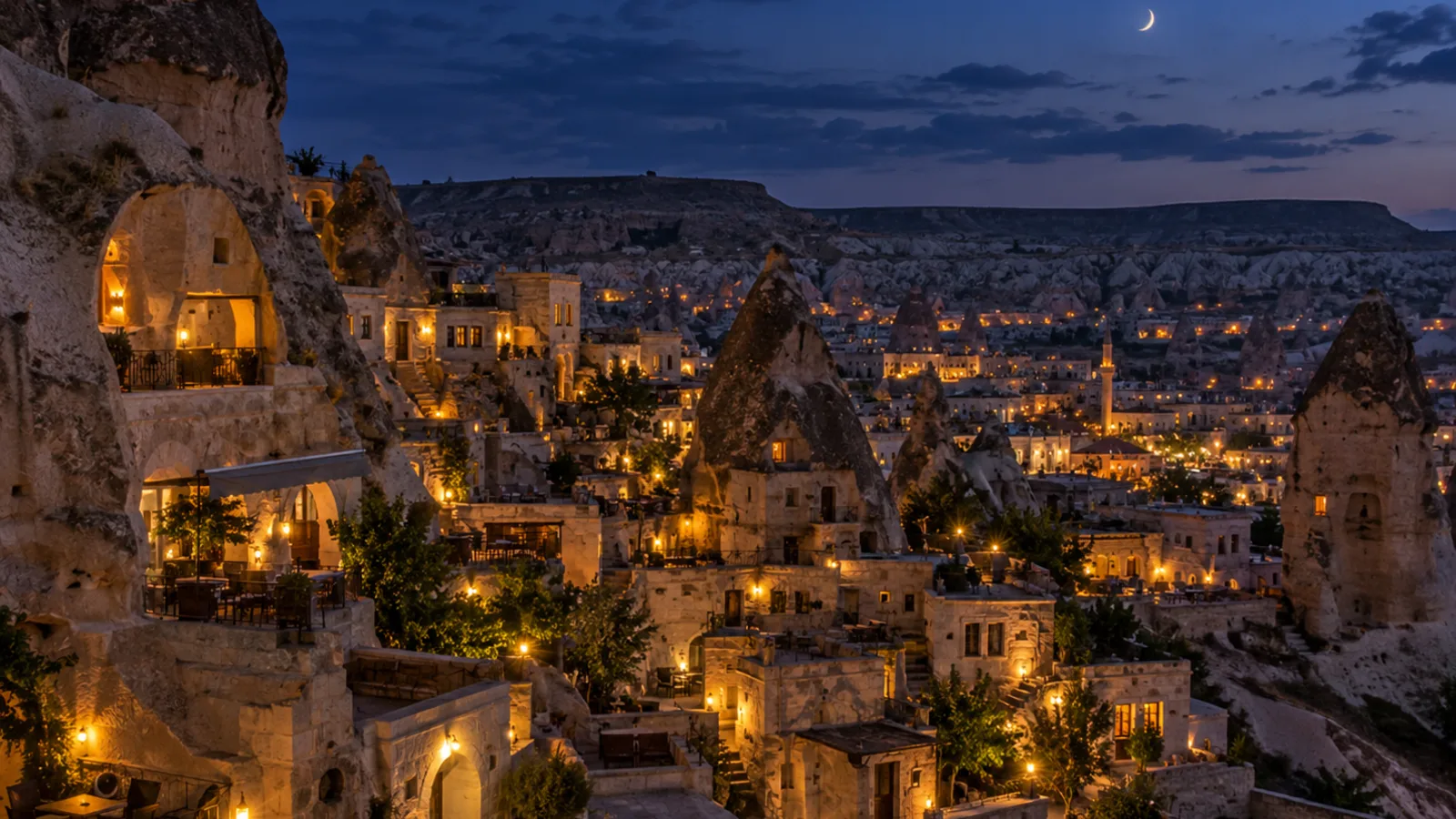
Cold weather changes the landscape completely. Snow is possible but never guaranteed, and cave hotels become a bigger part of the experience.
Explore CappadociaSelcuk & Ephesus
Winter can make the exposed archaeological site much easier to walk than summer, though rain and shorter daylight need planning.
Explore Ephesus & SelcukAntalya
Antalya is much milder than central Turkey and works well for Kaleici, Perge, Aspendos and city-based days. Treat beach swimming as a bonus, not the main plan.
Explore AntalyaIs Istanbul worth visiting in winter?
Yes, especially if your priority is history, food and neighbourhoods rather than long sunny days.
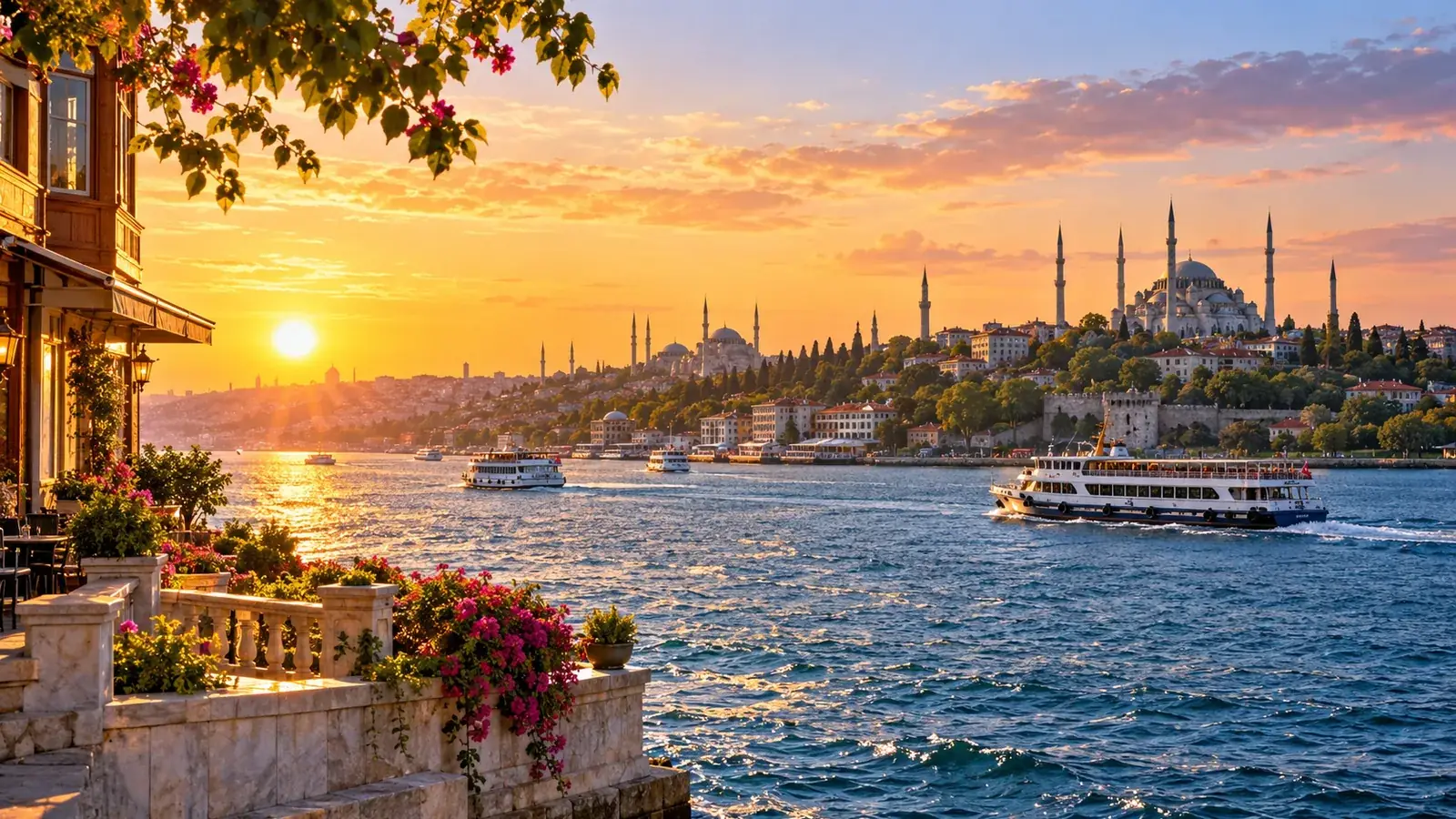
Winter gives Istanbul a slower rhythm. Major sights such as Topkapi Palace, Basilica Cistern, Hagia Sophia area and the Grand Bazaar still give you plenty to do when the weather is poor, while clear periods can be used for the Bosphorus, Galata, Karakoy, Kadikoy and waterfront walks.
January averages roughly 10°C by day and 4°C at night in long-period city data. Rain is common, the Bosphorus wind can make it feel colder, and occasional snow is possible. A waterproof outer layer and shoes with grip matter more than carrying an extremely heavy coat.
Winter daylight is shorter, so group sights by area rather than crossing the city several times in one day. Sultanahmet works well for one concentrated historic day, while another day can focus on Galata, Karakoy and the Bosphorus.
Cappadocia can be magical in winter, but flexibility matters more than ever.
Nevsehir's long-period January averages are around 4°C for daytime highs and -4°C for lows. December and February are slightly milder on average, but freezing mornings, ice, wind and snow are all realistic possibilities throughout winter.
Snow can transform Goreme, Uchisar and the valleys, but it is not guaranteed for your dates. Even without snow, the cold changes how you plan the day: shorter hikes, more time in underground cities and museums, slower meals and more value from a comfortable cave hotel.
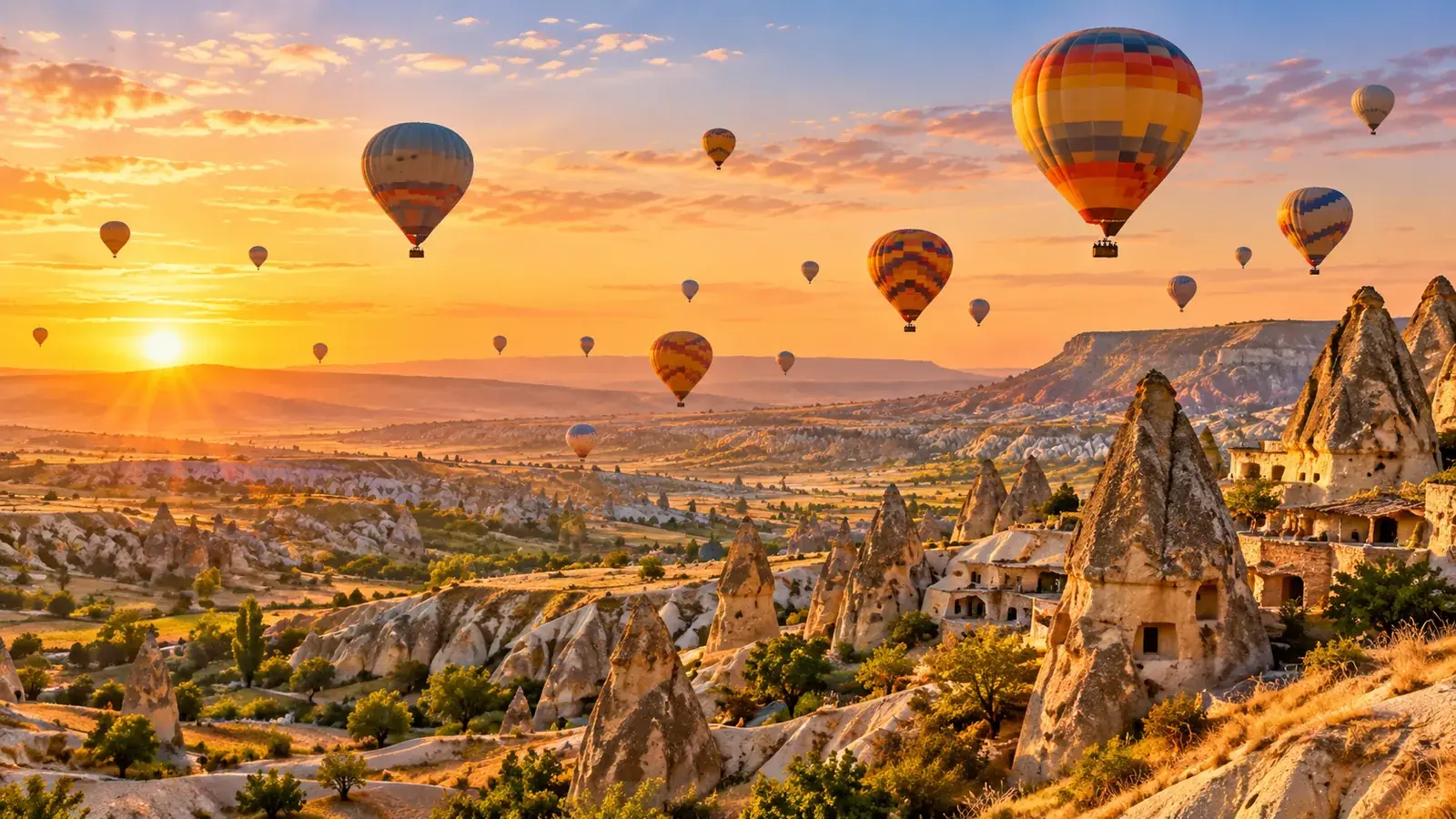
Hot-air balloons can operate in winter when conditions are suitable, but winter flights are never guaranteed. Commercial balloon operators must be authorized by Türkiye's Directorate General of Civil Aviation, and actual operating decisions depend on conditions such as wind, visibility and precipitation. If a balloon matters, book the first available morning and keep another morning free.
Are Ephesus and Pamukkale good in winter?
Yes. For many travellers, cooler weather makes the exposed sites more comfortable than summer.
January highs around Izmir/Ephesus average roughly 13°C, while Denizli/Pamukkale averages around 11°C. That is cool enough for a jacket but often much easier for walking than July or August.
The trade-off is rain. Ephesus has very little shelter over most of the archaeological route, so wet weather can change the experience quickly. Pamukkale can also feel much colder when wind moves across the open travertines. Waterproof shoes with good grip are useful at both places.
Winter also means shorter daylight. Start earlier if you want to combine Ephesus with Selcuk sights, or Pamukkale with a proper walk through Hierapolis rather than only seeing the travertines.
Antalya works better than a classic beach resort in winter.
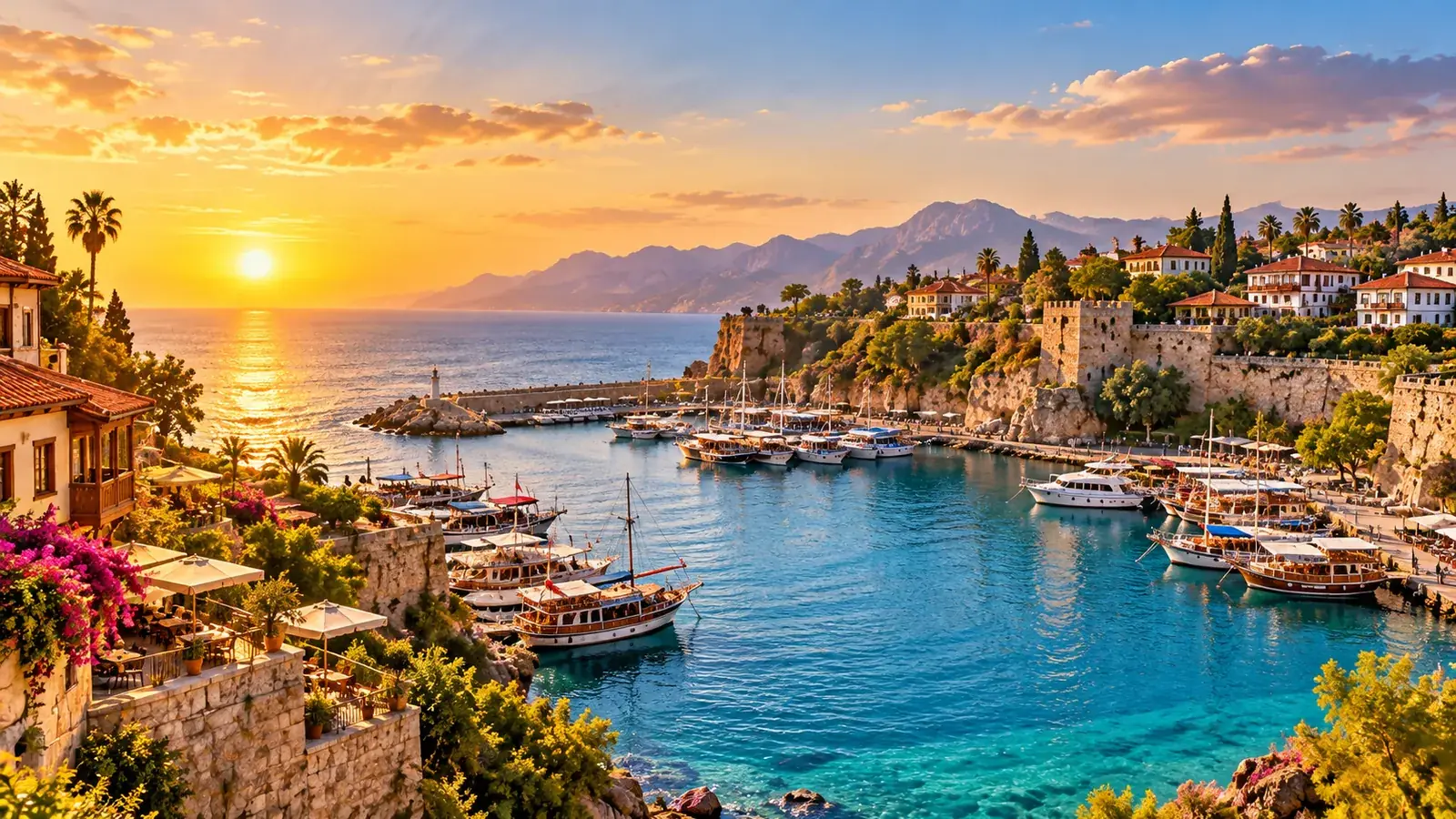
Antalya is the strongest major coastal base because it remains a real city throughout winter and has archaeology, restaurants and Old Town sightseeing even when the beach is not the main attraction. January highs average around 15°C.
But winter is also wet. Antalya's long-term rainfall is especially high in December and January. Plan city sights, Perge, Aspendos and indoor options around the forecast rather than expecting dry Mediterranean sunshine every day.
Bodrum, Marmaris and Fethiye can be peaceful and attractive, but they are much more seasonal. Some boat trips, beach businesses, restaurants and hotels reduce hours or close. Visit them in winter because you like quiet coastal towns, not because you expect the full summer resort experience.
Which winter month is best for Turkey?
The best month depends on whether you want festive city atmosphere, the deepest winter feel or slightly longer days.
December: festive atmosphere, short days
December can work well for Istanbul and Cappadocia if you do not mind early sunsets. Cappadocia averages around 6°C by day and below freezing at night. Around late December and New Year, some hotels and restaurants can be busier or more expensive than a normal winter week.
January: deepest winter, strongest chance of cold
January is the month to plan most seriously for freezing conditions in Cappadocia. It can also be one of the strongest low-season months for city and cultural trips. Keep road, flight and outdoor plans flexible when snow or storms are forecast.
February: still winter, slightly longer days
February remains cold inland, but daylight slowly improves. It can be a good choice if you want winter atmosphere without travelling during the Christmas/New Year period. Do not treat February as early spring in Cappadocia; average nights are still below freezing.
Who should visit Turkey in winter?
Winter is a strong choice for some travellers and a poor fit for others.
Culture-first travellers
If museums, archaeology, food and neighbourhoods matter more than beach time, winter can work very well.
Repeat visitors
Winter gives familiar places such as Istanbul and Cappadocia a different atmosphere from spring or summer.
Beach-first travellers
If swimming and boat days are your main goal, wait for late spring through early autumn.
Rigid outdoor itineraries
If every day depends on hiking, balloons, boat trips or long drives, winter weather can create too much uncertainty.
A practical winter Turkey itinerary
Keep the route simple and build in weather flexibility rather than trying to cover too many coastal resort towns.
| Trip length | Suggested route | Why it works in winter |
|---|---|---|
| 7 days | Istanbul 4 nights + Cappadocia 3 nights | Strong indoor backup options and only one major domestic transfer |
| 10 days | Istanbul 4 + Cappadocia 3 + Selcuk/Ephesus 3 | Adds archaeology without depending on beach weather |
| 14 days | Istanbul 4 + Cappadocia 4 + Selcuk/Ephesus 2 + Pamukkale 1 + Antalya 3 | Mixes city, winter landscape, archaeology and the mildest major coast |
For winter, fewer hotel changes usually make the trip easier. A route built around Istanbul, Cappadocia and one western or southern region gives you more room to move activities when the forecast changes.
Pack for wet Istanbul, freezing Cappadocia and mild-but-rainy Antalya.
One winter packing list needs to handle very different conditions. Use layers rather than one outfit for the whole country.
- Waterproof or water-resistant outer jacket
- Warm mid-layer or fleece
- Thermal base layers for Cappadocia
- Hat, gloves and warm socks
- Water-resistant walking shoes with good grip
- Compact umbrella for city days
- Sunglasses and sunscreen for bright clear days or snow
- Small day bag for removing or adding layers
If you have a Cappadocia sunrise pickup, dress for standing outside before daylight. That can feel much colder than the afternoon temperature shown in a weather app.
Common mistakes when visiting Turkey in winter
- Planning Turkey as one climate zone. Antalya and Cappadocia can differ by more than 10°C in daytime temperatures.
- Assuming snow is guaranteed in Cappadocia. It is possible and sometimes spectacular, but your dates may be cold and dry instead.
- Booking only one possible balloon morning. Winter weather can cancel flights; keep another morning available if the flight matters.
- Expecting a summer-style coast. Many resort experiences are seasonal and winter is often rainy.
- Overloading the route. Short daylight and weather disruptions make fast multi-stop travel more tiring.
- Ignoring footwear. Wet stone in Istanbul and ice or mud in Cappadocia make grip important.
Turkey in winter: frequently asked questions
Is Turkey worth visiting in winter?
Yes, especially for Istanbul, Cappadocia, Ephesus, Pamukkale and cultural travel. Winter is less suitable if your main goal is beaches, swimming and boat trips.
Does it snow in Turkey in winter?
Yes in many inland and higher areas, including Cappadocia, but snow is not guaranteed on specific dates. Istanbul can also receive snow, although rain is more common.
How cold is Cappadocia in winter?
January averages are roughly 4°C for daytime highs and -4°C for lows in Nevsehir. December and February are slightly milder on average, but freezing mornings remain common.
Do hot-air balloons fly in Cappadocia in winter?
They can fly when aviation conditions are suitable. Winter does not mean automatic cancellation, but no flight is guaranteed because wind, visibility, precipitation and other safety conditions are assessed for the actual morning.
Is Istanbul good in December, January or February?
Yes. Istanbul has enough indoor sights, food, markets and neighbourhood life to work well year-round. Winter days are shorter and wetter, so plan geographically and keep indoor alternatives.
Can you swim in Antalya in winter?
Some people do on mild days, but winter is not dependable beach weather. Air temperatures are much milder than Cappadocia, yet rain is common and the sea is cooler.
Is Turkey cheaper in winter?
Often, but not everywhere and not every week. Some city and hotel prices soften outside peak season, while New Year periods or limited seasonal inventory can change prices. Compare your exact dates.
What is the best winter route in Turkey?
For a first winter trip, Istanbul and Cappadocia are the strongest core. With more time, add Ephesus, Pamukkale or Antalya rather than several seasonal beach resorts.
Compare winter with Turkey's shoulder seasons.
Use these guides to decide whether winter's quieter atmosphere is worth the weather trade-offs for your trip.
Climate figures use official Turkish State Meteorological Service long-period statistics for Istanbul, Nevsehir, Izmir, Denizli, Mugla and Antalya and are rounded for travel planning. Weather varies by year, so check current forecasts and local operating information shortly before travel.