
Best Time to Visit Turkey Without Crowds
Choose quieter months for Istanbul, Cappadocia, Ephesus, Pamukkale and the coast without giving up the weather that makes each place enjoyable.
For fewer crowds and good sightseeing weather, target late April to mid-May or late October into November.
If avoiding crowds matters more than beach heat, the strongest balance is usually late April to mid-May and late October into November. July and August are the busiest summer period in many Turkish destinations. September and early October have excellent weather, but Istanbul and Cappadocia can still feel busy because they remain highly popular.
For the quietest possible city and archaeological sightseeing, winter brings much lower demand, but you trade smaller crowds for cold, rain, short days and less beach appeal. There is no single month when famous places such as Sultanahmet or Goreme suddenly become empty.
Which months feel quieter in Turkey?
Turkey has several travel seasons. A month that feels quiet on the coast can still be busy in Istanbul, and Cappadocia has its own demand pattern.
| Period | Typical crowd feel | Weather trade-off | Best use |
|---|---|---|---|
| January–February | Low in many sightseeing areas | Cold, wet or snowy depending on region | Istanbul museums, Ephesus, quiet city breaks |
| March | Low to moderate | Changeable spring weather | Early-season cultural trips |
| Late April–mid May | Moderate | Mild; some spring rain | Best overall balance |
| June | Rising | Warm to hot | Beach + sightseeing before peak heat |
| July–August | High | Hot inland; peak beach season | Beach-focused trips |
| September | Moderate to high | Warm, excellent weather | Weather-first trips, not true low-crowd travel |
| Early October | Moderate to high at major sights | Mild to warm | Comfortable sightseeing |
| Late October–November | Lower in many regions | Cooler, more rain risk | Best autumn crowd/weather compromise |
| December | Lower outside festive dates | Cold and shorter days | City culture and winter atmosphere |
Do not read this as a promise of empty attractions. Istanbul is a major world city, Cappadocia is internationally popular, and cruise calls can create sudden busy periods around Ephesus even outside July and August.
Does shoulder season always mean a quiet Istanbul?
No. Official visitor data shows why travellers should combine month choice with smart time-of-day planning.
Istanbul's Provincial Directorate of Culture and Tourism publishes foreign-arrival statistics by month. The most recent complete calendar year available for easy month-to-month comparison is 2025. Those figures show that July was very busy, but October was also strong. That means pleasant autumn weather does not automatically turn Istanbul into a low-crowd destination.
| 2025 month | Foreign visitors entering Istanbul | Planning lesson |
|---|---|---|
| January | about 1.27 million | Quieter, but colder and wetter |
| April | about 1.58 million | Good spring compromise |
| July | about 1.88 million | Peak-summer pressure |
| October | about 1.86 million | Great weather can still mean high demand |
| November | about 1.46 million | Noticeably better crowd-weather compromise |
These are city-level foreign arrivals, not a direct measurement of the queue at Hagia Sophia, Topkapi Palace or the Basilica Cistern. They are still useful because they show that November can be a better crowd-reduction month than October if you are comfortable with cooler conditions.
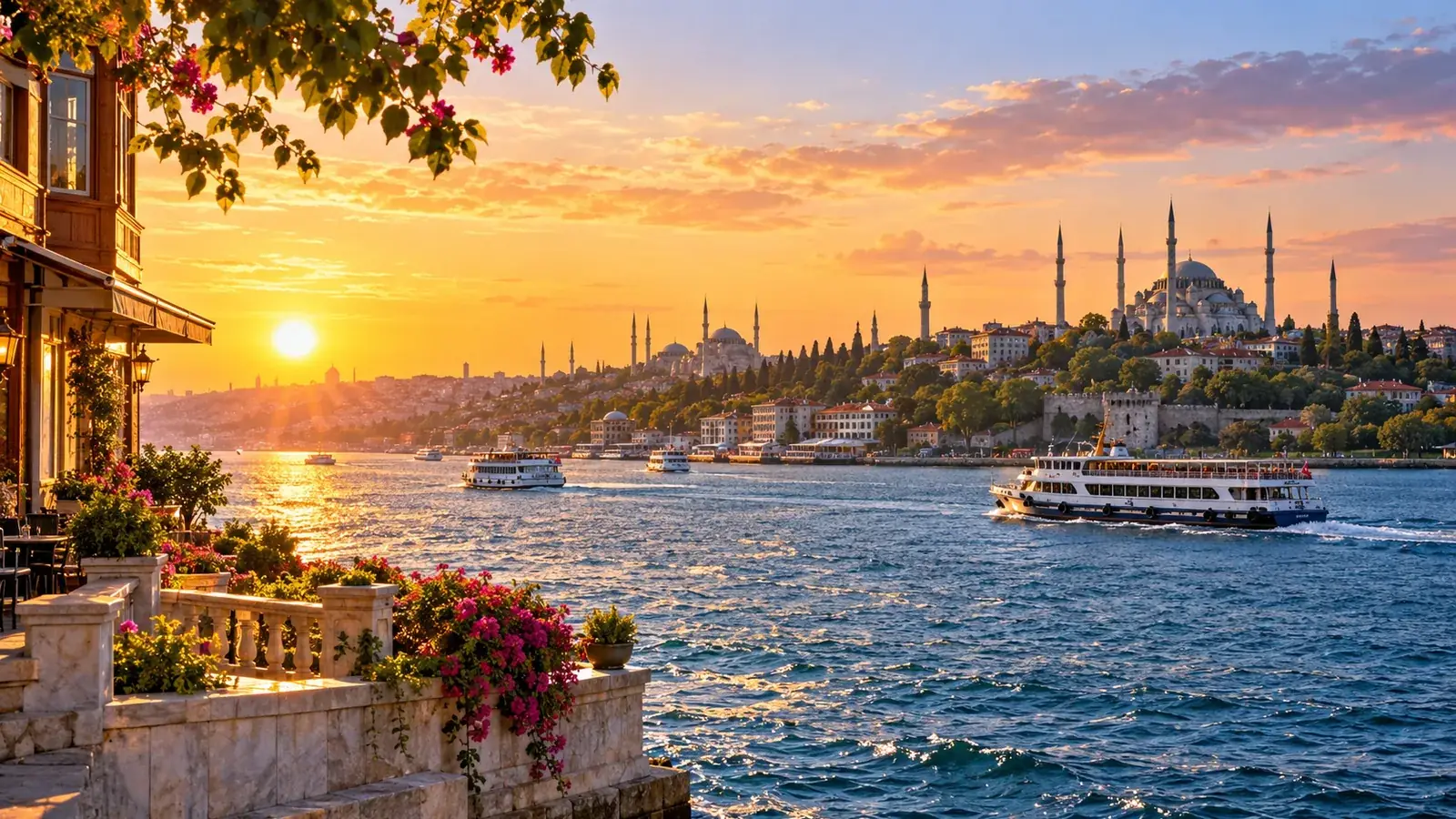
When should you visit Turkey's main stops for fewer crowds?
The best low-crowd timing changes by destination, especially between cities, ancient sites, Cappadocia and the coast.
Istanbul
For noticeably lighter demand, November through February is stronger than September or October. If you want milder weather, late April and early May are useful compromises, but popular places in Sultanahmet will still be busy. Visit major sights at opening time, take a Bosphorus ferry outside weekend afternoons, and explore neighbourhoods such as Balat, Kadikoy or Besiktas after the headline monuments.
Cappadocia
Cappadocia's comfortable spring and autumn weather also attracts visitors, so September and early October are not reliably quiet. For a calmer feel, consider March, late November or winter if you are prepared for colder conditions. Late April and May offer a better weather compromise but remain popular. If a balloon flight is essential, stay several nights because poor conditions can cancel flights in any season.

Selcuk and Ephesus
Ephesus is exposed, so July and August combine crowds with strong heat. April, May, late October and November are more comfortable for long walks. Cruise schedules can create sudden midday surges, so entering close to opening time is often more important than choosing between two shoulder-season weeks.
Pamukkale
Pamukkale is another place where midday can feel crowded because many visitors arrive on day tours. Spring and late autumn are better for comfort than peak summer. If you stay overnight in Pamukkale village, you can plan your visit around the busiest day-trip hours rather than arriving with them.
Bodrum, Marmaris, Fethiye and Antalya
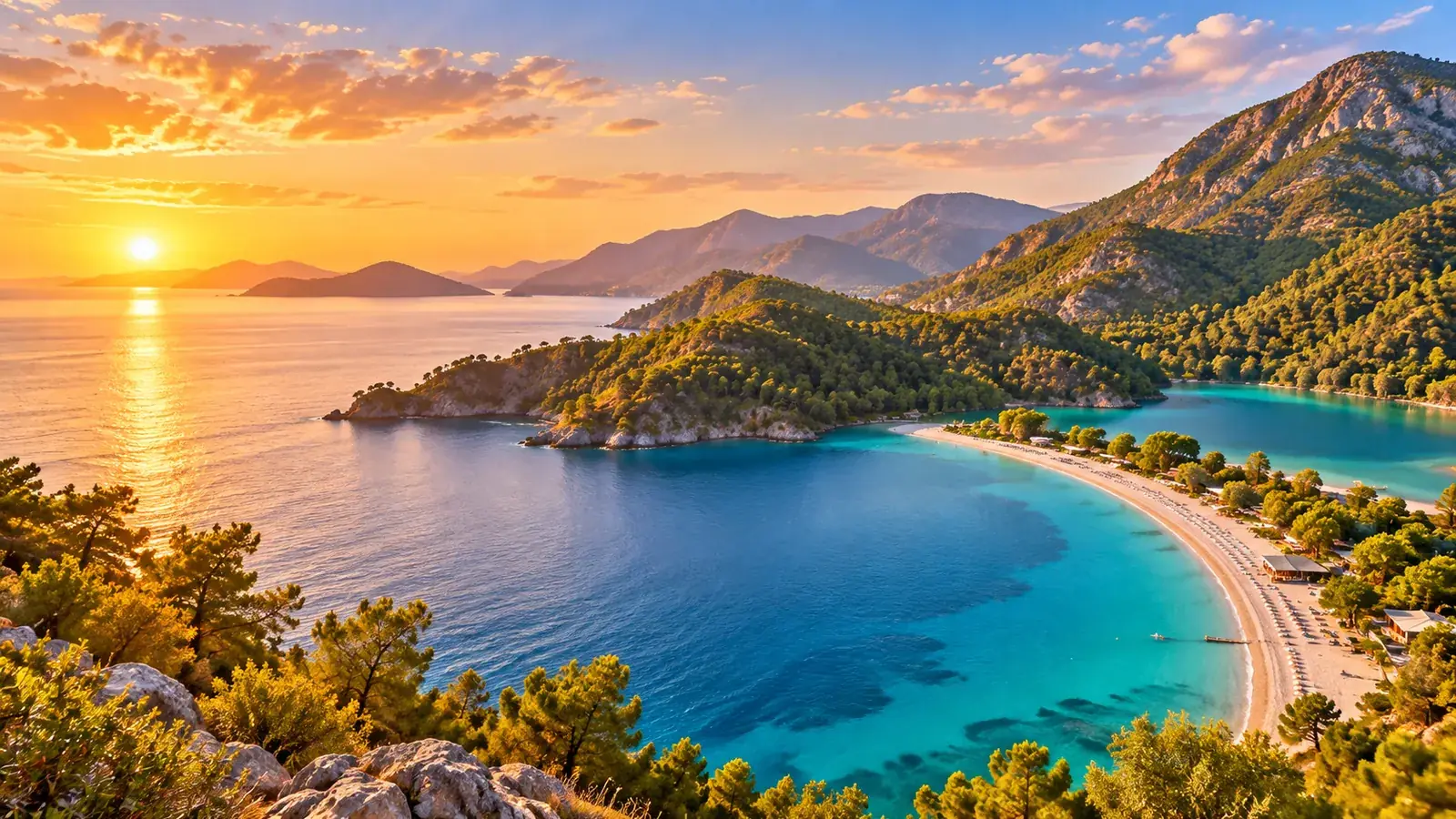
The coast has the clearest seasonal crowd pattern. July and August are peak beach months. May and October are strong choices if you want warm or mild weather with fewer holiday crowds. September has excellent sea conditions but can still be popular. Antalya generally holds warm weather later into autumn than the northern Aegean.
How can you avoid crowds even in a popular month?
Changing the hour you visit can make a bigger difference than moving your trip by one week.
Go at opening time
Major archaeological sites and museums are usually easiest before large tour groups build up. This is especially useful at Ephesus, Pamukkale and Istanbul's Old City.
Sleep near the attraction
Staying in Selcuk instead of arriving from a distant resort, or staying in Pamukkale rather than doing a long day trip, lets you enter earlier and leave before the busiest middle of the day.
Use weekdays for headline sights
Weekends can add domestic visitors to already popular locations. Put the most famous museums, palaces and viewpoints on weekdays when possible.
Move lunch away from the busiest streets
In Istanbul, walk a few streets away from the highest-traffic squares. In Goreme, eat outside the main sunrise and dinner rush. Small timing changes can improve the experience without changing your itinerary.
Start Cappadocia valley walks early
Many travellers focus on the balloon and then begin sightseeing at similar times. An early valley walk or an afternoon underground-city visit can spread your day away from the same group schedule.
Which dates can suddenly make a quiet month busy?
Domestic holidays, commemorations and events can change crowd levels even when the month normally looks good.
- Religious holiday periods: dates move each year and can increase domestic travel, especially on intercity routes and in resorts.
- National holidays: central squares, transport and popular family attractions can be busier.
- Gallipoli around 25 April: Anzac Day brings a major concentration of visitors to the Gallipoli Peninsula and Canakkale area.
- School holiday periods: coastal resorts are especially affected during summer.
- Large conferences, festivals and sporting events: these can raise hotel demand in Istanbul, Antalya and other major cities.
- Cruise days near Ephesus: Kusadasi ship arrivals can create busy blocks at Ephesus even in shoulder season.
Before booking a supposedly quiet week, check the current Turkish public-holiday calendar and major local events for your exact dates.
Which Turkey route works best outside peak season?
Choose a route that matches what is still enjoyable in your quieter travel window.
| Travel period | Strong route | Why it works |
|---|---|---|
| Late April–mid May | Istanbul → Cappadocia → Selcuk/Ephesus → Pamukkale | Mild sightseeing weather before summer heat |
| May | Istanbul → Cappadocia → Fethiye/Antalya | Good sightseeing with coast starting to warm |
| Late October | Istanbul → Cappadocia → Ephesus → Antalya | Cooler walking weather, warmest coast at the end |
| November | Istanbul → Cappadocia → Ephesus | Lower crowds; best for culture rather than beach time |
| January–February | Istanbul + Ephesus, optional winter Cappadocia | Quiet sightseeing with winter-weather trade-offs |
If you want beach time as well as lower crowds, May and October are much easier than deep winter. If ancient sites and city culture matter more than swimming, November can be one of the most useful compromises.
Which low-crowd period should you actually book?
Match the dates to what you are willing to trade for fewer people.
Late April to mid-May
Choose this for mild sightseeing, spring scenery and lower pressure than peak summer, while accepting occasional rain and still-busy headline sights.
Late October to November
Choose this if smaller crowds matter more than warm evenings. November is especially useful for Istanbul and ancient-site travel.
May or October
Choose these for Bodrum, Marmaris, Fethiye or Antalya without the strongest July–August resort crowds.
January–February
Choose winter for lower visitor pressure in cities and ancient sites, but expect cold, wet or snowy conditions depending on the region.
Mistakes to avoid when planning a quieter Turkey trip
Lower-crowd travel works best when you understand what shoulder season can and cannot do.
- Assuming September is low season. The weather is excellent, so Istanbul, Cappadocia and the coast can still be very popular.
- Assuming all of October is quiet. Istanbul can remain busy well into autumn.
- Choosing winter only for low prices. Short days, rain, snow and reduced beach appeal can change the trip.
- Ignoring public holidays. Domestic travel can make an otherwise quiet week busy.
- Arriving at Ephesus or Pamukkale at midday. Tour groups often concentrate in the same hours.
- Booking too few Cappadocia nights. Quieter winter months can also have more weather disruption.
- Expecting famous sights to be empty. Use early starts and weekdays as well as shoulder-season dates.
Visiting Turkey without crowds: common questions
Quick answers for travellers who value a calmer trip.
What is the best time to visit Turkey without crowds?
For the best balance of weather and smaller crowds, consider late April to mid-May or late October into November. Winter is quieter still, but weather is colder and less suitable for beach trips.
Is September quiet in Turkey?
Not necessarily. September has excellent weather and remains popular in Istanbul, Cappadocia and coastal resorts. It is usually calmer than peak summer in some beach destinations, but it is not a true low-crowd month everywhere.
Is October less crowded in Turkey?
It can be, especially later in the month and on the coast. Istanbul can still be very busy in October, so late October and November are better choices if crowd reduction is your main goal.
What is the quietest month in Istanbul?
January and February are generally among the quieter periods for international leisure travel, but the city never becomes empty. Expect colder, wetter weather and shorter daylight hours.
When is Cappadocia least crowded?
Winter and parts of March or late November can feel calmer than the main spring, summer and early-autumn periods. The trade-off is colder weather and a greater need for flexible balloon planning.
When should I visit Ephesus to avoid crowds?
Choose spring or late autumn and arrive close to opening time. Cruise schedules from Kusadasi can create busy midday periods even outside summer.
When is the Turkish coast quieter but still pleasant?
May and October are strong choices for Bodrum, Marmaris, Fethiye and Antalya. September is warmer for swimming but usually more popular.
Is winter a good time to visit Turkey?
Yes for city culture, museums and quieter archaeological sites if you accept cold and wet weather. Cappadocia can be beautiful in snow, but outdoor plans and balloon flights need more flexibility.
Choose the right month for your exact route.
Use these related guides to balance crowds with weather, Cappadocia and trip length.
Visitor-volume context on this page uses 2025 foreign-arrival statistics published by the Istanbul Provincial Directorate of Culture and Tourism. Arrival totals describe city-level visitor volume, not queue length at a specific attraction. Seasonal guidance was reviewed on 28 September 2026.