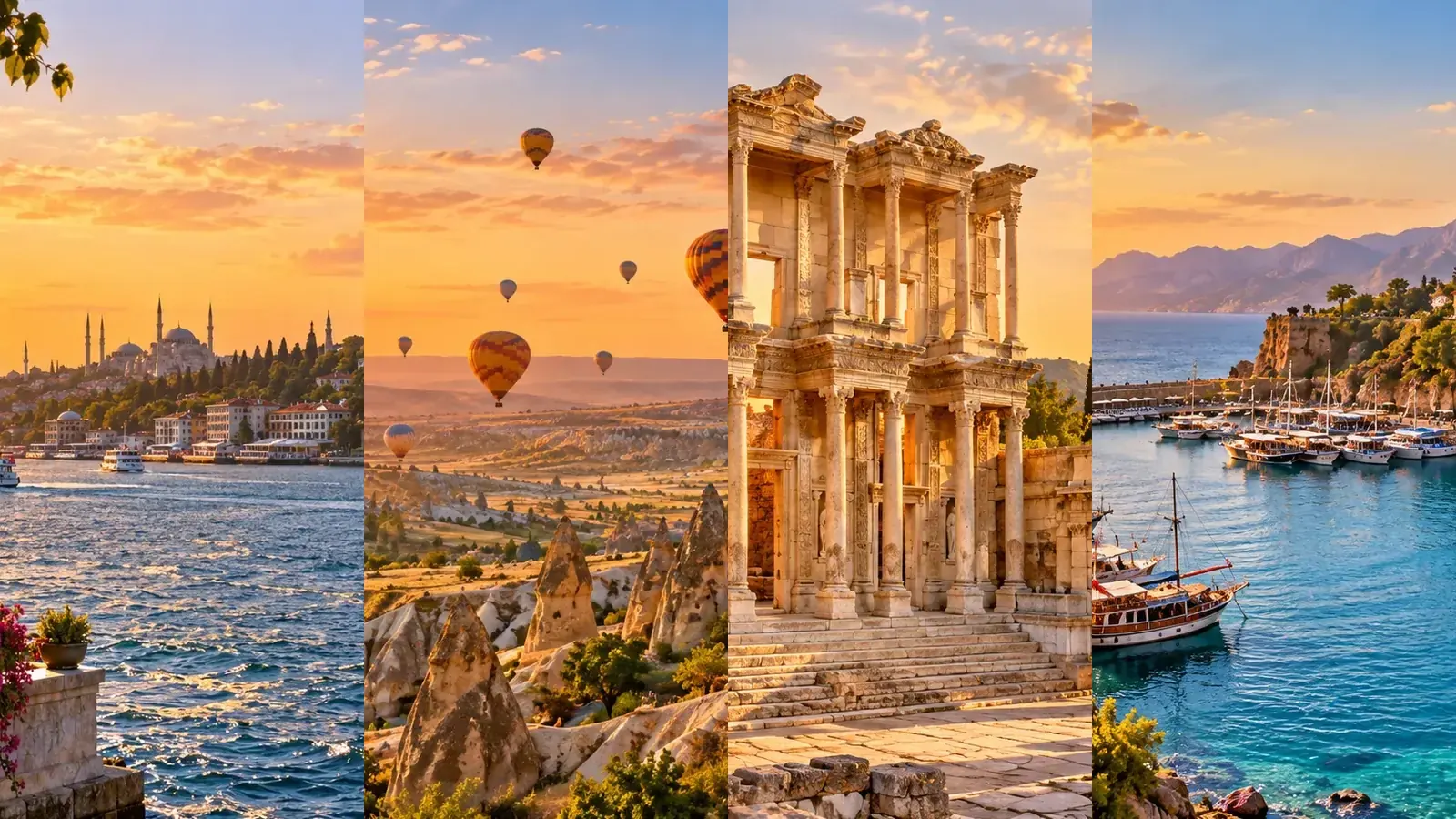
Turkey in November: Weather and Where to Go
Plan a November trip to Turkey with realistic regional temperatures, rain and cold-weather trade-offs, Cappadocia advice, quieter sightseeing and the best places to visit.
Is November a good time to visit Turkey?
Yes, especially if your priority is culture, archaeology, lower crowds and a slower trip rather than a classic beach holiday. November is a transition month. Istanbul is cool and changeable, Cappadocia can have cold mornings and the first wintry conditions, Ephesus and Pamukkale are much easier to walk than in summer, while Antalya and the southwest coast remain milder but become wetter.
The main advantage is pace. Popular sites feel less pressured, midday sightseeing is comfortable on many days, and hotel choice can improve outside school holidays and major events. The trade-off is uncertainty: rain matters more, daylight is shorter, some coastal businesses reduce hours, and Cappadocia balloon flights still depend entirely on safe wind and aviation approval.
What is the weather like in Turkey in November?
Turkey is large enough that November feels very different between Istanbul, Cappadocia, the Aegean and the Mediterranean.
| Area | Typical November day | Typical night | What it means for travellers |
|---|---|---|---|
| Istanbul | Average high about 16.1°C | Average low about 9.9°C | Good walking weather with a jacket; keep indoor options for rain. |
| Cappadocia / Nevsehir | Average high about 11.8°C | Average low about 2.5°C | Cold sunrise conditions; frost and occasional wintry weather are possible. |
| Izmir / Aegean | Average high about 18.8°C | Average low about 10.9°C | Comfortable for Ephesus and city sightseeing, with more rain than October. |
| Antalya | Average high about 21.6°C | Average low about 10.7°C | Mildest big-city option, but rain becomes a real planning factor. |
These are official long-term climate averages from the Turkish State Meteorological Service, not a forecast for a particular trip. Actual November weather can be warmer, colder, wetter or windier.
Best places to visit in Turkey in November
November rewards destinations where history, food and scenery still work when the weather changes.
What is Istanbul like in November?
November is a good Istanbul month for travellers who prefer atmosphere and lower crowds over long sunny days.
Istanbul's long-term November average is about 12.6°C, with an average high near 16.1°C and an average low around 9.9°C. That usually means a light-to-medium jacket by day and a warmer layer after sunset. Wind off the Bosphorus can make the same temperature feel colder.
For a first visit, keep the main sights but change the rhythm. Start with Sultanahmet when the forecast is driest, then use Topkapi Palace, archaeological museums, the Grand Bazaar or a long lunch when rain moves in. Ferries remain one of the best ways to experience the city, but a wet or windy day can change how comfortable the upper deck feels.
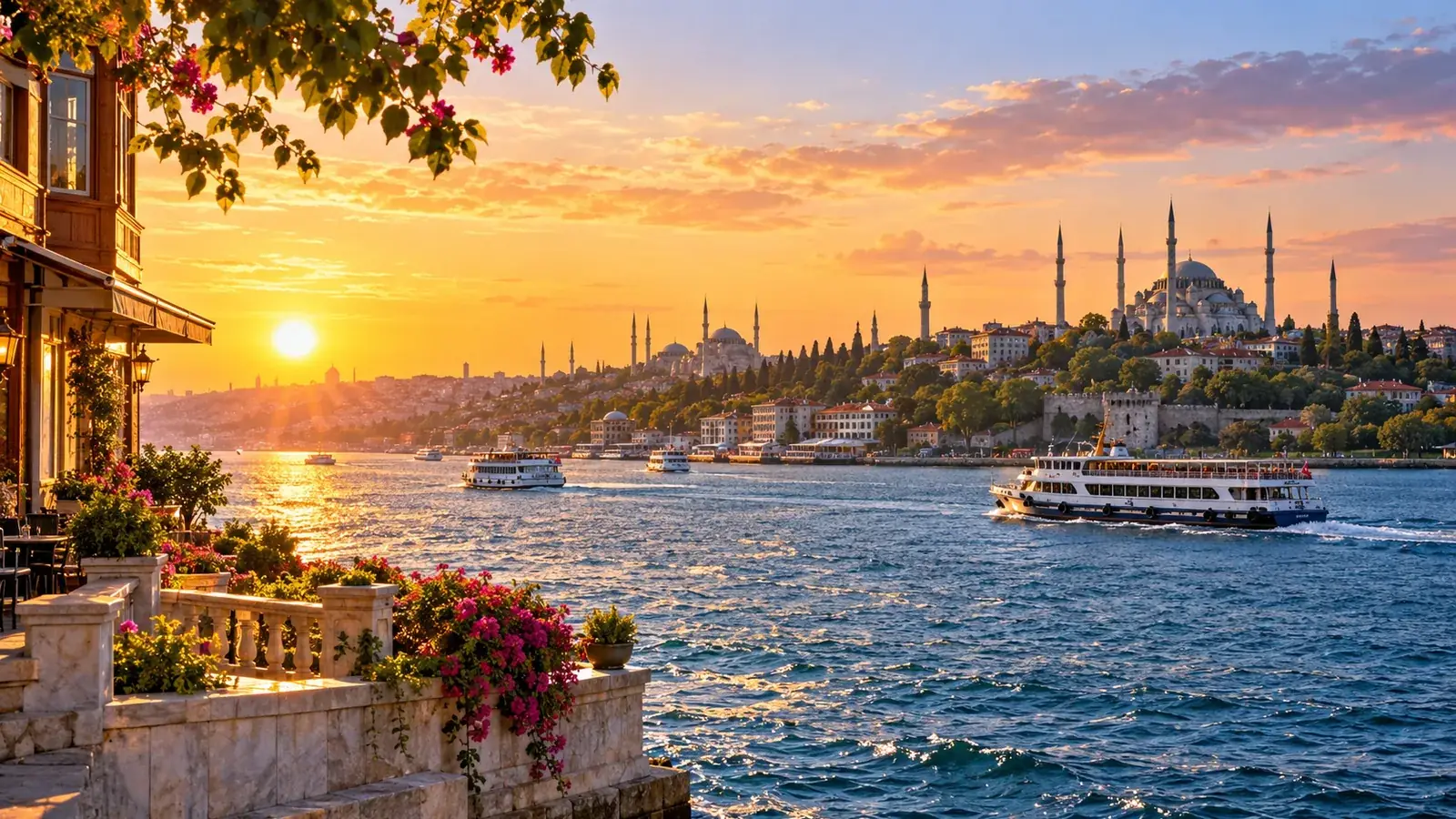
If this is your first Istanbul trip, use our 3 day Istanbul itinerary as the sightseeing base, but leave extra space between outdoor stops. Shorter daylight means it is better to protect two or three priorities each day than to race through a summer-sized checklist.
Is Cappadocia worth visiting in November?
Yes, if you are comfortable with cold mornings and can keep your balloon plans flexible.
Cappadocia changes quickly in November. Official Nevsehir climate data gives an average high around 11.8°C and an average low around 2.5°C. Frost is possible, and historical records show that much colder November conditions can occur. Sunrise viewpoints and balloon pickup times therefore require genuinely warm layers, not just a thin summer jacket.
The reward is atmosphere. Valleys can be quiet, the low sun gives the rock formations strong texture, and cave hotels feel more appropriate once the evenings turn cold. Hiking is often comfortable around late morning and early afternoon when conditions are dry, but a wet or icy trail should change the plan.
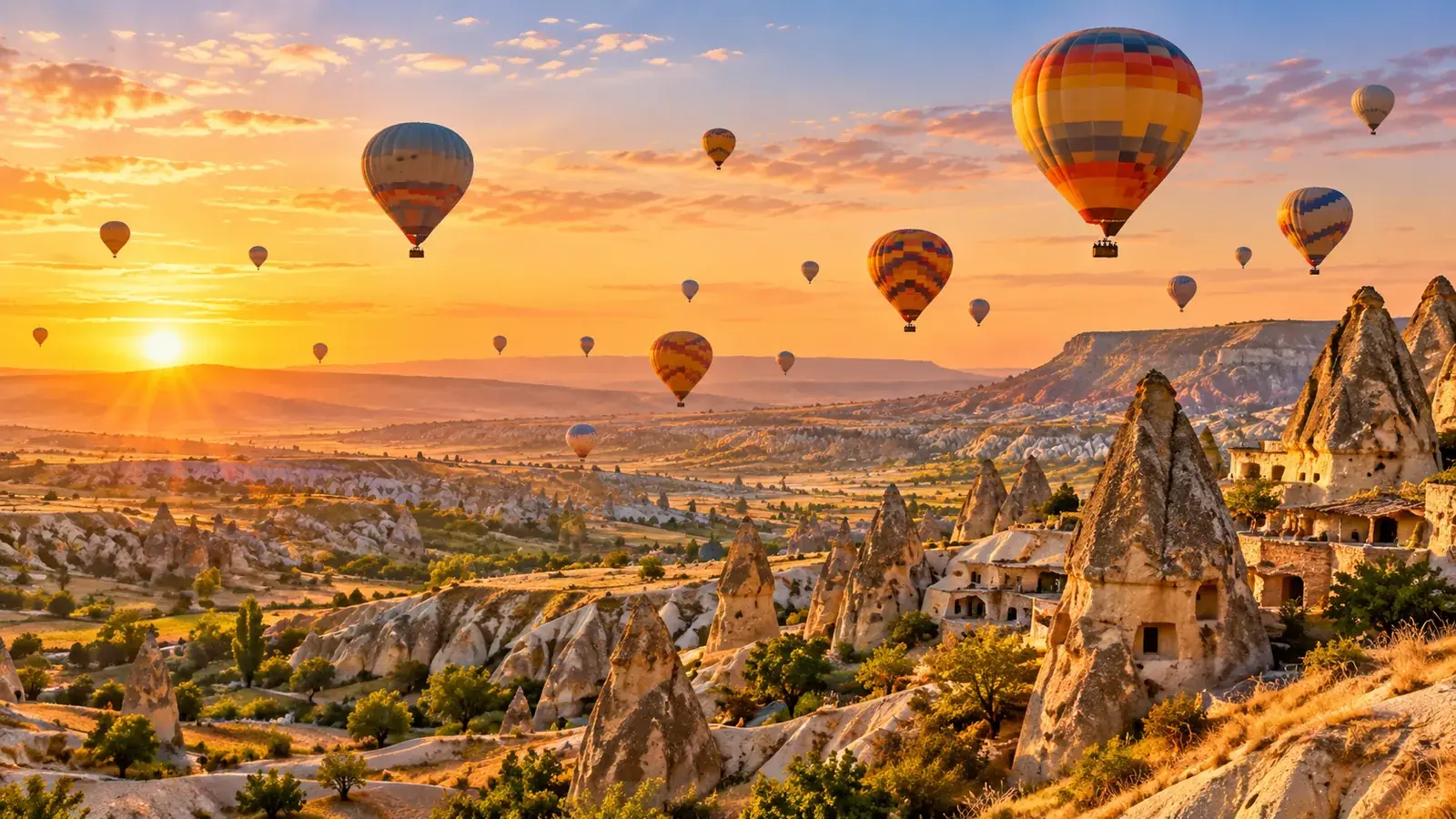
Hot-air balloons do not operate because a month is normally good or bad. Flights depend on the actual wind and safety decision each morning. If a balloon flight matters to you, stay at least two or three mornings rather than scheduling one night and assuming the weather will cooperate.
Keep indoor and sheltered alternatives ready: Goreme Open Air Museum, Kaymakli or Derinkuyu underground city, a pottery workshop in Avanos, a long lunch, a hammam or time at the cave hotel. November works best when you are willing to move outdoor plans around the weather.
November can be one of the easiest months for Ephesus and Pamukkale.
You trade summer heat for a higher chance of rain, which is usually a good exchange for archaeology-focused travellers.
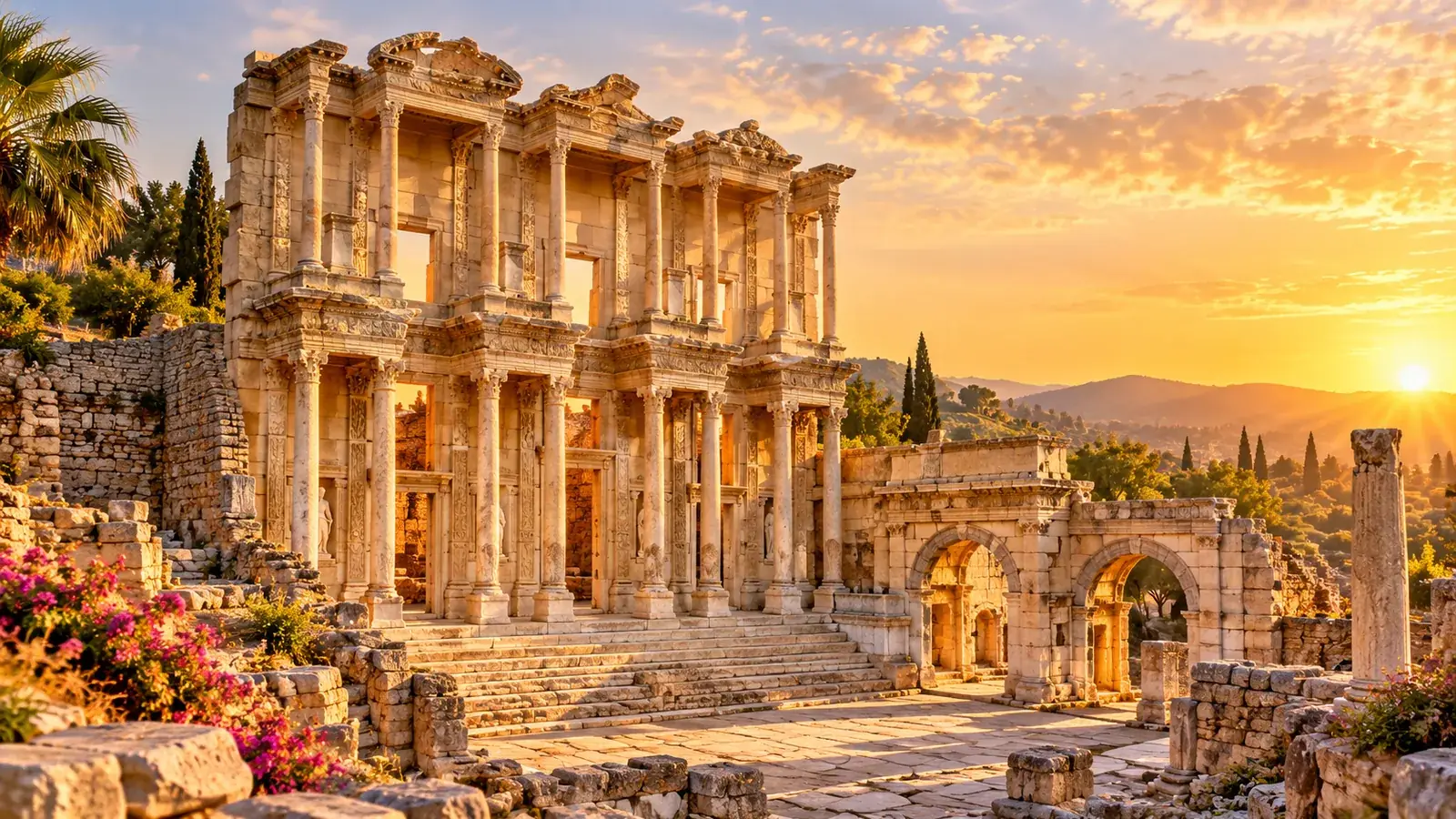
Ephesus is highly exposed, so the cooler November air makes the long walk much more manageable than July or August. You can spend more time looking at the Library of Celsus, Terrace Houses and theatre without planning the entire visit around shade. The main practical risk is wet stone, so shoes with reliable grip matter.
Pamukkale is also easier to explore without summer heat. The white travertines, Hierapolis ruins and museum still justify the stop, but do not build the day around sunbathing or a hot-weather pool experience. Bring a spare pair of socks because the required barefoot travertine sections can leave your feet cold once you put shoes back on.
If you are travelling overland, Ephesus and Pamukkale fit well between Istanbul or Cappadocia and the southwest coast. Our Ephesus to Pamukkale transport guide helps connect the two without adding unnecessary backtracking.
Can you visit Antalya, Fethiye, Marmaris or Bodrum in November?
Yes, but think of November as mild coastal touring rather than dependable beach season.
Antalya has the strongest weather case. Its long-term November average high is around 21.6°C, so pleasant outdoor afternoons are possible. However, official climate data also shows rain increasing sharply compared with early autumn. A week can include beautiful clear days and a serious wet spell, which is why a flexible plan matters.
Fethiye, Marmaris and Bodrum can still be attractive for waterfront walks, marina views, food, archaeology and road trips. Some travellers may swim on warm calm days, especially early in the month, but it should be treated as optional. Seasonal boat schedules, beach clubs and tourist businesses can reduce service as winter approaches.
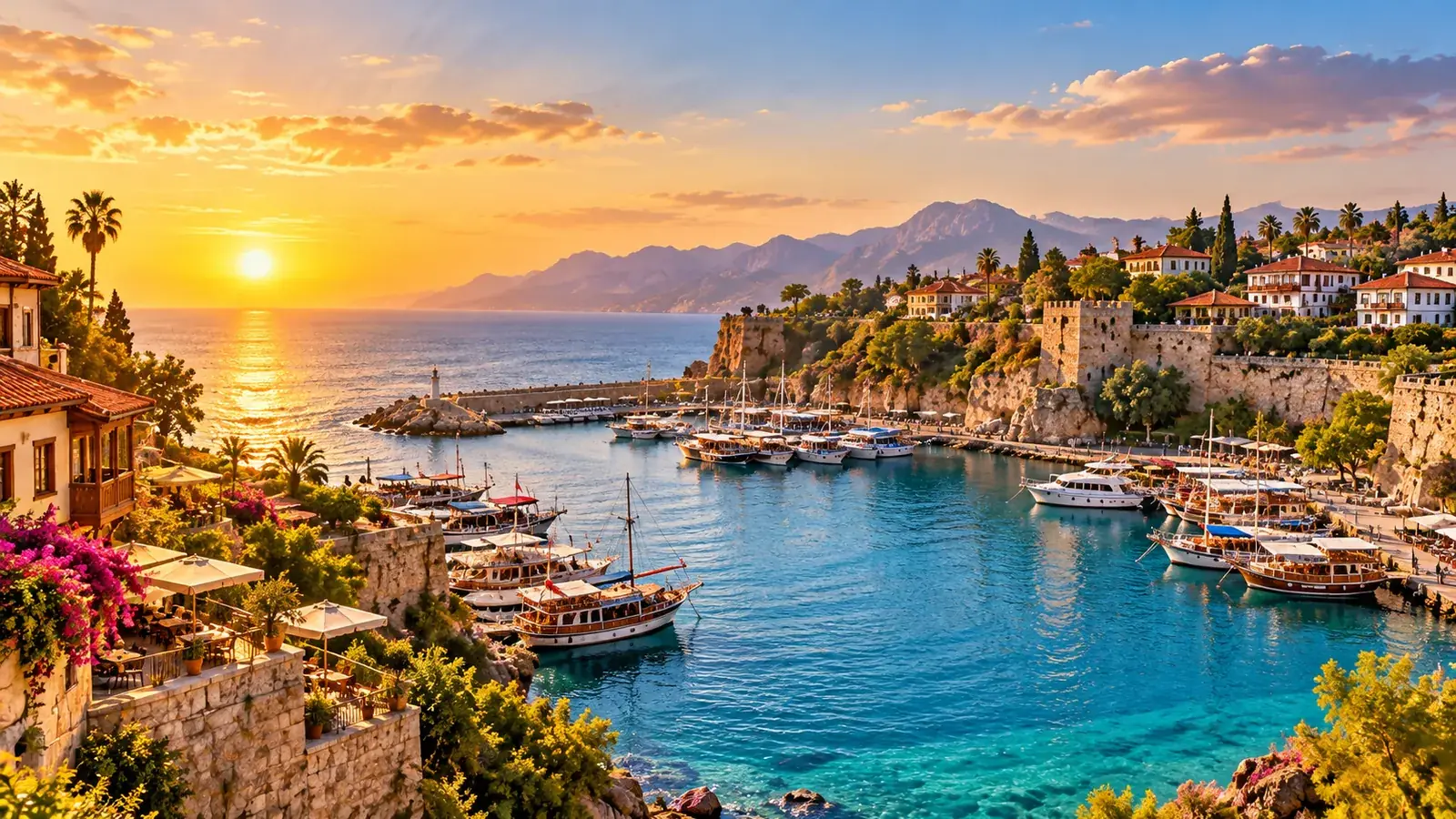
If your main reason for visiting Turkey is swimming and boat trips, September is a much safer choice. If you want Kaleici, Perge, Aspendos, museums, waterfalls and relaxed meals without summer heat, November can be very comfortable.
Early November vs late November in Turkey
The month is not uniform. Conditions usually move noticeably toward winter as November progresses.
Early November: the Aegean and Mediterranean are more likely to retain autumn warmth. Outdoor lunches and coastal days can still feel gentle, while Istanbul is cool rather than truly wintry. This is usually the better half of the month for combining culture with a little coast time.
Mid-November: expect larger day-to-day variation. A bright 20°C afternoon on the south coast can be followed by rain, while Cappadocia mornings may already be close to freezing. This is where flexible hotel and transport planning becomes valuable.
Late November: plan more like early winter. Daylight is shorter, Cappadocia is colder, rain can affect western and southern regions, and seasonal coastal operations reduce further. The upside is quieter sightseeing and a stronger chance of low-season value.
Which Turkey route works best in November?
November itineraries should be compact enough to handle weather changes without turning every day into a transfer day.
What should you wear in Turkey in November?
Pack layers because one suitcase may need to handle mild Antalya afternoons and near-freezing Cappadocia mornings.
Bring a waterproof or water-resistant outer layer, a medium-weight jacket, sweaters or fleece, long trousers, comfortable closed walking shoes and an umbrella or compact rain shell. A scarf and light gloves are useful for Cappadocia sunrise, especially later in the month.
For Istanbul, footwear matters more than heavy winter clothing on most days. Cobblestones and polished historic surfaces can become slippery in rain. For Cappadocia, add warmer socks and a proper insulated layer. For Antalya, use layers you can remove when the sun comes out.
Do not pack only for average temperatures. Wind, rain and altitude change how November feels. It is easier to remove one layer in Antalya than to discover at 05:30 in Cappadocia that your only jacket is too light.
Is November cheaper and quieter in Turkey?
Often yes, but not every hotel, flight or event follows the same seasonal pattern.
November is outside the main summer and early-autumn peak for most of the route covered by Going2Turkey. That generally means fewer tour groups at ancient sites, more breathing room in Cappadocia and less pressure on coastal accommodation. Istanbul remains a major year-round city, so popular weekends and events can still raise demand.
Lower crowds do not mean everything is open on a summer timetable. On the coast, some seasonal businesses close or reduce frequency. Always check the current operating hours for boat trips, beach businesses, attractions and local transport that matter to your itinerary.
For value, compare the total trip rather than hotel price alone. A cheap coast hotel is not useful if the activities you wanted have stopped for the season. November gives the best value to travellers whose priorities are history, food, city life, scenery and relaxed sightseeing.
November travel mistakes to avoid
Most November problems come from packing for one region or assuming autumn conditions are the same across Turkey.
- Expecting summer beach conditions. Warm sunny days happen, but November is not a guaranteed swimming holiday.
- Bringing one light jacket for the whole trip. Cappadocia sunrise can feel dramatically colder than Antalya afternoon.
- Giving Cappadocia only one balloon morning. Weather cancellations can happen in any month.
- Ignoring rain in Antalya and the Aegean. November is much wetter than early autumn in the southwest.
- Overfilling short daylight hours. Protect your highest-priority outdoor sights earlier in the day.
- Assuming every coastal business runs year-round. Check current hours and seasonal schedules.
- Using climate averages as a forecast. Check the actual forecast shortly before each destination.
Turkey in November: weather and travel questions
Short answers for planning a late-autumn Turkey trip.
Is November a good time to visit Turkey?
Yes, especially for Istanbul, Cappadocia, Ephesus, Pamukkale and cultural travel. It is less suitable if your main goal is guaranteed beach weather.
How cold is Turkey in November?
It depends on the region. Istanbul averages highs around 16.1°C, Nevsehir around 11.8°C, Izmir around 18.8°C and Antalya around 21.6°C. Cappadocia nights can be close to freezing.
Does it rain a lot in Turkey in November?
Rain becomes more important in western and southern Turkey. Antalya's official long-term average is about 8.5 rainy days in November, while Izmir averages about 9 rainy days.
Can you swim in Antalya in November?
Some travellers swim on warm calm days, particularly early in the month, but November should not be planned as a guaranteed beach holiday.
Does it snow in Cappadocia in November?
Snow is possible, especially later in the month, but it is not guaranteed. Frost and cold sunrise temperatures are more reliable planning assumptions.
Do Cappadocia balloons fly in November?
They can fly when conditions are safe. November does not automatically stop balloon operations, but wind and weather can cause cancellations, so allow several mornings if the flight is important.
Is early November better than late November?
Early November usually gives a better chance of mild Aegean and Mediterranean afternoons. Late November feels more wintry and is better for travellers prioritising low crowds over warmth.
What should I pack for Turkey in November?
Pack layers, a medium-weight jacket, rain protection, long trousers and comfortable closed shoes. Add warmer layers, gloves and good socks for Cappadocia sunrise.
Compare November with the months around it.
Use the seasonal guides to decide whether late autumn or winter better fits your priorities.
Climate references: Turkish State Meteorological Service official long-term climate statistics for Istanbul, Nevsehir, Izmir and Antalya, reviewed 30 September 2026. Historic averages are planning guides, not forecasts. Balloon operations depend on current conditions and aviation safety decisions.