Turkey in January: Weather and Where to Go
Plan a January trip to Turkey with realistic winter temperatures, snow and rain expectations, Cappadocia balloon advice, low-season sightseeing, packing tips and the best places to visit.
Is January a good time to visit Turkey?
Yes, if you want low-season culture, fewer crowds, winter scenery and do not mind cold or wet weather. January is deep winter in Turkey. Istanbul is chilly and often damp, Cappadocia regularly has freezing nights and possible snow, the Aegean is cool and rainy, and Antalya is the mildest major stop on this route but still has winter rain.
January is not the right month for a classic beach holiday. It is much better for Istanbul museums and neighbourhoods, Cappadocia cave hotels and winter landscapes, Ephesus without summer heat, Pamukkale thermal-water experiences and a quieter cultural route. The main planning rule is flexibility: weather can change outdoor plans, balloon flights and road conditions.
What is the weather like in Turkey in January?
January shows one of Turkey's biggest regional contrasts: the central plateau can freeze while the Mediterranean coast stays much milder.
| Area | Average January high | Average January low | What it means for travellers |
|---|---|---|---|
| Istanbul | About 9.6°C | About 4.2°C | Cold city weather with frequent rain, Bosphorus wind and occasional snow. |
| Cappadocia / Nevsehir | About 4.1°C | About -3.5°C | Freezing nights are normal; snow, frost and icy paths are realistic. |
| Izmir / Aegean | About 12.5°C | About 5.8-6.0°C | Good walking temperatures for archaeology, but rain protection matters. |
| Antalya | About 15.0°C | About 5.9°C | Mild compared with inland Turkey, but January is a wet winter month. |
Figures use official Turkish State Meteorological Service long-period climate statistics and are planning averages, not a forecast. Exact conditions can be much warmer, colder, wetter or snowier on your travel dates.
Best places to visit in Turkey in January
Choose places that still work when the weather changes and where indoor sights can balance outdoor time.
What is Istanbul like in January?
January is one of the strongest months for travellers who prefer culture and food to long outdoor days.
Official long-period climate data gives Istanbul a January average high around 9.6°C and a low around 4.2°C. The temperature alone does not tell the whole story. Damp air and wind around the Bosphorus can make a normal winter day feel colder, while a calm sunny afternoon can feel comfortable for walking.
Rain is common and snow is possible, but you should not book January expecting guaranteed snow in central Istanbul. The safer assumption is cold, changeable weather with a mix of grey days, rain, clear spells and occasional colder systems.
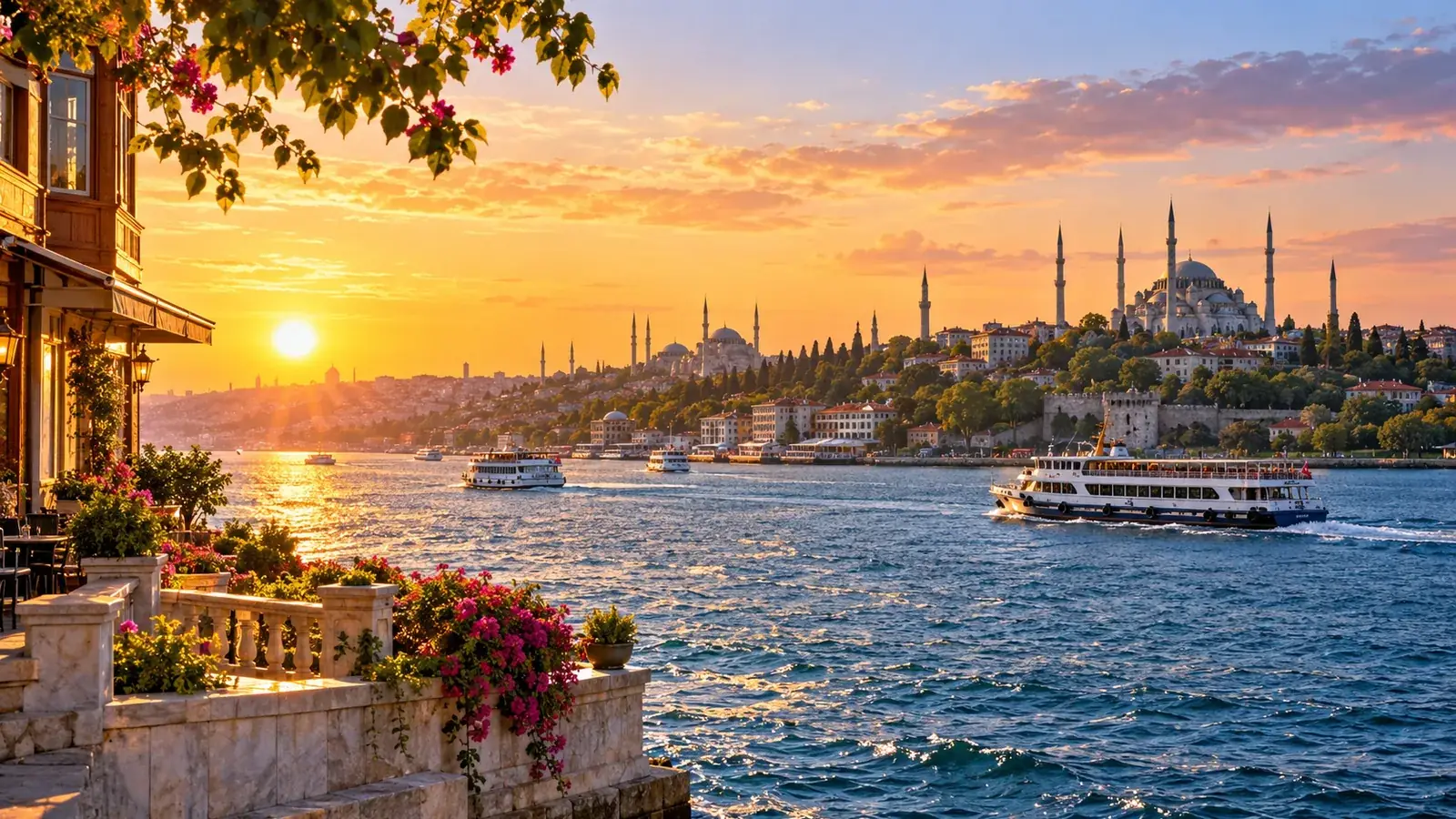
Plan the city in compact areas. On one day, keep Sultanahmet sights together: Hagia Sophia, the Blue Mosque, Basilica Cistern and Topkapi Palace. On another, combine Galata, Karakoy and the Spice Bazaar or take a ferry to Kadikoy. This reduces the time spent crossing the city in rain.
Use our 3 day Istanbul itinerary as a base, but slow it down for winter. Keep one indoor backup for every outdoor section. A museum, hammam, long lunch or bazaar visit can rescue a wet afternoon without making the day feel wasted.
Bosphorus ferries still belong in a January trip. Choose a normal public ferry or short cruise when visibility is good. Sit inside when the wind is strong, then move outside briefly for skyline views. The water can look dramatic in winter even when the sky is grey.
Is Cappadocia worth visiting in January?
Yes, if you are comfortable with real winter conditions and can keep balloon plans flexible.
Nevsehir's long-term January average high is around 4.1°C and the average low is around -3.5°C. Before sunrise, when many balloon pickups happen, conditions can be colder than the daytime number suggests. Gloves, a warm hat, thermal layers, thick socks and shoes with grip are practical rather than optional.
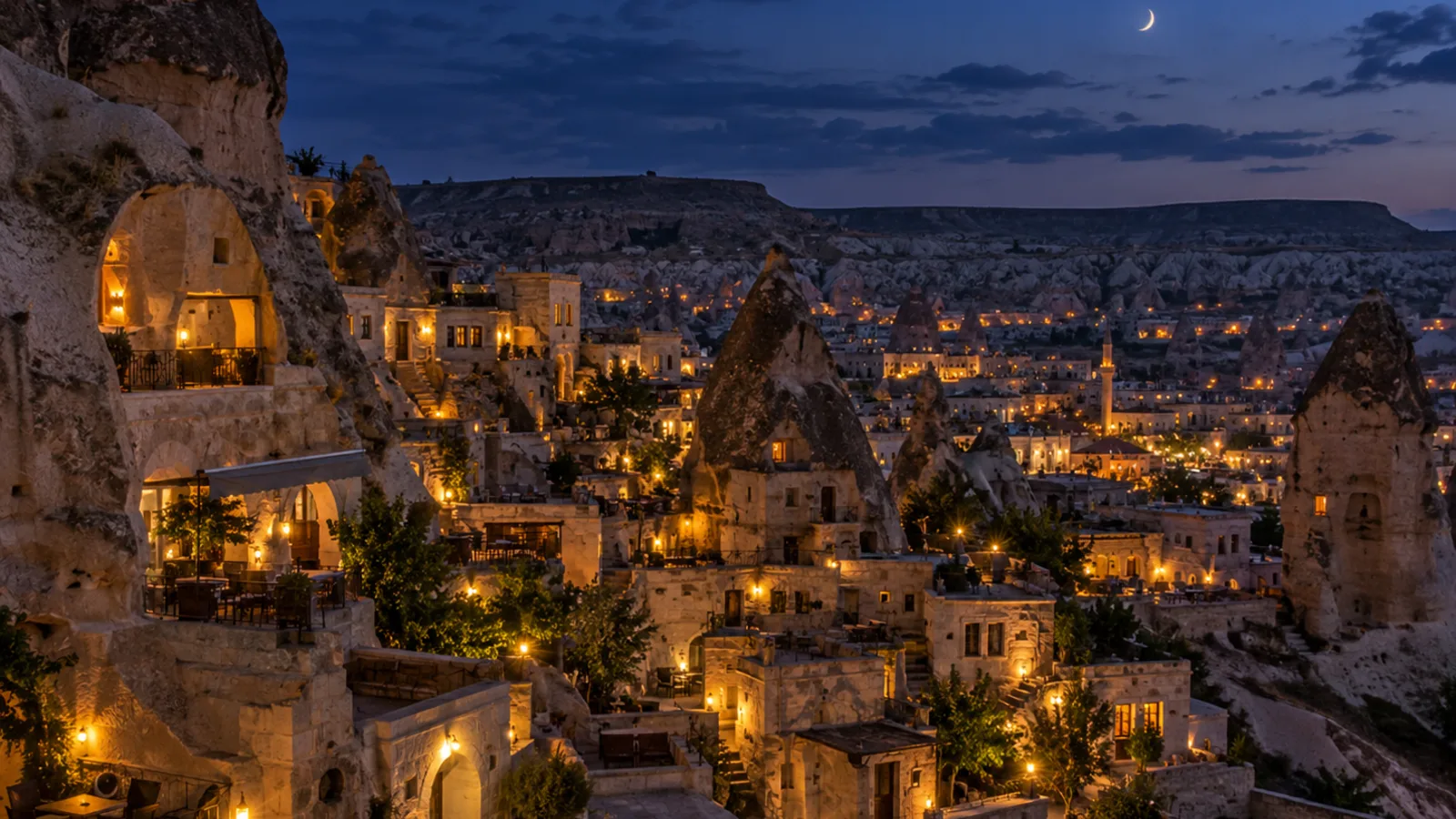
Snow is possible and can transform the fairy chimneys, valleys and cave-hotel terraces. But January does not guarantee a snow-covered Cappadocia. You may see snow, dry cold, frost, wind or a mix during the same stay. Build the trip around Cappadocia itself, not only around one perfect snowy photograph.
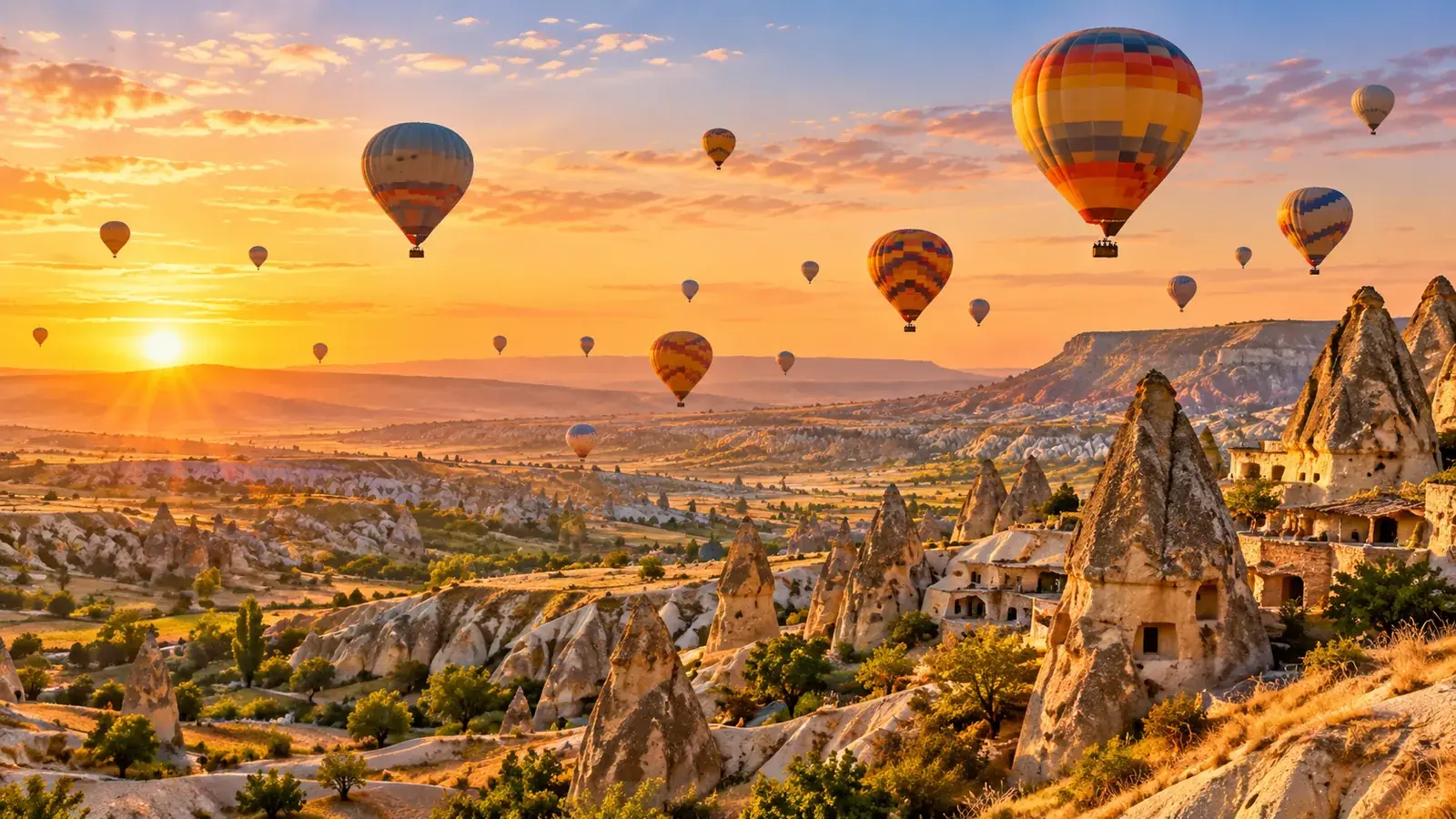
Hot-air balloons can operate in January when weather and aviation conditions are suitable. Winter does not mean automatic cancellation, but wind, precipitation, visibility and other safety factors can stop flights. If the balloon is a trip priority, stay at least three nights and keep more than one morning available.
Have a ground plan as well. Goreme Open Air Museum, underground cities, Avanos and a long cave-hotel lunch work when trails are uncomfortable. On clear afternoons, viewpoints and shorter valley walks can be excellent, but icy steps and shaded paths need extra care.
January is also a good month to consider a cave hotel with a strong indoor experience rather than choosing only by terrace. A warm room, reliable heating, breakfast space and easy road access can matter more in deep winter than a large outdoor deck.
Are Ephesus and Pamukkale good in January?
They can be excellent for quiet sightseeing, but rain and slippery surfaces need respect.
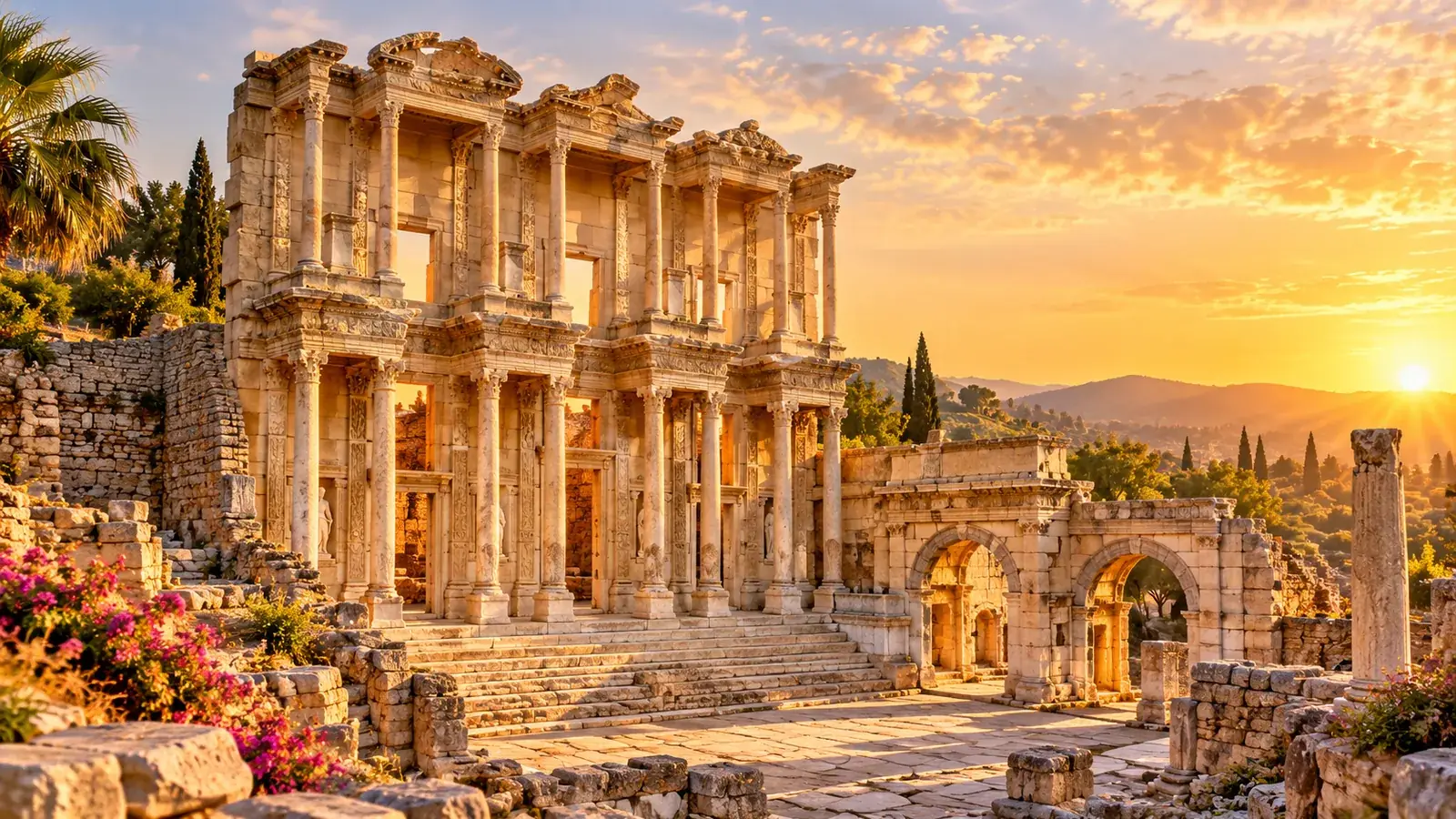
Izmir's long-term January average high is about 12.5°C. That is far easier for walking through exposed archaeological sites than July or August. At Ephesus, you can often spend more time looking at the Library of Celsus, theatre, Curetes Street and terrace-house area without planning around extreme heat.
The trade-off is winter rain. Marble and stone can become slippery, so waterproof shoes with grip are useful. Keep Selcuk museums, restaurants or a slower indoor afternoon as backups if a strong rain system moves through.
Pamukkale remains a year-round stop because the travertines, Hierapolis and thermal-water setting are not summer-only attractions. The experience feels different in winter. Air temperatures are cool, paths can be wet, and you should bring dry socks and warm layers for after the barefoot travertine sections.
If you are travelling by public transport, avoid building a January route that depends on several very tight same-day connections. Winter disruption is not constant, but one delayed road journey can make an aggressive itinerary stressful.
Is Antalya warm in January?
It is mild compared with Cappadocia, but January should be planned as a city-and-history trip, not a guaranteed beach holiday.
Antalya's long-term January average high is about 15.0°C and the average low about 5.9°C. A sunny calm afternoon can feel pleasant, especially compared with inland Turkey, but winter rain can be heavy and evenings are cool.
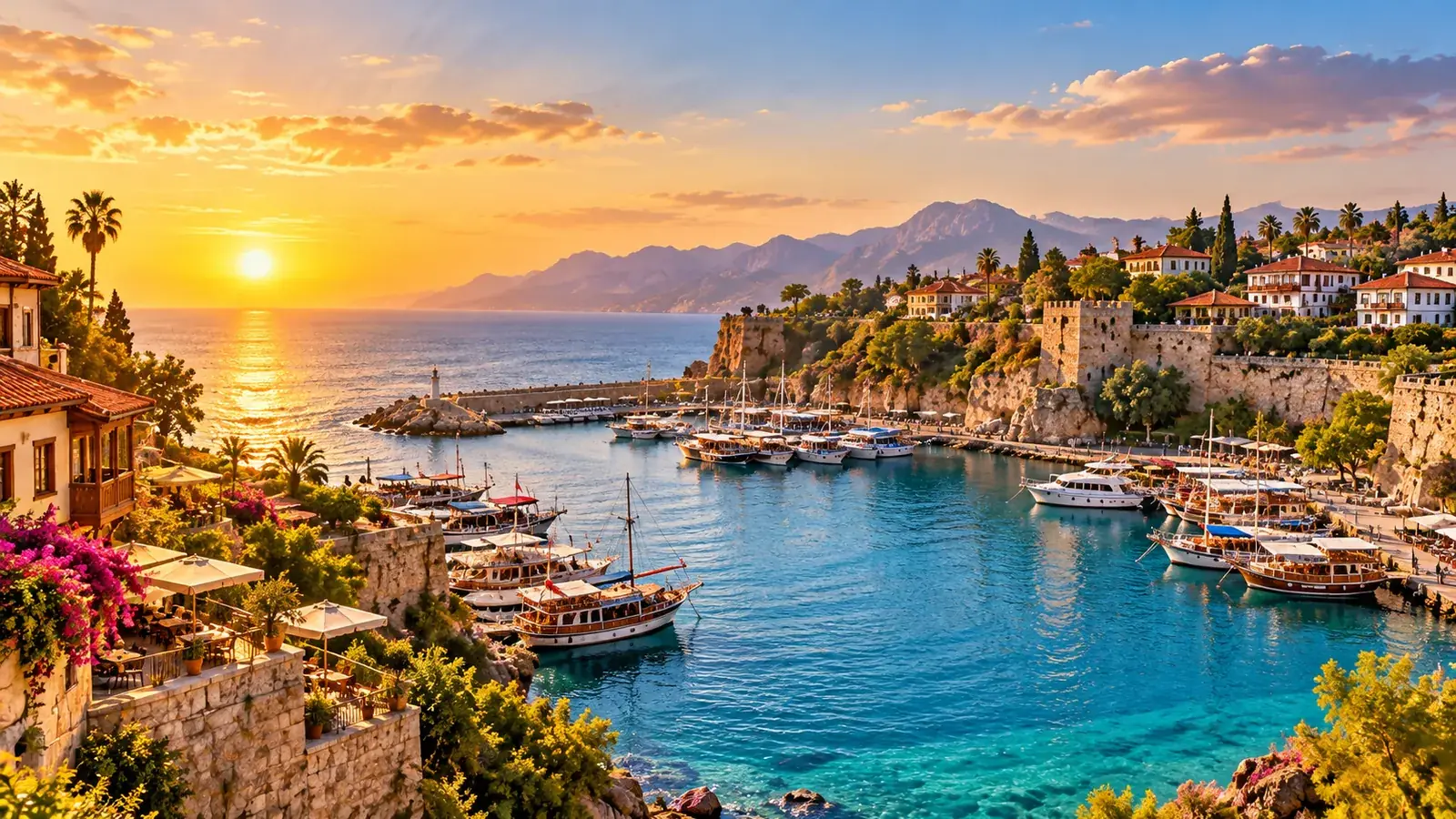
Kaleici, Antalya Museum, Perge and Aspendos are strong winter choices. Waterfalls can also be interesting after rain, but always check current access and weather. Some summer-oriented boat trips, beach clubs and resort businesses operate less frequently or close seasonally.
Do not confuse a 15°C average high with swimming weather. Some travellers may sit outside in sunshine or walk the beach comfortably, but January is not a reliable sun-and-sea holiday month. If swimming and boat trips are your main goals, compare this with Turkey in May or the summer month guides.
Early January vs late January in Turkey
The whole month is winter, but the first week and the rest of January can feel different for crowds and planning.
Early January
The New Year period can keep Istanbul and Cappadocia busier than a normal low-season week. Some hotels, rooftop restaurants and special-event venues may still carry holiday demand. January 1 may also bring changed opening hours, so verify important attractions and transport for your exact year.
Mid to late January
After the holiday period, many major tourist areas settle into deep low season. This can be attractive for travellers who dislike queues and do not need beach weather. It can also be the period when some coastal businesses run reduced schedules, so confirm anything that is central to your trip.
Weather does not follow the calendar neatly. Late January is not automatically warmer than early January. A cold system can arrive at any point, and a sunny week can occur in the middle of winter. Use climate averages for trip design and current forecasts for day-to-day decisions.
Can you add skiing to a January Turkey trip?
Yes, especially if your route already includes Cappadocia and you want a true winter activity.
Erciyes near Kayseri is the most logical ski add-on for the Going2Turkey corridor because Kayseri is also one of the main gateways to Cappadocia. Conditions, lift operations and snow depth change through the season, so check the current resort report rather than assuming every January date is identical.
A ski day changes the rhythm of a Turkey itinerary. It is better to add a full day than squeeze it between a balloon morning and a long intercity transfer. If you are not skiing, January still offers winter experiences such as hammams, thermal water, cave hotels, snowy viewpoints and slower restaurant days.
Do not add distant eastern ski destinations simply because it is winter unless they are genuinely part of your route. For a first Turkey trip, Istanbul, Cappadocia and the western corridor are already enough to fill one or two weeks.
Which Turkey route works best in January?
Keep the route simple enough to absorb weather changes and transport delays.
What should you wear in Turkey in January?
Pack for damp cities, freezing Cappadocia mornings, wet archaeological sites and milder Mediterranean afternoons.
Start with a waterproof or water-resistant outer jacket, warm mid-layer, long trousers and closed walking shoes with grip. Add a compact umbrella for cities, although strong wind can make a hood more useful around the Bosphorus.
For Cappadocia, bring thermal base layers, gloves, a warm hat, thicker socks and footwear that can handle mud, frost or light snow. At balloon pickup time you may be standing outside before sunrise, so dress for the coldest part of the day rather than the afternoon forecast.
For Antalya, layers work better than one heavy outfit. A mild sunny afternoon can feel very different from a wet evening. If you are moving across several regions, one flexible layering system is easier than packing separate wardrobes.
Is January cheap and quiet in Turkey?
Often, but not every destination or date follows the same pattern.
January is generally low season for Istanbul, Cappadocia and the western coastal corridor after the New Year period. That can mean lighter visitor pressure and more accommodation choice than peak spring, summer and early autumn.
However, do not assume every hotel, flight or activity is automatically cheap. Ski destinations can have strong winter demand, special weekends can raise city prices, and reduced coastal supply can mean fewer choices rather than simply lower prices. Compare your exact dates.
January value is strongest for travellers who actively want museums, food, history, winter scenery and quiet sightseeing. A very cheap beach-resort room is not good value if the restaurants, boat trips and services you want are closed or reduced.
For a broader price comparison, use our cheapest month to visit Turkey guide alongside current hotel and flight prices.
January travel mistakes to avoid
Most January problems come from trying to force a summer-style itinerary into deep winter.
- Booking only one Cappadocia balloon morning. Winter weather can cancel flights; protect several mornings if the balloon matters.
- Expecting guaranteed snow. Cappadocia can be snowy, frosty or simply cold and dry on your dates.
- Treating Antalya as a beach holiday. It is milder, but winter rain and cool sea conditions are normal.
- Wearing smooth-soled shoes. Wet marble, ice and muddy trails make grip important.
- Planning too many transfers. Leave room for winter road, flight or weather disruption.
- Assuming every coastal business runs normally. Check current opening days, boat trips and local services.
- Ignoring daylight. Put the most important outdoor sights in the middle of the day.
- Using averages as a forecast. Recheck actual weather shortly before each destination.
Turkey in January: weather and travel questions
Short answers for planning a deep-winter Turkey trip.
Is January a good time to visit Turkey?
Yes for Istanbul, Cappadocia, archaeology, food and quiet cultural travel. It is less suitable if your main goal is swimming, beach clubs and summer-style boat trips.
How cold is Turkey in January?
It varies greatly. Istanbul averages highs around 9.6°C, Nevsehir around 4.1°C, Izmir around 12.5°C and Antalya around 15.0°C. Cappadocia nights commonly fall below freezing.
Does it snow in Cappadocia in January?
Snow is possible and January is a genuine winter month, but no specific travel week can guarantee snow. Frost, freezing nights and icy surfaces are more reliable planning assumptions.
Do hot-air balloons fly in Cappadocia in January?
They can fly when conditions are safe. Wind, precipitation, visibility and other aviation conditions can cause cancellations, so keep several mornings available.
Is Istanbul worth visiting in January?
Yes. Major historic sights, museums, markets, ferries, restaurants and neighbourhoods work year-round. Pack for rain and build each day with indoor alternatives.
Can you swim in Antalya in January?
A few cold-water swimmers may go in on calm days, but January should not be planned as a swimming holiday. The air and sea are much cooler than summer and winter rain is common.
Is January crowded in Turkey?
Generally it is low season in the main cultural destinations after the New Year period. Ski resorts are an exception and can be busy when snow conditions are good.
What should I pack for Turkey in January?
Bring layers, a waterproof outer jacket, long trousers and shoes with grip. Add thermals, gloves, a warm hat and thicker socks for Cappadocia and other inland areas.
Compare January with December and the wider winter season.
Use the surrounding guides to decide whether deep winter or a slightly milder month suits your trip better.
Climate references: Turkish State Meteorological Service official long-period climate statistics for Istanbul, Nevsehir, Izmir and Antalya, reviewed 30 September 2026. Historic averages are planning guides, not forecasts. Balloon operations depend on current conditions and aviation safety decisions.