Turkey in February: Weather and Where to Go
Plan a February trip to Turkey with realistic winter temperatures, Cappadocia balloon advice, rain and snow expectations, quieter sightseeing, packing tips and the best places to visit.
Is February a good time to visit Turkey?
Yes, if you want quiet cultural travel, winter Cappadocia and lower-season sightseeing without expecting beach weather. February is still winter across Turkey, but it usually feels a little less severe than January. Istanbul remains cold and damp, Cappadocia can have snow and freezing mornings, the Aegean is cool with rain, and Antalya is the mildest major stop on this route.
February suits travellers who care more about museums, food, archaeology, winter scenery and relaxed sightseeing than swimming or nightlife at beach resorts. It is also a useful month for a first Turkey trip if you prefer lighter crowds and can keep outdoor plans flexible.
What is the weather like in Turkey in February?
February remains winter, but the exact experience changes sharply between Istanbul, central Anatolia, the Aegean and the Mediterranean.
| Area | Average February high | Traveller reality |
|---|---|---|
| Istanbul | About 10.2°C | Cold city weather with rain, wind and occasional snow risk. |
| Cappadocia / Nevsehir | About 6.0°C | Cold days and freezing nights; snow, frost and icy paths remain realistic. |
| Izmir / Aegean | About 13.7°C | Cool sightseeing weather with rain possible; good for archaeology between wet spells. |
| Antalya | About 15.9°C | Mildest major stop on this route, but February is still winter and not dependable beach weather. |
These are official Turkish State Meteorological Service long-period climate averages used for trip planning, not forecasts. Check the actual forecast before each destination.
Best places to visit in Turkey in February
Choose destinations that still feel worthwhile when rain, snow or cold changes the outdoor plan.
What is Istanbul like in February?
February is still winter in Istanbul, but it can be an excellent month for travellers who prefer culture to crowds.
Official long-period climate data gives Istanbul an average February high of about 10.2°C. The city can feel colder when wind crosses the Bosphorus, especially on ferry decks and waterfront streets. Rain is common enough that a flexible daily plan is more useful than a rigid outdoor checklist.
Keep Sultanahmet sights together so you can move easily between Hagia Sophia, the Blue Mosque, Basilica Cistern and Topkapi Palace. On a second day, use Karakoy, Galata and the Spice Bazaar, then cross by ferry when visibility is good. February is one of the months when a museum, hammam or long lunch can be part of the plan rather than a backup.
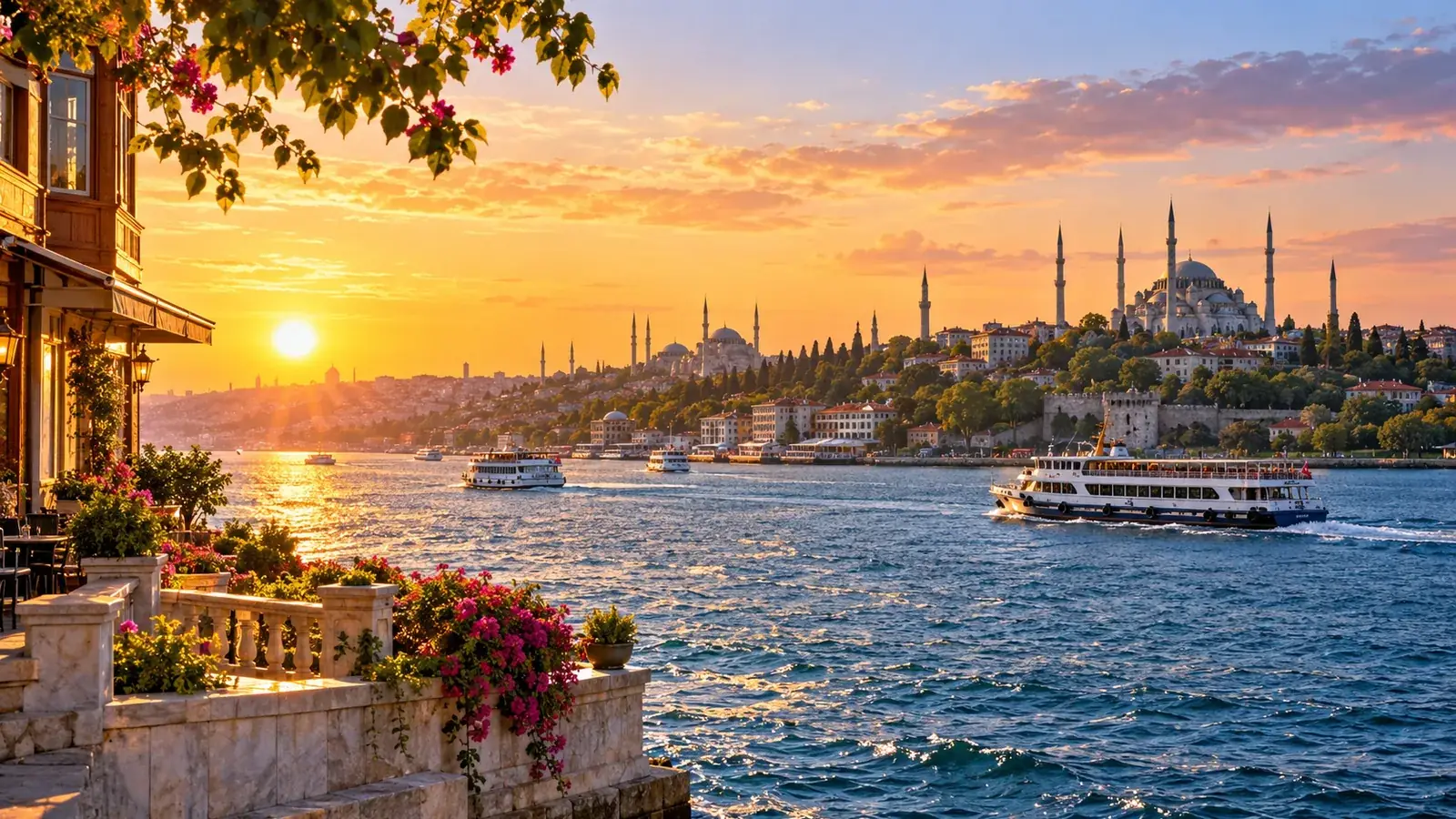
Snow is possible in Istanbul but should never be treated as guaranteed. A normal February trip may bring grey skies, rain, clear cold days and short bursts of sunshine all in the same week. Pack for changeable conditions rather than one dramatic winter forecast.
For a practical base route, use our 3 day Istanbul itinerary, but leave more indoor time than you would in spring or autumn.
Is Cappadocia worth visiting in February?
Yes, especially if you want winter atmosphere and can stay flexible with balloon plans.
Nevsehir's long-term February average high is around 6.0°C, while average nights remain below freezing. Sunrise pickups can therefore feel much colder than the daytime number suggests. Thermals, gloves, a warm hat and shoes with grip are useful even when the afternoon forecast looks manageable.
Snow is possible and can transform the valleys and fairy chimneys, but no specific week can promise a white landscape. February can also bring dry cold, frost, thawing mud or mixed conditions. Plan for winter rather than planning specifically for snow.
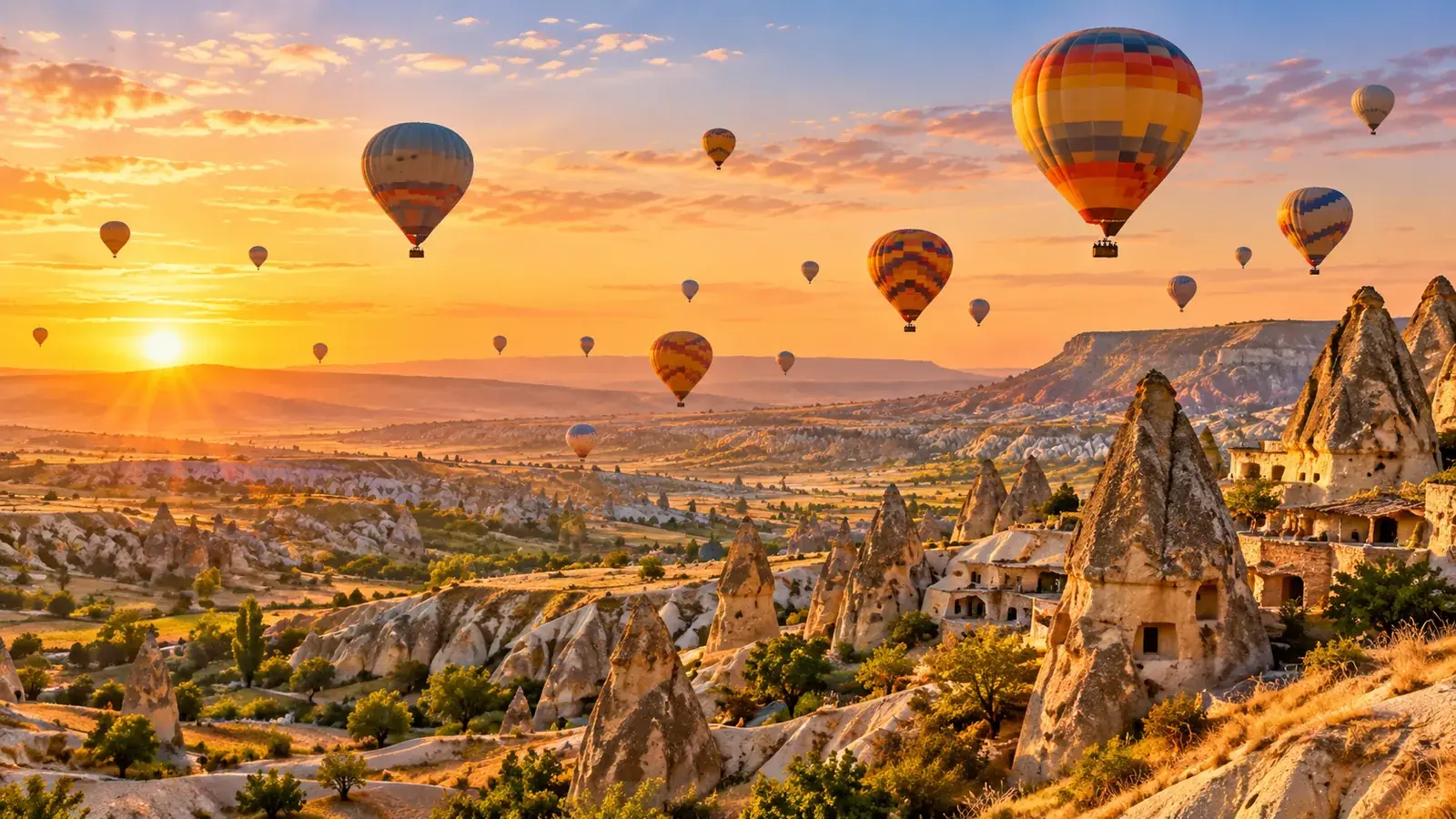
Hot-air balloons can fly in winter when conditions are safe, but flights are never guaranteed by the month. Wind, visibility and other aviation conditions can cancel a morning. If a balloon ride is a priority, stay at least two or three nights and avoid placing the flight on your final morning.
Use valleys during the warmest part of the day and choose shorter walks after snow or rain. Underground cities, Goreme Open Air Museum, cave hotels, pottery and indoor meals give you useful alternatives when conditions are poor.
Are Ephesus and Pamukkale good in February?
For travellers who dislike summer heat, February can be one of the most comfortable times to walk major archaeological sites.
Izmir's average February high is around 13.7°C, making the Aegean noticeably milder than central Anatolia. Rain is still part of winter, so the best approach is to watch the short-range forecast and place Ephesus on the driest day.
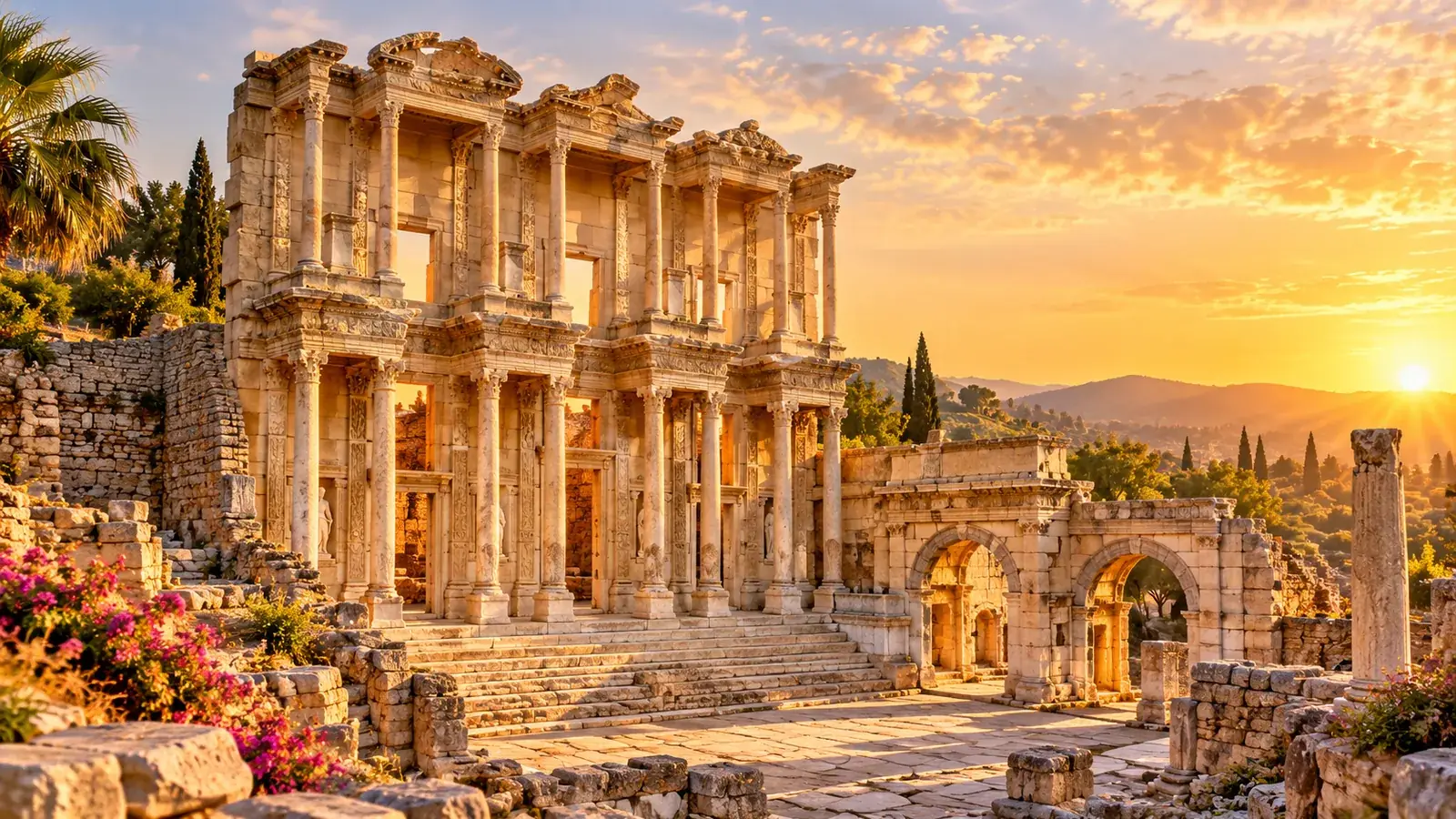
Wet marble can be slippery, and open archaeological areas have limited shelter. A waterproof jacket, proper shoes and a compact umbrella can turn a borderline day into a manageable one. The reward is a site without the physical stress of July and August heat.
Pamukkale is also practical in February. The thermal water remains part of the experience, but the air can feel cold before and after you remove your shoes. Bring a small towel and dry socks, and do not assume the white travertines will feel warm simply because the water is thermal.
What is Antalya like in February?
Antalya is the mildest major destination in this route, but February is still off-season.
Antalya's official average February high is about 15.9°C. A sunny afternoon can feel pleasant for walking Kaleici or visiting Perge and Aspendos, but winter rain remains possible and the coast should not be sold to yourself as a dependable swimming holiday.
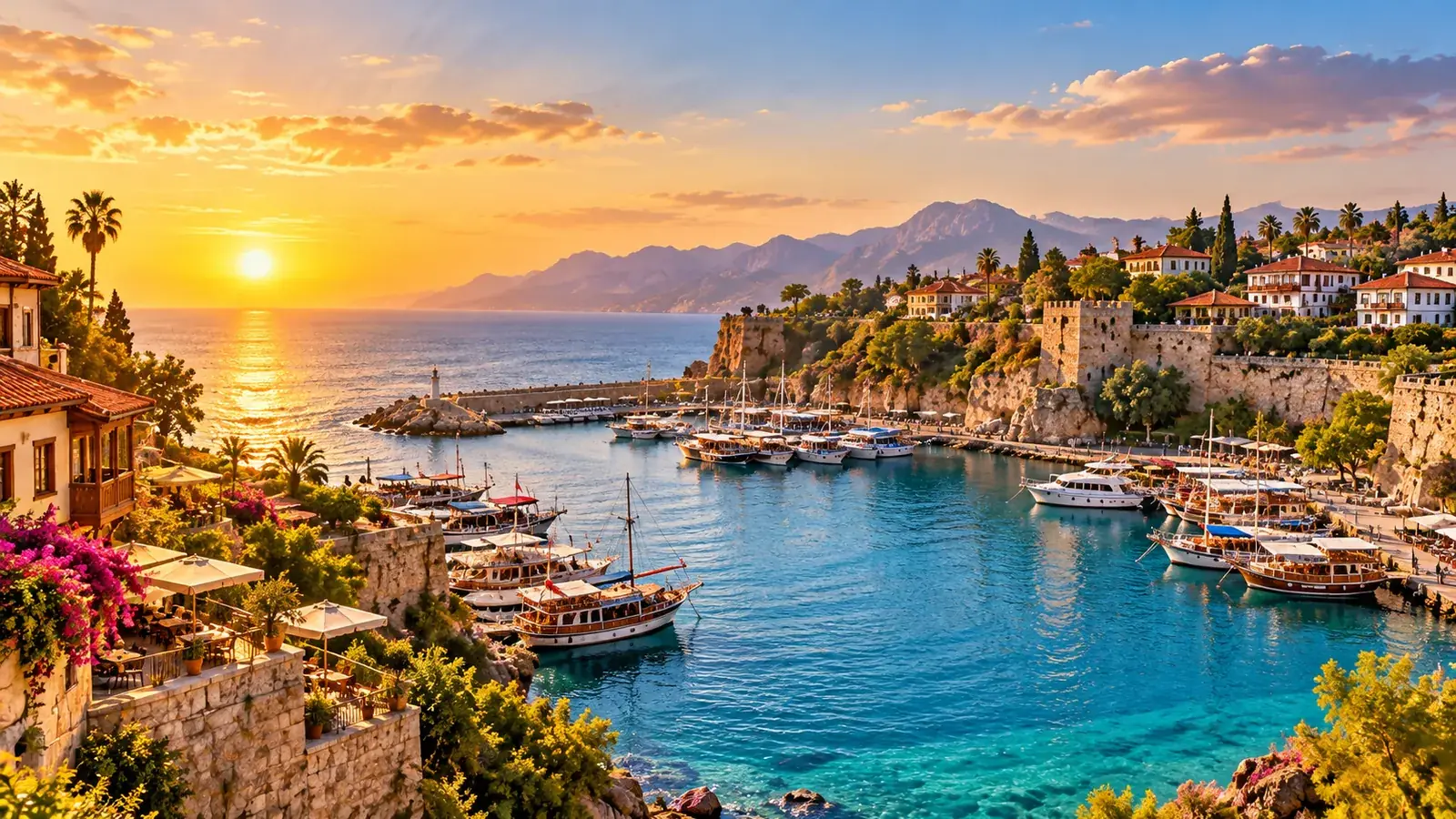
Some seasonal beach businesses and excursions operate on reduced schedules. Check the exact hotel, restaurant or boat trip you want before building the trip around it. The city itself remains useful because museums, old-town streets and major ancient sites do not depend on summer resort life.
If you want warmth rather than beach weather, Antalya works well as the final stop after colder Istanbul and Cappadocia. The contrast can make a February route feel more varied without requiring you to leave the main Going2Turkey corridor.
How should you plan a February sightseeing day?
Winter trips work better when the most weather-sensitive activity is placed in the best part of the day.
In Istanbul, use the morning for major indoor sights if rain is forecast, then move outdoors when the sky improves. In Cappadocia, balloon pickups happen before sunrise, but valley walks are usually more comfortable around late morning or early afternoon after frost has softened. In Ephesus and Pamukkale, aim for the driest daylight window and avoid rushing over wet stone.
Keep one flexible block every day. That might be a museum, hammam, cafe, pottery workshop, cave-hotel rest period or long lunch. This simple habit stops one wet or snowy hour from ruining the full itinerary.
Also watch transfer timing. Winter road journeys can take longer in poor weather, especially around central Anatolia. Avoid booking a tight connection immediately after a long bus or flight when the next activity is expensive or impossible to move.
Early February vs late February in Turkey
The difference is not dramatic, but late February begins the slow transition toward March.
Early February still feels firmly wintery. Cappadocia nights remain very cold, Istanbul can be windy and wet, and snow risk is still part of inland planning. Choose early February if winter atmosphere matters more than mild weather.
Late February can bring slightly longer daylight and occasional milder afternoons in Istanbul, Izmir and Antalya. It is still winter, and cold systems can return quickly, but the month starts to feel less locked into deep winter than January.
For travellers deciding between January and February, February normally gives you the same low-season advantages with a small improvement in daylight and temperature. For travellers deciding between February and March, March is usually better if you want a clearer move toward spring.
Which Turkey route works best in February?
Keep transfers reasonable so bad weather does not turn the trip into a race.
What should you wear in Turkey in February?
Pack for damp city weather, freezing Cappadocia mornings and milder but changeable afternoons on the coast.
Bring a waterproof or water-resistant outer jacket, warm mid-layer, long trousers and closed shoes with grip. A hood is often more useful than an umbrella in strong Istanbul wind, although a compact umbrella can still help in calmer rain.
For Cappadocia, add thermal base layers, gloves, a warm hat and thicker socks. If there is snow or thawing ground, waterproof footwear is much more useful than fashionable city shoes. Dress for sunrise, not only for the afternoon temperature.
For Izmir and Antalya, layers are better than one heavy coat. A sunny afternoon can be comfortable, then the evening can cool quickly. One flexible layering system works across all regions.
Do not forget sunscreen and sunglasses. Winter sun can still be bright, especially around snow, pale rock and open archaeological sites.
Is February cheap and quiet in Turkey?
Usually, especially compared with spring, summer and early autumn, but exact dates still matter.
February is generally low season in Istanbul, Cappadocia and the western corridor. That can mean lighter queues, more hotel choice and a slower feel at major sights. However, school holidays, events and ski demand can affect prices on certain dates.
Coastal resorts can be inexpensive because demand is lower, but reduced winter services mean a cheap hotel is not automatically good value. Check whether the restaurants, activities and transport you expect are actually operating.
The strongest February value is for people who want culture, food, history, winter scenery and archaeology. If your main goal is warm sea, beach clubs and long boat days, waiting for a warmer month is usually a better use of the budget.
February travel mistakes to avoid
Most problems come from treating late winter like spring or summer.
- Booking one balloon morning only. Winter conditions can cancel flights; protect several mornings.
- Expecting guaranteed snow. Cappadocia may be snowy, frosty, muddy or dry and cold.
- Planning Antalya as a beach holiday. It is mild, not reliably hot.
- Ignoring wet surfaces. Archaeological marble, valley paths and city pavements can be slippery.
- Overloading the route. Too many transfers remove the flexibility winter travel needs.
- Assuming every coastal excursion operates. Check seasonal schedules before booking around them.
- Using climate averages as a forecast. Recheck actual weather shortly before arrival.
- Packing only for the coast. Cappadocia sunrise temperatures require proper winter layers.
Turkey in February: weather and travel questions
Short answers for planning a late-winter Turkey trip.
Is February a good time to visit Turkey?
Yes for Istanbul, Cappadocia, archaeology, food and quieter cultural travel. It is less suitable for a classic beach holiday.
How cold is Turkey in February?
It varies greatly. Average highs are about 10.2°C in Istanbul, 6.0°C in Nevsehir, 13.7°C in Izmir and 15.9°C in Antalya.
Does it snow in Cappadocia in February?
Snow is possible and freezing nights are normal, but no specific travel week can guarantee snow. Frost and cold mornings are safer assumptions.
Do hot-air balloons fly in Cappadocia in February?
They can fly when conditions are safe. Wind, visibility and other aviation conditions can cancel a flight, so keep several mornings available.
Is Istanbul worth visiting in February?
Yes. Historic interiors, museums, markets, ferries, restaurants and neighbourhoods work year-round. Build indoor alternatives into each day.
Can you swim in Antalya in February?
A few cold-water swimmers may, but February should not be planned as a swimming holiday. Air and sea conditions are much cooler than summer.
Is February crowded in Turkey?
Generally no. It is low season across most of the main cultural route, although ski areas and special dates can be busier.
What should I pack for Turkey in February?
Bring layers, a waterproof outer jacket, closed shoes with grip and proper winter accessories for Cappadocia, including gloves, a warm hat and thermals.
Compare February with January, March and the wider winter season.
Use the surrounding guides to choose the month that best matches your weather tolerance and route.
Climate references: Turkish State Meteorological Service official long-period climate statistics for Istanbul, Nevsehir, Izmir and Antalya, reviewed 30 September 2026. Historic averages are planning guides, not forecasts. Balloon operations depend on current conditions and aviation safety decisions.