Turkey in August: Weather and Where to Go
Plan an August trip to Turkey with realistic regional temperatures, peak-summer heat advice, Cappadocia timing, warm-sea destinations, crowds, packing and route ideas.
August is excellent for the Turkish coast, but sightseeing should be built around the heat.
August is one of Turkey's hottest and busiest months. Choose it if swimming, boat trips, long evenings and full summer resort atmosphere matter most. Bodrum, Marmaris, Fethiye and Antalya are firmly in beach season, while Istanbul, Cappadocia, Ephesus and Pamukkale are better when you start early and avoid the hottest part of the afternoon.
August does not mean every destination is too hot. Cappadocia mornings are much cooler than the coast, Istanbul has ferries and indoor sights for the afternoon, and the sea becomes part of the daily plan on the Aegean and Mediterranean. The key is pace: do important outdoor sightseeing before lunch, rest or swim in the afternoon, then return outside for sunset and dinner.
If you mainly want archaeology, long hikes and comfortable city walking, September is usually easier. If you want a true summer holiday with a few major cultural stops added, August can work very well.
What is the weather like in Turkey in August?
August stays hot and dry across most of the classic Going2Turkey route, but inland Cappadocia, Istanbul and the coast feel very different.
| Area | Typical daytime high | Typical night low | August pattern | Best use of the weather |
|---|---|---|---|---|
| Istanbul | about 28-30°C | about 21-23°C | Hot, sometimes humid, mostly dry | Early Old City, museums, ferries and evenings |
| Cappadocia / Nevsehir | about 28-30°C | about 13-15°C | Dry days, hot afternoons, cool sunrise | Balloons, early valleys, underground cities later |
| Izmir / Ephesus | about 32-34°C | about 22-24°C | Hot, sunny and very dry | First entry at Ephesus, coast after lunch |
| Pamukkale / Denizli | about 33-35°C | about 21-23°C | Very hot, bright and exposed | Early Hierapolis and travertines, long midday break |
| Bodrum / Marmaris / Fethiye | about 32-35°C | about 22-25°C | Peak beach season and warm nights | Swimming, boat days and late dinners |
| Antalya | about 34-35°C | about 23-24°C | Very hot, sunny and often humid | Beach or pool afternoons, early ruins |
These are rounded planning ranges, not a forecast for your exact dates. Official Turkish climate statistics put the long-term August average maximum around 34.9°C in Antalya, 33.0°C in Izmir and 28.7°C in Nevsehir. Actual heat waves can go much higher, so check the short-range forecast before exposed hikes, archaeological sites or long driving days.
August 2026 was also warmer than the 1991-2020 national normal overall. Turkey's meteorological service reported a national August average of 25.7°C, around 0.6°C above normal, with above-normal conditions across parts of the south Aegean and Mediterranean. That is a useful reminder to plan with current forecasts rather than relying only on historic averages.
Where are the best places to visit in Turkey in August?
August rewards travellers who match the destination to the time of day instead of trying to sightsee continuously from morning to evening.
How does August feel in Turkey's main destinations?
The same temperature can feel very different depending on humidity, shade, altitude and whether your day is built around walking or swimming.
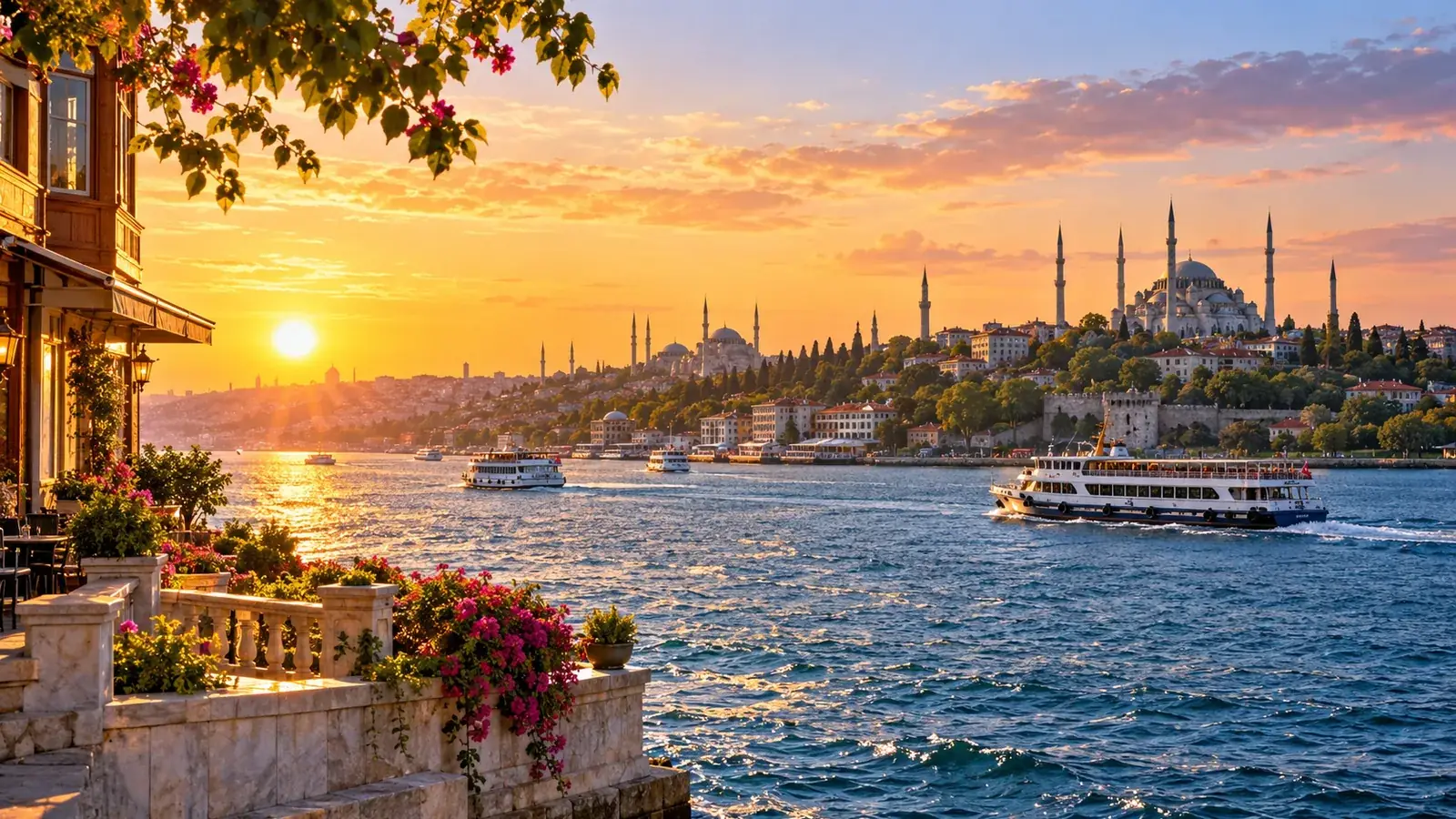
Istanbul in August: hot days, strong evenings and useful ferry breaks
Istanbul in August is hot and can feel humid, especially in crowded streets with little air movement. Start Sultanahmet early for Hagia Sophia, the Blue Mosque, Topkapi Palace and Basilica Cistern. If you wait until late morning, queues and heat often arrive together.
The city becomes easier when you use the Bosphorus as part of the plan. Ferries to Kadikoy or Uskudar, a Bosphorus cruise, shaded museum time and a long lunch can carry the middle of the day. Karakoy, Besiktas, Ortakoy and waterfront areas become more enjoyable again toward evening. August is a good month for travellers who like late dinners and lively streets.
Cappadocia in August: sunrise is your most valuable time
Cappadocia is dry in August, but its altitude creates a bigger day-night temperature range than the coast. Official Nevsehir data gives a long-term August average maximum around 28.7°C and average minimum around 13.6°C. That is why a pre-sunrise balloon pickup can feel cool even when the afternoon becomes hot.
Protect the first hours of the day. Use sunrise for a balloon flight or viewpoint, then hike Rose Valley, Red Valley, Pigeon Valley or Love Valley early. By late morning, move to Goreme Open Air Museum, Derinkuyu, Kaymakli, cave interiors, lunch or a hotel rest. Return outside for sunset rather than forcing a long exposed hike at 2 pm.
Balloon flights are never guaranteed. Wind and aviation safety decisions apply every morning, even in summer. If flying matters a lot, give Cappadocia at least two or three mornings so one cancellation does not remove your only opportunity.

Ephesus and Pamukkale in August: go early or change the order of your day
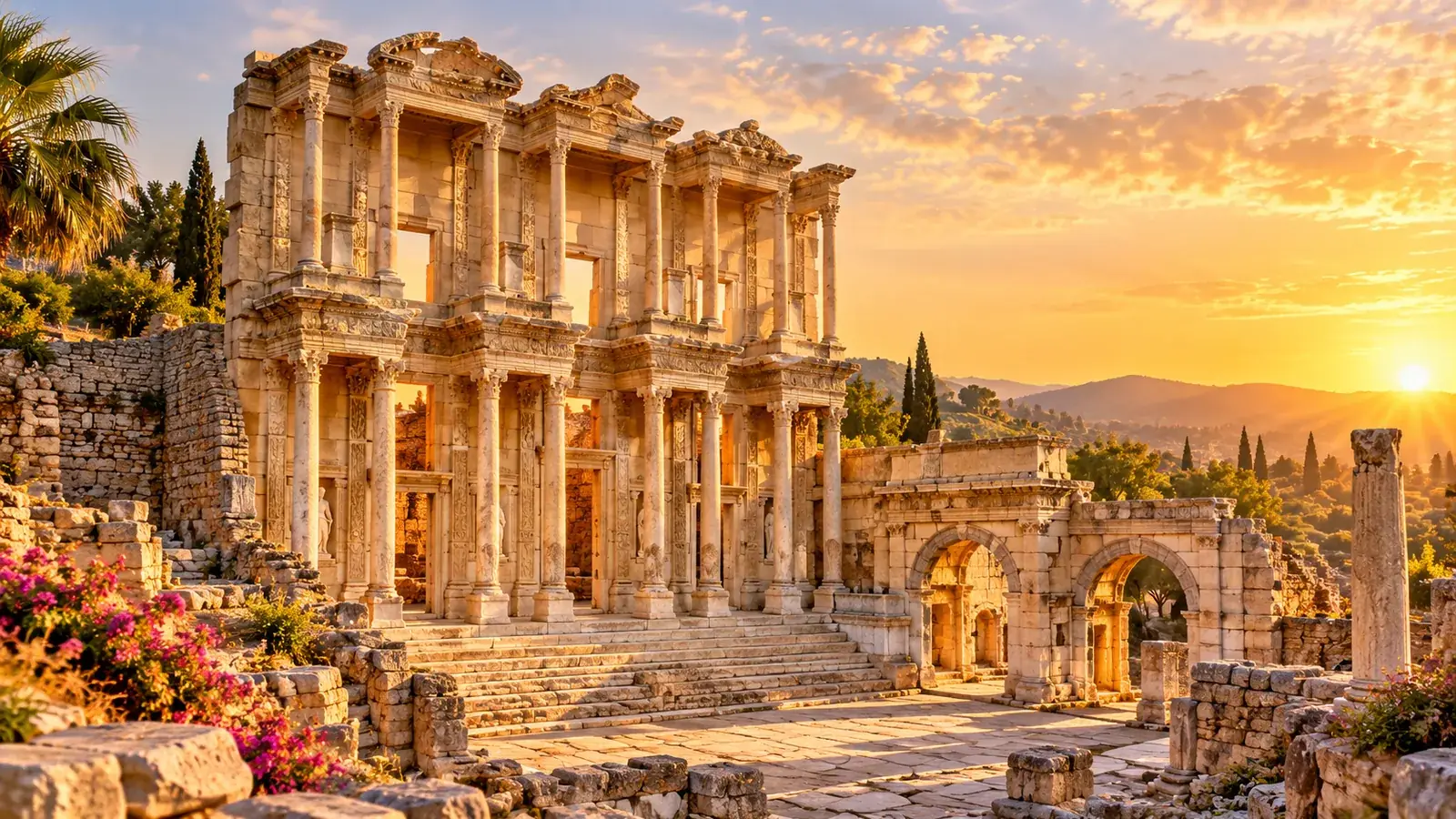
Ephesus and Pamukkale are among the places where August timing matters most. Much of Ephesus is exposed marble and stone, and Hierapolis also has limited shade over large areas. The sites are still worth visiting, but a midday arrival can turn a great experience into an endurance test.
Use the earliest practical entry. Carry water, sunscreen and a hat, and do not plan a second major exposed archaeological site immediately afterward. At Pamukkale, combine the travertines and Hierapolis in the cooler part of the day and leave the strongest afternoon hours for transport, lunch or rest.
Early August vs late August: is there a meaningful difference?
Do not expect a dramatic seasonal change during August, but the second half can feel slightly different depending on destination and year.
Early August is firmly peak summer. Coastal resorts are busy, sea temperatures are warm, family holiday demand is strong and afternoon heat is usually a major planning factor. If your dates fall in the first half of the month, book important hotels, boat trips and fixed transport earlier rather than assuming last-minute availability.
Late August still feels like summer. The sea remains warm and resort life continues, so do not choose late August expecting September-style sightseeing temperatures. Some evenings may begin to feel slightly easier inland, and daylight is gradually shorter, but a hot spell can remove that difference completely.
For culture-heavy itineraries, the better comparison is not early August versus late August; it is August versus September. If you can move the whole trip into the second half of September, Ephesus, Pamukkale, Istanbul walking and Cappadocia hiking are usually easier while the coast can still be very enjoyable.
Is August good for Bodrum, Marmaris, Fethiye and Antalya?
Yes. August is one of the strongest beach months, but it is also one of the hottest and busiest.
Bodrum suits travellers who want beaches, restaurants, marina atmosphere and nightlife. Peninsula beaches can feel much easier than inland sightseeing because the daily plan naturally includes swimming and sea breeze.
Marmaris works well for boat trips, Icmeler, marina evenings and a resort-style stay. The hottest hours are better on the water, by the pool or in shade than on a long inland excursion.
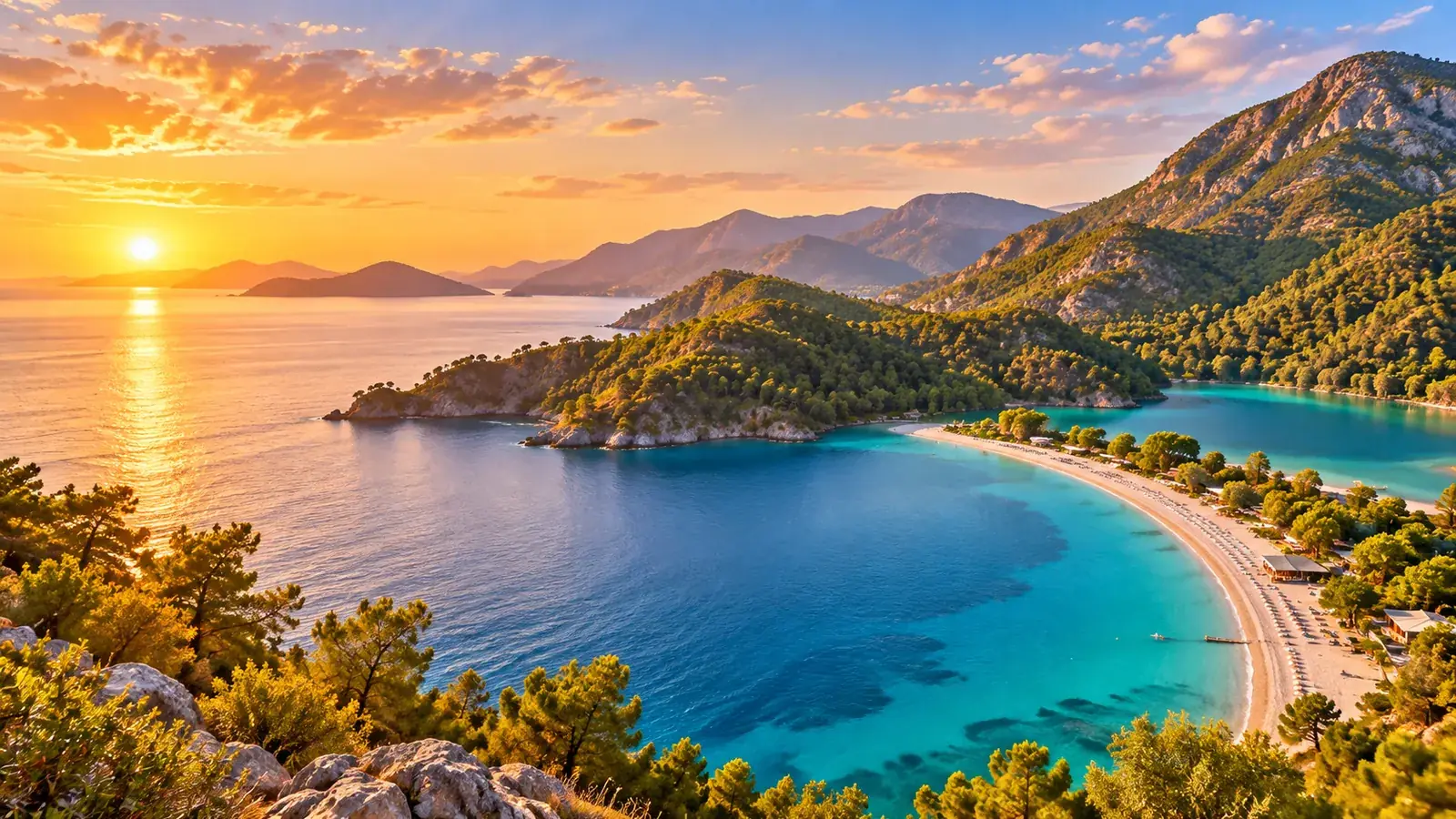
Fethiye gives one of the best August combinations: Oludeniz, boat trips, swimming, sunset viewpoints and access to Lycian history. If you want to hike exposed sections of the Lycian Way, start very early and avoid treating August like a spring trekking month.
Antalya is hot and can be humid. Official long-term climate data gives an August average maximum around 34.9°C and an average minimum around 23.7°C. That makes beach and pool time easy, but Perge, Termessos and other outdoor archaeological visits need careful timing.
Is Turkey crowded in August?
Yes. August is peak season for much of the coast and a busy month for Turkey's major first-time destinations.
Expect strong demand in Bodrum, Marmaris, Fethiye, Antalya, Alacati and other beach areas. The most desirable cave hotels in Cappadocia and well-located Istanbul hotels can also sell strongly. You do not need to reserve every meal, but accommodation, domestic flights, popular boat days and any fixed-date experience that matters to you deserve earlier booking.
Crowds are not equal all day. Ephesus at opening time can feel completely different from late morning. Istanbul's Old City is easier before tour groups build. Cappadocia viewpoints are busiest around sunrise, then many valleys become quieter once the day gets hot. Use timing as a crowd-management tool as well as a heat-management tool.
How should you plan a sightseeing day in August?
A good August day is usually split into active morning, protected afternoon and active evening.
06:00-10:30: use the coolest hours for balloons, viewpoints, ruins, historic districts or longer walks. In Cappadocia this is the best outdoor window; at Ephesus it is when the site feels most manageable.
10:30-16:30: slow down. Use museums, underground cities, cave interiors, ferries, a shaded lunch, hotel pool, beach time or transport between destinations. Hydration matters more than trying to maintain a packed sightseeing checklist.
After 17:00: return outside for waterfronts, old towns, bazaars, sunset viewpoints and dinner. Bodrum, Marmaris, Fethiye, Antalya and Istanbul all reward travellers who keep energy for the evening.
Pay attention to local fire restrictions and access closures during periods of extreme heat or wildfire risk, particularly around forested coastal areas. Conditions can change quickly, so follow local authority instructions rather than relying on an old itinerary.
Which Turkey itinerary works best in August?
August routes work best when major cultural stops are focused and the coast receives enough nights to justify peak-summer conditions.
What should you wear in Turkey in August?
Pack light for heat, but do not forget one layer for Cappadocia sunrise and strong air conditioning.
Bring breathable shirts, shorts or light trousers, comfortable walking shoes, sandals, swimwear, a hat, sunglasses, high-SPF sunscreen and a reusable water bottle. A thin overshirt or scarf is useful for sun protection and for respectful mosque visits.
For Cappadocia balloon mornings, add one light layer. Even in August, pre-sunrise temperatures can feel cool compared with the afternoon. If you are moving between Istanbul, Cappadocia and the coast, pack for different daily rhythms rather than assuming every stop feels like Antalya.
Do not overpack heavy clothes. Laundry is widely available in tourist areas, and lighter luggage makes buses, domestic flights, ferries and hotel changes much easier.
August travel mistakes to avoid
The most common problems come from treating peak summer like spring sightseeing season.
- Starting major ruins at midday. Ephesus, Hierapolis and exposed ancient sites are far better early.
- Scheduling long Cappadocia hikes after lunch. Use sunrise and early morning, then move indoors.
- Trying to visit too many coast towns. Three nights in one strong base usually beats one night each in Bodrum, Marmaris and Fethiye.
- Booking key August hotels too late. Peak dates reduce choice, especially for popular coast locations and special Cappadocia stays.
- Assuming balloons always fly in summer. Every flight still depends on safe wind and aviation approval.
- Ignoring current heat or fire warnings. Check local conditions before hikes, drives and forest-area excursions.
- Using historic averages as a forecast. They are planning guides only; check the actual forecast shortly before each destination.
Turkey in August: weather and travel questions
Short answers for planning a peak-summer Turkey trip.
Is August a good month to visit Turkey?
Yes if you want warm sea, beach time, boat trips and lively summer evenings. For culture-heavy travel, build the day around early sightseeing and afternoon breaks.
How hot is Turkey in August?
It varies by region. Antalya's long-term average maximum is about 34.9°C, Izmir about 33.0°C and Nevsehir about 28.7°C. Heat waves can push actual temperatures higher.
Can you swim in Turkey in August?
Yes. August is peak swimming season on the Aegean and Mediterranean, with warm water and a full schedule of boat trips and coastal activities.
Is Cappadocia too hot in August?
No, if you use sunrise and early morning for outdoor activity. Afternoons are better for underground cities, cave interiors, lunch, pools or rest.
Do Cappadocia balloons fly in August?
They can operate frequently, but no month guarantees a flight. Wind and aviation safety conditions determine whether flights are authorised each morning.
Is Turkey crowded in August?
Yes. August is peak season in coastal resorts and busy in major tourist destinations. Book important hotels, flights and fixed-date experiences earlier.
Is late August better than early August?
Late August may feel slightly easier on some days, but it is still summer and can remain very hot. September is the stronger change if cooler sightseeing weather is your priority.
What should I pack for Turkey in August?
Bring light breathable clothing, walking shoes, sunscreen, a hat, sunglasses, swimwear and a reusable water bottle, plus one light layer for Cappadocia sunrise and air-conditioned transport.
Compare August with Turkey's other strong travel months.
Use the month guides to decide whether peak summer or a shoulder-season trip suits you better.
Climate references: Turkish State Meteorological Service official long-term climate statistics and August 2026 temperature analysis, reviewed 30 September 2026. Temperatures above are rounded planning ranges, not forecasts. Balloon operations depend on current conditions and aviation safety decisions.