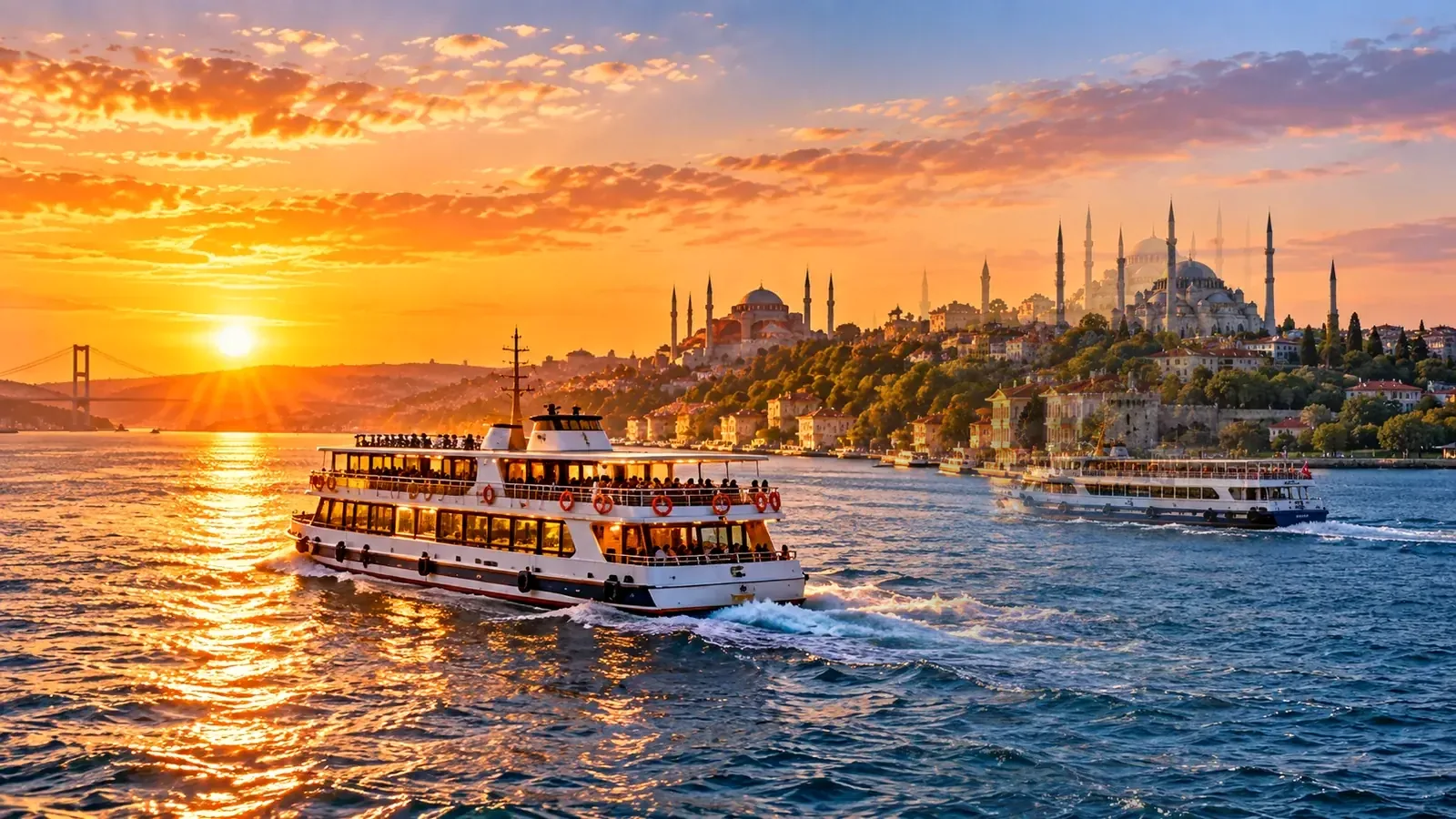
4 Day Istanbul Itinerary Without a Car
You do not need a rental car for four days in Istanbul. The easiest first-time plan uses walking, the T1 tram, M2 metro, funiculars and ferries. Spend Day 1 in Sultanahmet, Day 2 around Eminonu, Karakoy and Galata, Day 3 along the Bosphorus and Besiktas, then Day 4 on the Asian side in Kadikoy and Uskudar.
Can you spend 4 days in Istanbul without a car?
Yes. In central Istanbul, a car is usually more trouble than help for a visitor. Historic areas are walkable, the T1 tram connects Sultanahmet with Eminonu, Karakoy and Kabatas, the M2 metro serves Taksim and Sishane, and ferries link the European and Asian sides.
Four days gives you enough time to use the transport network properly instead of rushing between sights in taxis. You can keep each day in one part of the city, cross the Bosphorus by ferry, and leave enough space for meals, queues and neighbourhood walks.
How to travel around Istanbul without a car
Use the mode that matches the geography instead of defaulting to taxis.
| Transport | Best use | Useful areas on this itinerary |
|---|---|---|
| T1 tram | Historic centre and waterfront | Sultanahmet, Eminonu, Karakoy, Kabatas |
| M2 metro | Fast north-south travel | Sishane, Taksim, Osmanbey, Sisli |
| Ferries | Crossing Europe and Asia | Eminonu/Karakoy/Besiktas to Kadikoy or Uskudar |
| F1 funicular | Steep connection | Kabatas to Taksim |
| Walking | Neighbourhood exploration | Sultanahmet, Karakoy, Galata, Kadikoy, Moda |
The T1 tram currently runs through Sultanahmet, Eminonu, Karakoy and Kabatas, which is why it is the backbone of a first-time sightseeing route. The M2 metro connects Sishane and Taksim with the wider city. Public ferries run frequent routes between the European waterfront and Kadikoy, so crossing the Bosphorus can be part of the sightseeing rather than lost travel time.
Simple rule: walk within a neighbourhood, use rail when the route follows a line, and use ferries when you need to cross the Bosphorus. Check live service notices on the day because demonstrations, events or maintenance can temporarily change station access.
4 days in Istanbul without a car at a glance
This plan spreads the city across four logical areas instead of repeating the three-day route with extra stops.
| Day | Morning | Afternoon | Evening | Main transport |
|---|---|---|---|---|
| Day 1 | Blue Mosque + Hagia Sophia | Topkapi + Basilica Cistern | Sultanahmet | Walk |
| Day 2 | Spice Bazaar + Eminonu | Karakoy + Galata | Istiklal/Taksim | T1 + walk + M2/F1 |
| Day 3 | Dolmabahce + Besiktas | Bosphorus ferry/cruise | Ortakoy or waterfront dinner | Tram + ferry |
| Day 4 | Kadikoy market | Moda + Uskudar | Sunset ferry | Ferry + walk |
Sultanahmet and the major historic sights
Keep the first day compact and mostly on foot.
Blue Mosque and Hagia Sophia
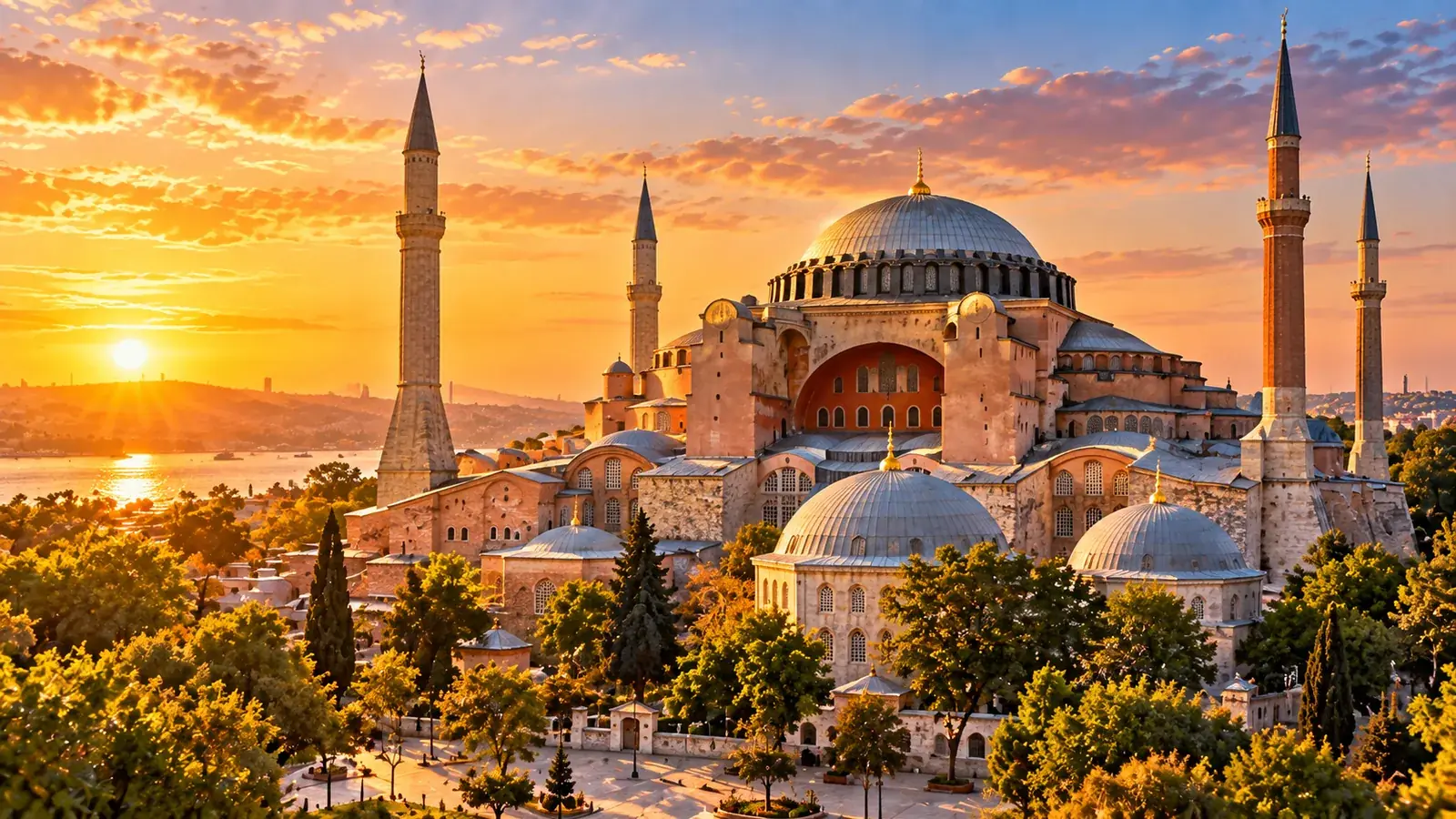
Start in Sultanahmet Square. Visit the Blue Mosque outside prayer periods, then continue to Hagia Sophia. Allow time for security and queues instead of scheduling your morning minute by minute.
Topkapi Palace
Walk to Topkapi Palace. If the palace matters to you, give it two to three hours. It is currently closed on Tuesdays, so swap this day with another day if necessary.
Basilica Cistern
Finish at the Basilica Cistern. It is close enough to the rest of the Old City that you do not need a tram or taxi.
Eminonu, Karakoy, Galata and Taksim
Use the T1 tram and your feet to move gradually from the Old City into modern central Istanbul.
Spice Bazaar and Eminonu
Start at the Spice Bazaar and the busy Eminonu waterfront. If the Grand Bazaar is a major priority, visit it first and then take the T1 toward Eminonu.
Cross to Karakoy and walk uphill to Galata
Walk across Galata Bridge or use the tram. Explore Karakoy, then climb toward Galata Tower. The streets around Galata are worth time even if you do not buy the tower ticket.
Continue to Istiklal and Taksim
From Galata, continue toward Istiklal Avenue and Taksim. If you are tired of hills, use the historic tunnel or M2 connections instead of forcing a long uphill walk.
Why this works without a car: the official T1 route directly includes Sultanahmet, Eminonu, Karakoy and Kabatas, while M2 includes Sishane and Taksim. A private car adds parking and traffic problems to a route already well covered by rail.
Besiktas, Dolmabahce and the Bosphorus
Use your extra fourth day to give the Bosphorus its own proper day instead of squeezing it between Old City sights.
Dolmabahce Palace or Besiktas waterfront
If you enjoy palaces, visit Dolmabahce early. It is currently closed on Mondays. If another palace feels too much after Topkapi, skip it and spend a slower morning around Besiktas market and the waterfront.
Take a ferry or Bosphorus cruise
Use a public ferry or compare the existing Istanbul Bosphorus Cruise. The Bosphorus is one of the best reasons not to rent a car: the water itself becomes your transport and your view.
Ortakoy or return via Kabatas
If you want more waterfront time, continue to Ortakoy. Otherwise return toward Kabatas. The F1 funicular links Kabatas with Taksim if your hotel is uphill around Taksim or Beyoglu.
Kadikoy, Moda and Uskudar on the Asian side
The fourth day gives you time to cross continents without sacrificing a headline attraction.
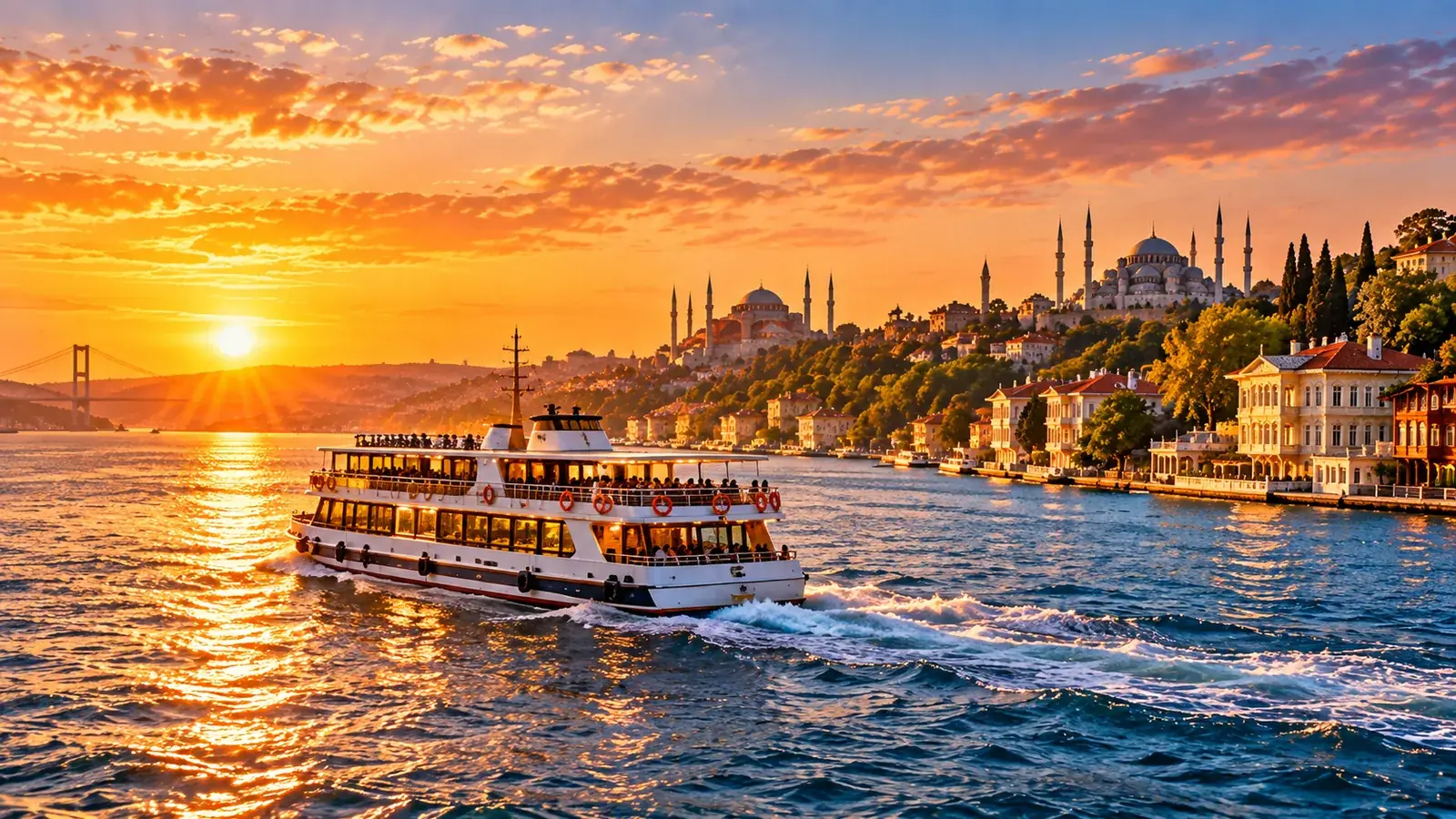
Take the ferry to Kadikoy
Public ferries run frequent services between Kadikoy and the European-side waterfront. Current Sehir Hatlari timetables list regular Kadikoy–Karakoy–Eminonu services through the day. Check the live timetable for your travel date.
Explore Kadikoy market and lunch locally
Walk through Kadikoy market streets and choose lunch based on what looks good rather than rushing to another monument. This is the day to slow down and experience a different side of Istanbul.
Walk to Moda, then continue to Uskudar
Moda is easy for a relaxed walk and coffee stop. Later, use ferry, metro or Marmaray connections to reach Uskudar if you want a second Asian-side neighbourhood and waterfront views back toward the historic peninsula.
Finish with a ferry back to Europe around sunset if conditions and timing work. It is one of the simplest high-value experiences in Istanbul and requires no tour bus or rental car.
Best areas for a car-free Istanbul trip
Your hotel location matters more than having a car.
Sultanahmet
Best for walking to Hagia Sophia, the Blue Mosque, Topkapi and Basilica Cistern. Evenings are calmer, but you will travel farther for nightlife and the Asian side.
Karakoy / Galata
Excellent for T1 tram, ferries, Galata, Istiklal access and a balanced four-day itinerary. Galata streets are hilly, so check the exact hotel location.
Taksim
Useful for M2 metro, airport connections and nightlife. The F1 funicular helps connect Taksim with Kabatas and the waterfront.
Kadikoy
Great for food and local atmosphere, but first-time visitors should be comfortable taking ferries or Marmaray most days to reach the Old City.
For a full neighbourhood comparison, see Best Area to Stay in Istanbul First Time.
Do you need taxis at all?
No, but they can still be useful. A taxi can make sense late at night, with heavy luggage, during bad weather, or when travelling somewhere not well aligned with rail or ferry routes. The point of a car-free itinerary is not to avoid every vehicle; it is to avoid spending four days managing a rental car in traffic and searching for parking.
For airport transfers, compare your arrival time, luggage and hotel location. Public transport can work well, but a private or shared transfer can be more comfortable after a long flight. Once you are checked in, central sightseeing is usually easier without a car.
What makes a car-free Istanbul itinerary harder than it needs to be?
Changing continents several times a day
Group the Asian side into one day. Ferries are enjoyable, but repeated crossings waste time.
Choosing a cheap hotel far from useful transport
A lower room price can cost you hours. Check walking distance to a tram, metro or ferry stop before booking.
Planning every famous sight in four days
Istanbul is tiring when rushed. Keep one main area per day and remove lower-priority stops when queues are long.
Assuming every short map distance is an easy walk
Galata, Beyoglu and parts of the Bosphorus are steep. Use funiculars, metro and trams to save energy.
4-day Istanbul itinerary without a car: common questions
Is four days enough for Istanbul?
Yes. Four full days is one of the best first-time trip lengths because you can cover the Old City, central neighbourhoods, the Bosphorus and the Asian side without rushing every day.
Is Istanbul easy without a rental car?
Central Istanbul is generally easier without one. Tram, metro, funicular, ferry and walking cover most first-time sightseeing areas, while driving adds traffic and parking problems.
Should I buy an Istanbulkart?
If you plan to use public transport repeatedly, a reloadable transport card is usually convenient. Check the current card types and fare rules after arrival because products and prices can change.
Can I use public ferries instead of a Bosphorus cruise?
Yes. Public ferries are excellent for transport and views. A dedicated Bosphorus cruise makes more sense if you want a longer sightseeing route, commentary or specific stops.
Where should I stay without a car?
Sultanahmet is easiest for Old City sights, while Karakoy/Galata gives a strong balance of tram, ferry and neighbourhood access. Taksim works well for metro access and nightlife.
Can I do this itinerary with children?
Yes, but shorten walking sections and avoid overloading palace and museum visits. Ferries are often a useful break between sightseeing blocks.
What if Topkapi is closed on my Sultanahmet day?
Topkapi is currently closed Tuesdays. Swap Day 1 with another day instead of trying to rebuild the entire itinerary.
Should I choose this or the 3-day Istanbul itinerary?
Choose three days if your Turkey trip is short and you want the highlights. Choose four days if you want a slower pace, more Bosphorus time and a proper Asian-side day.
Related Istanbul and Turkey guides
Istanbul tram, metro, funicular and ferry route information was reviewed on 29 September 2026. Service hours, station access and ferry timetables can change, so check live transport information for your travel dates.