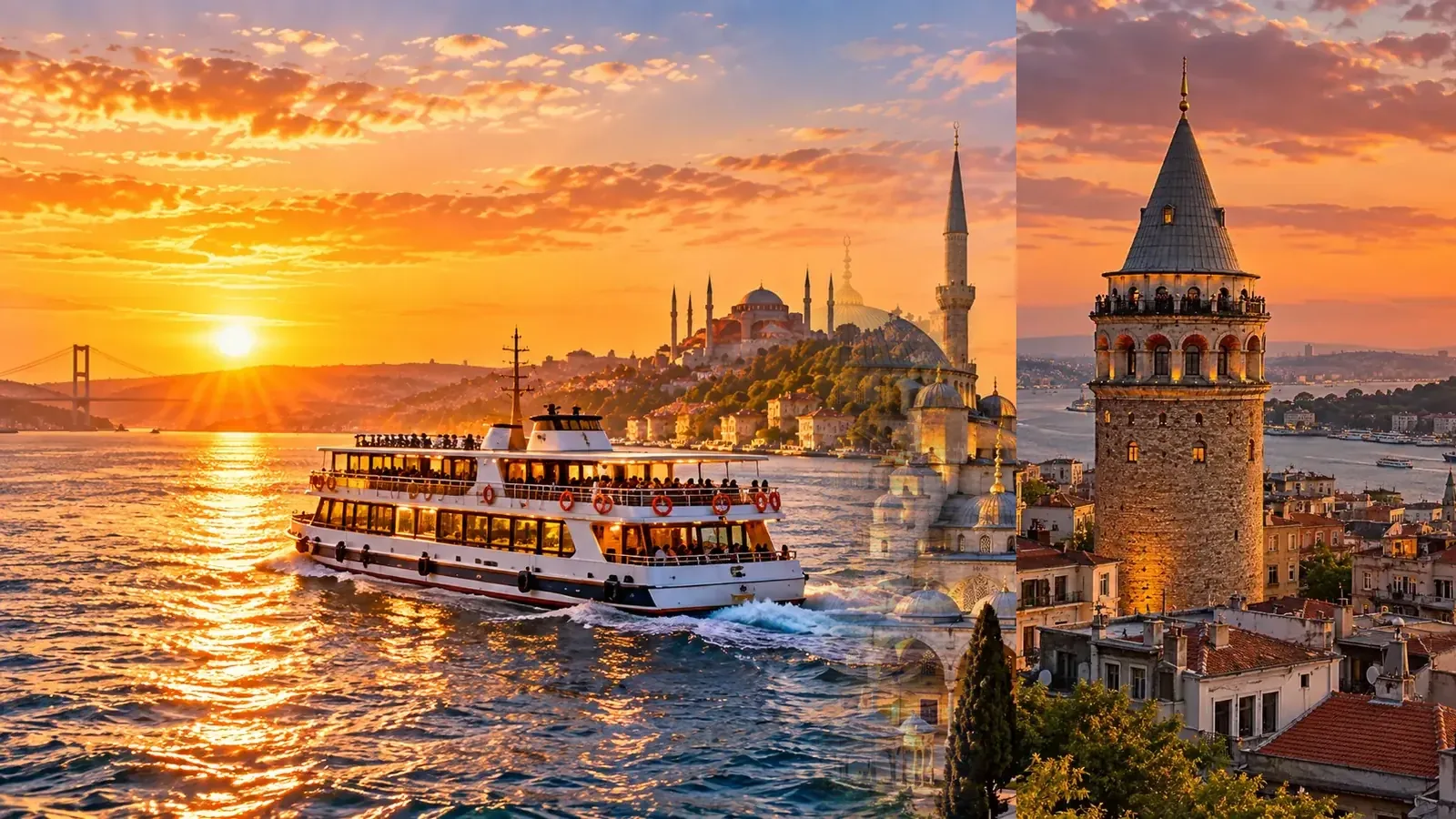
Best Way to Get Around Istanbul Without a Car
For most visitors, the best way to get around Istanbul is to combine walking with the T1 tram, M2 metro, Marmaray, ferries and the F1 funicular. Buy or load an Istanbulkart for public transport, group each day by area, and use taxis only when they save real time or help with luggage.
What is the easiest way to get around Istanbul?
Do not rent a car for a normal Istanbul sightseeing trip. Walk inside each neighbourhood, use T1 for the Old City waterfront corridor, M2 for Taksim and the modern centre, Marmaray for fast cross-Bosphorus rail travel, and ferries when moving between the European and Asian sides.
Istanbul is huge, but first-time sightseeing is concentrated around a smaller set of areas: Sultanahmet, Eminonu, Karakoy, Galata, Taksim, Besiktas, Kadikoy and Uskudar. The trick is not to learn every transport line. Learn the few lines that connect these areas and avoid crossing the city more than necessary.
Metro Istanbul currently lists T1 stops including Sultanahmet, Sirkeci, Eminonu, Karakoy and Kabatas. The M2 includes Taksim and Gayrettepe, while the M4 connects Kadikoy with Sabiha Gokcen Airport. These three lines alone solve many common visitor journeys.
Best Istanbul transport for visitors
Each option has a different job. You will normally use several during the same trip.
| Transport | Best for | Main advantage | Main trade-off |
|---|---|---|---|
| Walking | Sultanahmet, Galata, Kadikoy, local sightseeing | Best way to see street life | Hills and long distances |
| T1 tram | Sultanahmet, Sirkeci, Eminonu, Karakoy, Kabatas | Visitor-friendly central corridor | Can be crowded |
| M2 metro | Taksim, Sishane, Gayrettepe, north-central Istanbul | Fast and traffic-free | Not useful for every Old City sight |
| Marmaray | Sirkeci, Uskudar, Asian-European crossings | Fast cross-Bosphorus rail | Underground, so no views |
| Ferry | Kadikoy, Uskudar, Besiktas, Karakoy, Eminonu | Transport plus Bosphorus views | Timetables vary by route |
| Funicular | Taksim-Kabatas and steep connections | Saves hills and walking | Short route only |
| Taxi | Late nights, luggage, awkward point-to-point trips | Door to door | Traffic can remove the time advantage |
The most important choice is usually between rail and road. During busy traffic periods, tram, metro, Marmaray and ferries give you much more predictable movement than a taxi across central Istanbul.
Use Istanbulkart for everyday public transport
Istanbulkart is the standard transport card used across Istanbul's integrated public transport network. For a visitor making several journeys, it is much easier than treating every tram, metro, ferry or bus ride as a separate planning problem.
Load enough credit for your next few journeys, keep the card somewhere easy to reach and top it up before it becomes empty. Card products and fare rules can change, so check the current information at official machines or transport websites when you arrive rather than relying on an old fixed fare from a travel article.
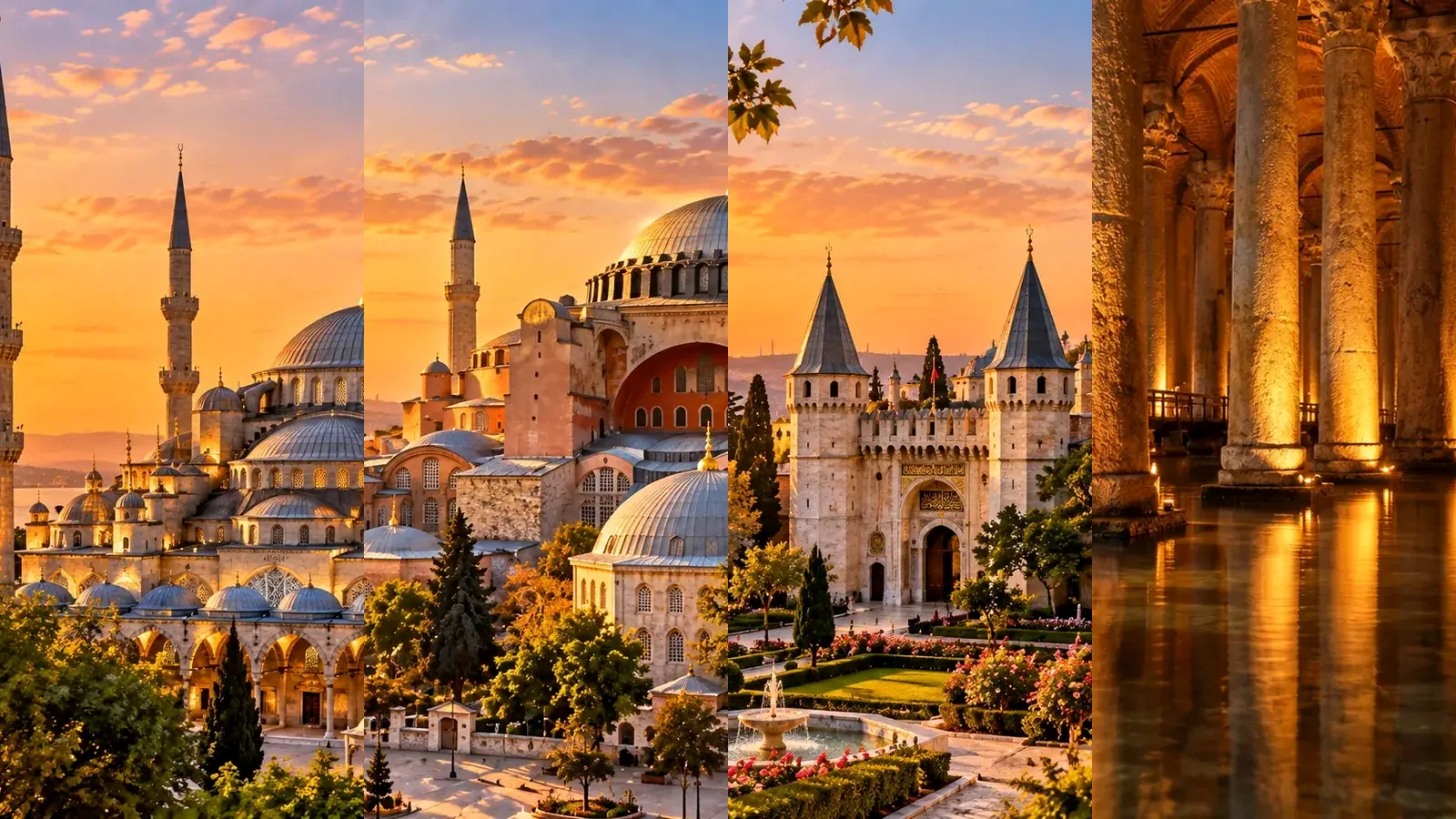
The Istanbul transport lines most visitors actually need
T1 tram: the most useful line for first-time visitors
The T1 Kabatas-Bagcilar tram is the line many first-time visitors use most. Metro Istanbul's current route includes Sultanahmet, Gulhane, Sirkeci, Eminonu, Karakoy and Kabatas. That means one line links the historic peninsula with the Spice Bazaar area, Galata Bridge, Karakoy and the Bosphorus-side connection at Kabatas.
Use it when the walk between areas is longer than it looks or when you want to save energy for sightseeing. At busy times it can be crowded, so do not board with an open bag or phone hanging loosely near the door.
M2 metro: best for Taksim and the modern centre
The M2 runs through central stations including Sishane, Taksim, Sisli-Mecidiyekoy and Gayrettepe. It is especially useful if your hotel is around Taksim or Beyoglu, or when you are connecting to the M11 airport line at Gayrettepe.
If you are staying in Taksim, M2 is usually more useful than trying to use buses for every journey. Combine it with walking downhill toward Galata or with the F1 funicular to reach Kabatas.
M4 metro: Kadikoy and Sabiha Gokcen Airport
The M4 runs from Kadikoy to Sabiha Gokcen Airport. Metro Istanbul currently lists the full end-to-end journey at about 52 minutes. Visitors staying in Kadikoy can use M4 for the airport and change at Ayrilik Cesmesi for Marmaray connections.
Marmaray: fast when you want to cross continents
Marmaray is one of the most useful shortcuts in the city. It connects the European and Asian sides under the Bosphorus and works especially well when you need Sirkeci, Uskudar, Ayrilik Cesmesi or Yenikapi. Use it when speed matters more than scenery.
F1 funicular: Taksim to Kabatas
The F1 connects Taksim and Kabatas. Metro Istanbul lists a one-way journey of only a few minutes. This is a small line with a big practical value because it saves a steep descent or climb between Taksim and the waterfront, where you can continue by T1 tram or ferry.
Ferries are real public transport, not only sightseeing
For many visitors, the ferry becomes the most memorable way to move around Istanbul. Sehir Hatlari currently publishes regular inner-city routes such as Kadikoy-Karakoy-Eminonu, Kadikoy-Besiktas, Kadikoy-Kabatas and Uskudar-Karakoy-Eminonu.
If you are going from Kadikoy to Karakoy, Eminonu or Besiktas, compare the ferry before automatically choosing Marmaray. The ferry is slower than the fastest rail connection in some cases, but you get open-air views, a natural break from walking and a much better sense of the Bosphorus.
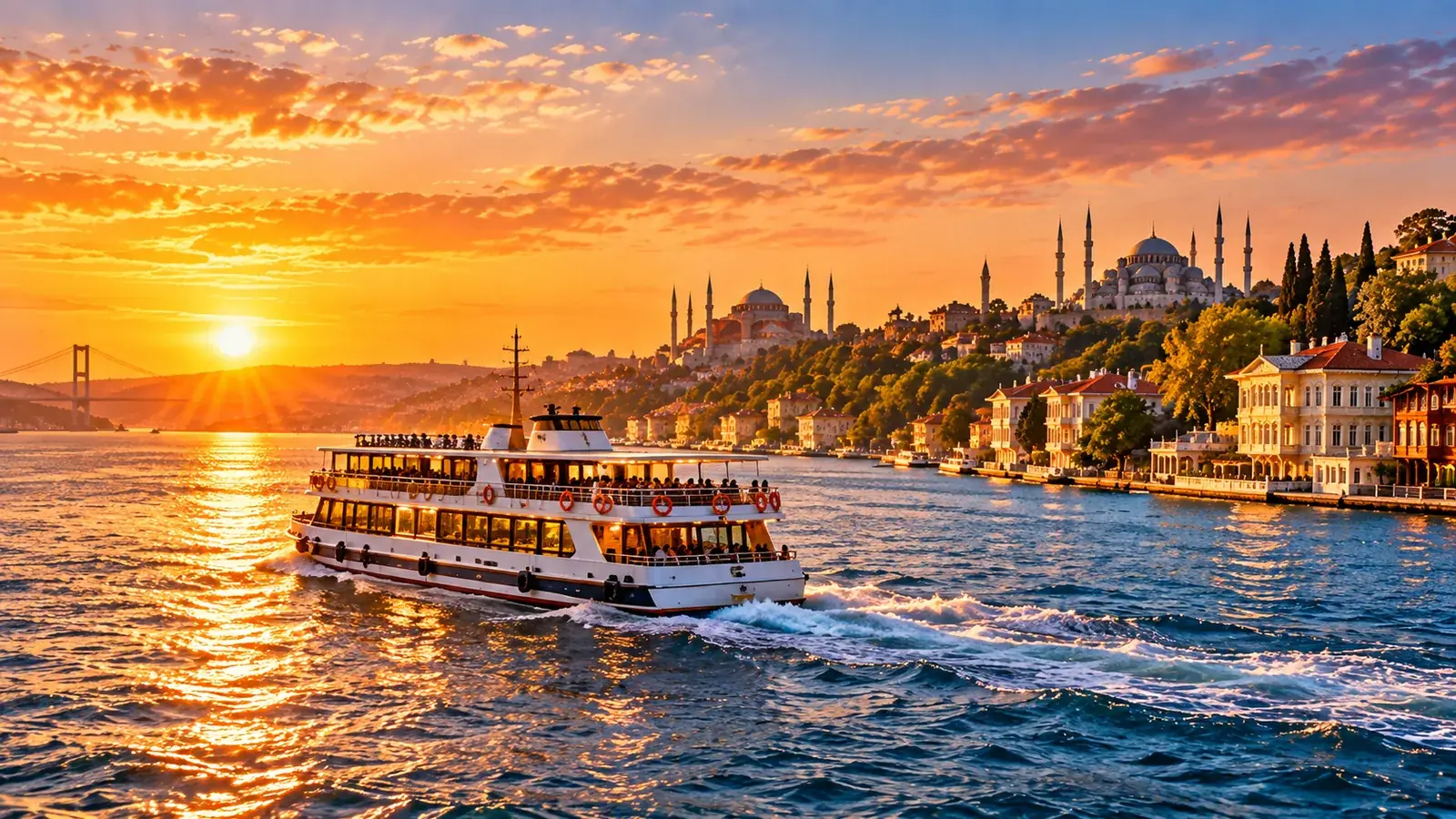
For a pure sightseeing ride, see our Best Bosphorus Cruise in Istanbul at Sunset guide. A public ferry and a dedicated cruise are not the same experience: ferries are transport first, while sightseeing cruises are designed around the view and route.
How to get around from Sultanahmet, Taksim and Kadikoy
If you stay in Sultanahmet
Walk to Hagia Sophia, Blue Mosque, Basilica Cistern and Topkapi Palace. Use T1 for Eminonu, Karakoy and Kabatas. For Kadikoy, either take T1 to Eminonu or Karakoy and continue by ferry, or reach Sirkeci and use Marmaray when you want the faster cross-Bosphorus route.
If you stay in Taksim
Use M2 for Sishane, Yenikapi and Gayrettepe. Use F1 down to Kabatas, then T1 toward Karakoy, Eminonu and Sultanahmet. For Kadikoy, travel down to Kabatas or Besiktas and use a ferry when the timetable suits you.
If you stay in Kadikoy
Use ferries for Karakoy, Eminonu, Besiktas and Kabatas. Use M4 for Sabiha Gokcen Airport, and Marmaray from Ayrilik Cesmesi when you want a fast rail crossing toward Sirkeci or Yenikapi. Staying in Kadikoy works best when you accept that crossing the Bosphorus becomes part of your daily routine.
Sultanahmet to Taksim
The simple visitor route is T1 toward Kabatas, then F1 up to Taksim. Another option is to combine T1 or walking with M2 depending on your exact starting point. With luggage, choose the route with fewer stairs and transfers rather than the one that saves a few minutes on paper.
Sultanahmet to Kadikoy
For the most enjoyable route, go to Eminonu or Karakoy and take a ferry. For a faster rail-focused trip, use Marmaray from Sirkeci toward the Asian side.
Taksim to Kadikoy
Go down to Kabatas with F1 or reach Besiktas, then take a ferry. If weather is poor or you want an all-rail journey, use M2 and Marmaray connections instead.
How public transport connects with Istanbul's airports
Istanbul Airport (IST)
The M11 is the main airport metro line. For Taksim, the common rail route is M11 to Gayrettepe and then M2 to Taksim. For Sultanahmet, several options are possible depending on your arrival time and luggage, including the direct Havaist route or rail connections. See Istanbul Airport to Sultanahmet and Istanbul Airport to Taksim.
Sabiha Gokcen Airport (SAW)
The M4 runs directly between Sabiha Gokcen Airport and Kadikoy. From Ayrilik Cesmesi you can connect to Marmaray. Havabus is also useful for Taksim and Kadikoy when luggage makes rail less convenient. See How to Get From Sabiha Gokcen Airport to Istanbul.
When to walk and when a taxi still makes sense
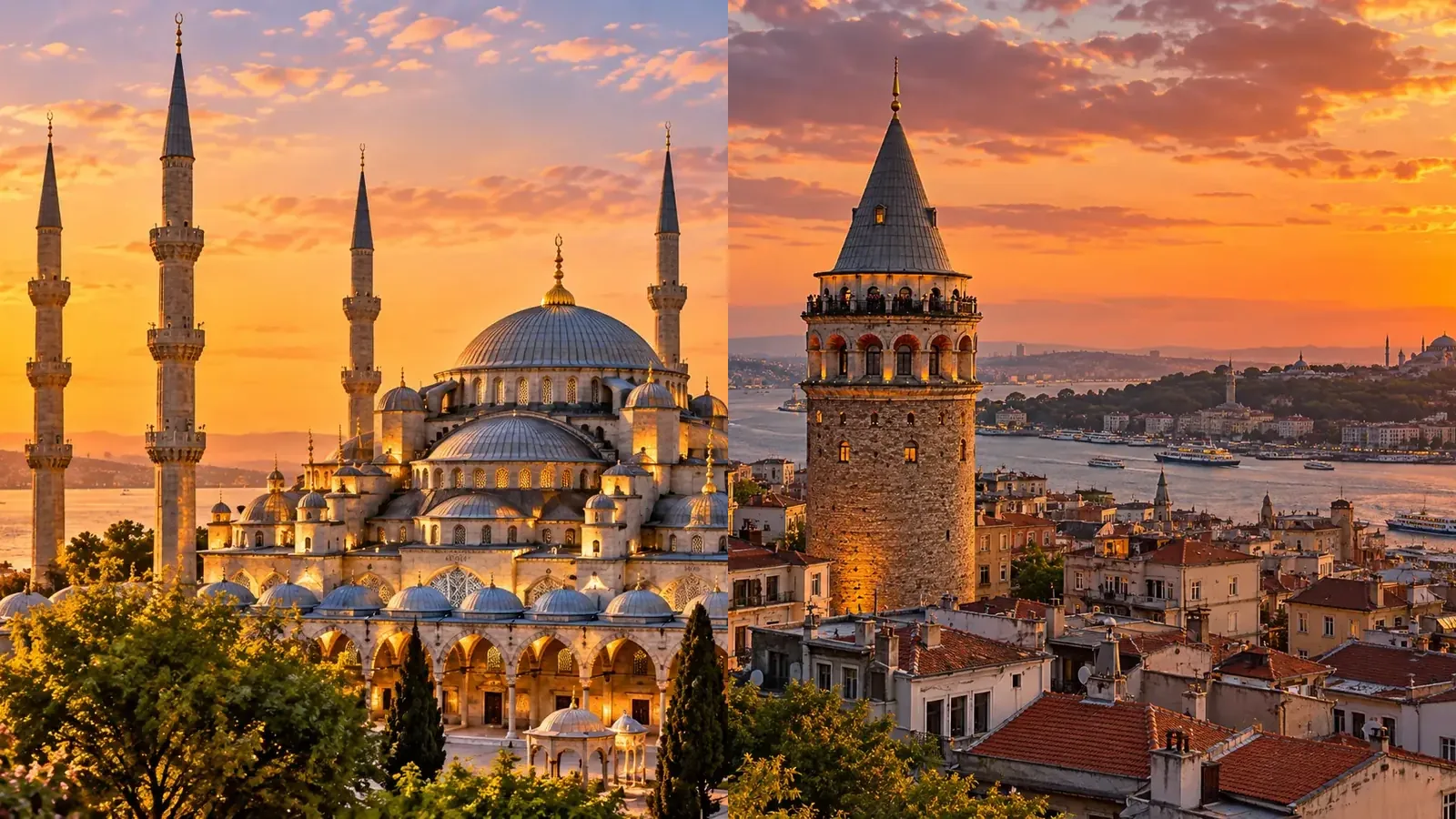
Walking is best inside compact sightseeing areas. Sultanahmet is mostly a walking day. Karakoy and Galata are also best explored on foot, although the hills are real. Kadikoy market and Moda reward slow walking more than repeated short taxi rides.
A taxi is useful when you have heavy luggage, mobility limitations, very late-night travel, bad weather or a destination that does not line up with rail or ferry routes. It can also make sense for a small group when the door-to-door convenience matters more than the cost.
Do not assume a taxi is automatically faster. A short distance on the map can become a long road journey in Istanbul traffic, while a tram or metro keeps moving.
Getting around Istanbul at night
Metro Istanbul's current Night Metro programme includes both M2 and M4. It operates on the nights connecting Friday to Saturday and Saturday to Sunday, with the published plan providing uninterrupted operation from Friday morning through Sunday midnight on participating lines.
Night service does not mean every line, entrance and connection works exactly like daytime. Check the official Night Metro page for your date. Sehir Hatlari also publishes selected late and overnight ferry services on some weekend routes, including Kadikoy-Besiktas/Karakoy services.
On other nights, or when your hotel is far from the last rail or ferry stop, use an official taxi or a pre-arranged transfer rather than building a complicated chain of late-night connections.
Common Istanbul transport mistakes
Trying to see far-apart neighbourhoods on the same half-day
Group Sultanahmet, Karakoy/Galata, Bosphorus areas and the Asian side into logical blocks. Istanbul feels much easier when you stop zigzagging across the city.
Using taxis for every short trip
A taxi can be slower than T1 or M2 when roads are busy. Use taxis for a reason, not by default.
Ignoring hills
Galata, Beyoglu and parts of the Bosphorus are steep. Use F1, M2 and T1 to save energy, especially at the end of the day.
Following an old fare screenshot
Transport fares and card rules change. Check live prices when you travel instead of budgeting from a fixed amount saved months earlier.
Assuming every ferry is a Bosphorus cruise
Public ferries are excellent, but they are scheduled transport. Choose a dedicated cruise when you want a longer sightseeing route or a sunset-focused experience.
Forgetting the final walk to your hotel
A station may look close on a map but still involve cobbles, stairs or a steep hill. Check the last 500 metres before choosing your route with luggage.
Getting around Istanbul without a car: common questions
Do I need a car in Istanbul?
No. For most visitor trips, a car creates more problems than it solves. Walking, tram, metro, Marmaray, ferries and occasional taxis cover the main sightseeing areas.
What is the best transport card for Istanbul?
Istanbulkart is the standard public transport card used across the integrated network. Current card types and fare rules can change, so check the latest information when you arrive.
Which tram is best for tourists in Istanbul?
T1 is the most useful visitor tram because it serves Sultanahmet, Sirkeci, Eminonu, Karakoy and Kabatas.
What metro line goes to Taksim?
M2 serves Taksim and also connects through Gayrettepe, which is useful for the M11 airport connection.
Is the ferry useful for normal transport?
Yes. Ferries are practical for routes between Kadikoy or Uskudar and European-side areas such as Karakoy, Eminonu and Besiktas.
How do I get from Sultanahmet to Taksim without a taxi?
A simple route is T1 to Kabatas and then the F1 funicular to Taksim. Depending on your exact starting point, M2 connections can also work.
Does Istanbul metro run after midnight?
Normal hours vary by line. The current Night Metro programme includes M2 and M4 on the nights connecting Friday-Saturday and Saturday-Sunday. Check the live official schedule for your date.
Is Istanbul easy to walk around?
Individual neighbourhoods are very walkable, but the city is too large to treat as one walking destination. Combine walking with rail and ferries, and remember that Galata and Beyoglu can be steep.
Plan your Istanbul days around the transport network
Istanbul metro, tram, funicular, Night Metro and ferry route information was reviewed on 29 September 2026. Service hours, station access, fares and ferry timetables can change, so check live official transport information for your travel dates.