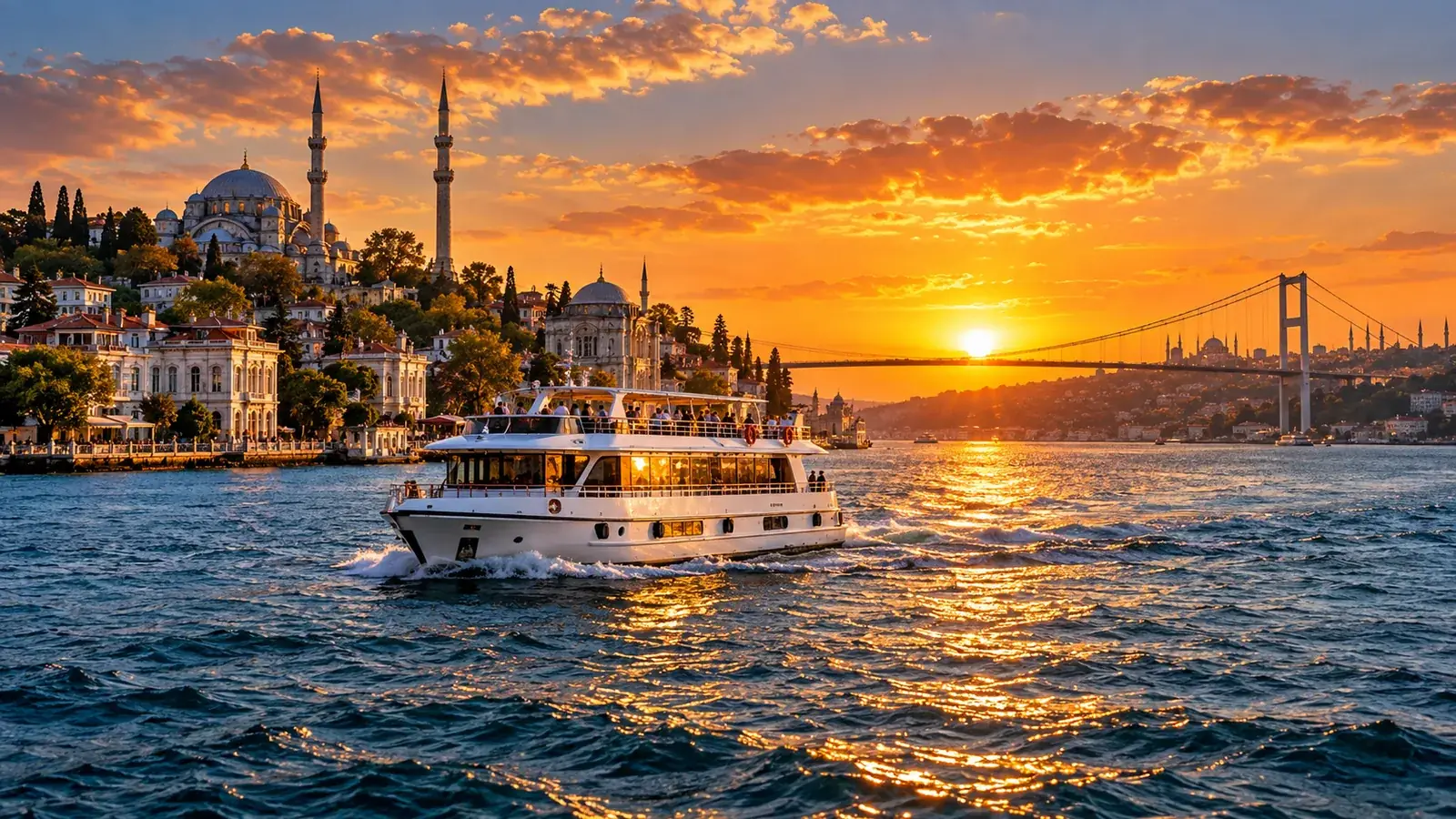
Is Turkey Expensive for Tourists?
A realistic 2026 look at what feels cheap, what feels expensive and why the answer changes so much between Istanbul, Cappadocia, archaeological sites and the coast.
Turkey is not uniformly cheap in 2026, but it can still offer good value if you know which costs are high.
Turkey can feel affordable for everyday food, public transport and simple local experiences, but expensive for major attractions, central hotels, Cappadocia balloon flights and peak-summer coastal stays. The old idea that everything in Turkey is very cheap is no longer a useful way to plan a trip.
For most visitors, the biggest surprise is the gap between local everyday prices and tourist-facing prices. You might spend very little crossing Istanbul by metro or ferry, then pay a much larger euro-priced entrance fee at a major archaeological site on the same day.
So the useful question is not simply “Is Turkey expensive?” It is which parts of your Turkey trip are expensive, and which parts still give strong value.
What feels inexpensive in Turkey — and what can feel expensive?
One trip can include both ends of the scale.
| Cost | How it often feels in 2026 | What changes the price |
|---|---|---|
| Istanbul public transport | Good value | Number of rides and transport type |
| Local meals | Budget to moderate | Neighbourhood, view, alcohol and restaurant style |
| Major museum/site tickets | Moderate to expensive | Which sites you visit and whether a pass helps |
| Central Istanbul hotels | Moderate to expensive | Season, location and room standard |
| Cappadocia cave hotels | Moderate to expensive | View, room type and balloon season |
| Hot-air balloon flight | Expensive | Demand, season, flight type and availability |
| Aegean/Mediterranean resorts | Seasonal | July/August demand, beach location and hotel type |
In late September 2026, Metro Istanbul listed the standard anonymous Istanbulkart full fare at TRY 46.20. At the same time, Turkey's official museum ticket system listed Ephesus with its Experience Museum at EUR 40 and Pamukkale/Hierapolis at EUR 30. Those two examples show why a visitor can describe Turkey as both good value and expensive without contradicting themselves.
The exchange rate also moves quickly. A price that looks cheap in Turkish lira can change in foreign-currency terms over time, and some major tourist attractions are already priced directly in euros.
Why do some travellers say Turkey is expensive now?
Usually because they are comparing today’s trip with old prices or with a different style of travel.
Old travel blogs can make current prices look shocking
Turkey has had rapid price changes in recent years. A restaurant, museum or hotel price from an old blog, video or forum post may no longer be useful. This is especially important for famous attractions, airport transfers and heavily visited districts.
Tourist areas do not represent normal local prices
Sultanahmet, Galata, the Bosphorus waterfront, famous Cappadocia terraces and prime resort streets are not good places to judge the cost of everyday life in Turkey. Location is part of what you are paying for. Walk a few streets away from the busiest visitor zone and food prices can change noticeably.
Major experiences can dominate the whole day
A Cappadocia balloon flight can cost more than several ordinary meals and local transport days combined. A private tour, paragliding flight, boat charter or luxury hammam can do the same. These are optional experiences, so they should not be used to describe the price of every day in Turkey.
Hotel prices move strongly with demand
Central Istanbul, Goreme and Uchisar in Cappadocia, and popular coastal towns such as Bodrum and Fethiye can all become significantly more expensive when demand is high. The same budget can buy a very different room in March, May, August or October.
Turkey is better described as mixed-value than simply cheap or expensive.
A traveller using public transport, local restaurants and a well-located mid-range hotel can still build a good-value trip. A traveller choosing premium hotels, famous rooftop restaurants, private transfers and several headline experiences can spend at a level much closer to other major international destinations.
- Good value
- Transit, local meals, walking areas
- Watch closely
- Hotels, tourist restaurants
- High-cost days
- Major sites, tours, balloon
- Big seasonal swing
- Coast + Cappadocia
Where does Turkey feel most expensive for tourists?
Your route matters almost as much as your travel style.
Istanbul: easy to control daily spending, but famous sights and prime locations add up
Istanbul gives you the widest price range. You can spend very little exploring neighbourhoods such as Balat, Kadikoy or Besiktas, crossing the city by public transport and eating at local restaurants. But a hotel near Sultanahmet or Galata, several major paid sights, rooftop meals and frequent taxis can make the same city expensive.
This makes Istanbul one of the easiest places to balance a budget: choose a useful transport location, mix free neighbourhoods with paid attractions and avoid treating every meal as a special-occasion meal.
Cappadocia: the balloon changes the budget more than everyday costs
Cappadocia can look expensive because many visitors include a hot-air balloon flight, a cave hotel and at least one organised tour. Current 2026 Cappadocia pricing guides commonly place standard balloon flights around EUR 120–250, although rates can move with demand and availability.
Without the balloon, an ordinary Cappadocia day can be much more manageable. The key is to treat the balloon as a separate one-off experience rather than using it to judge the cost of the whole destination.

Selcuk and Ephesus: accommodation can be reasonable, but the site ticket matters
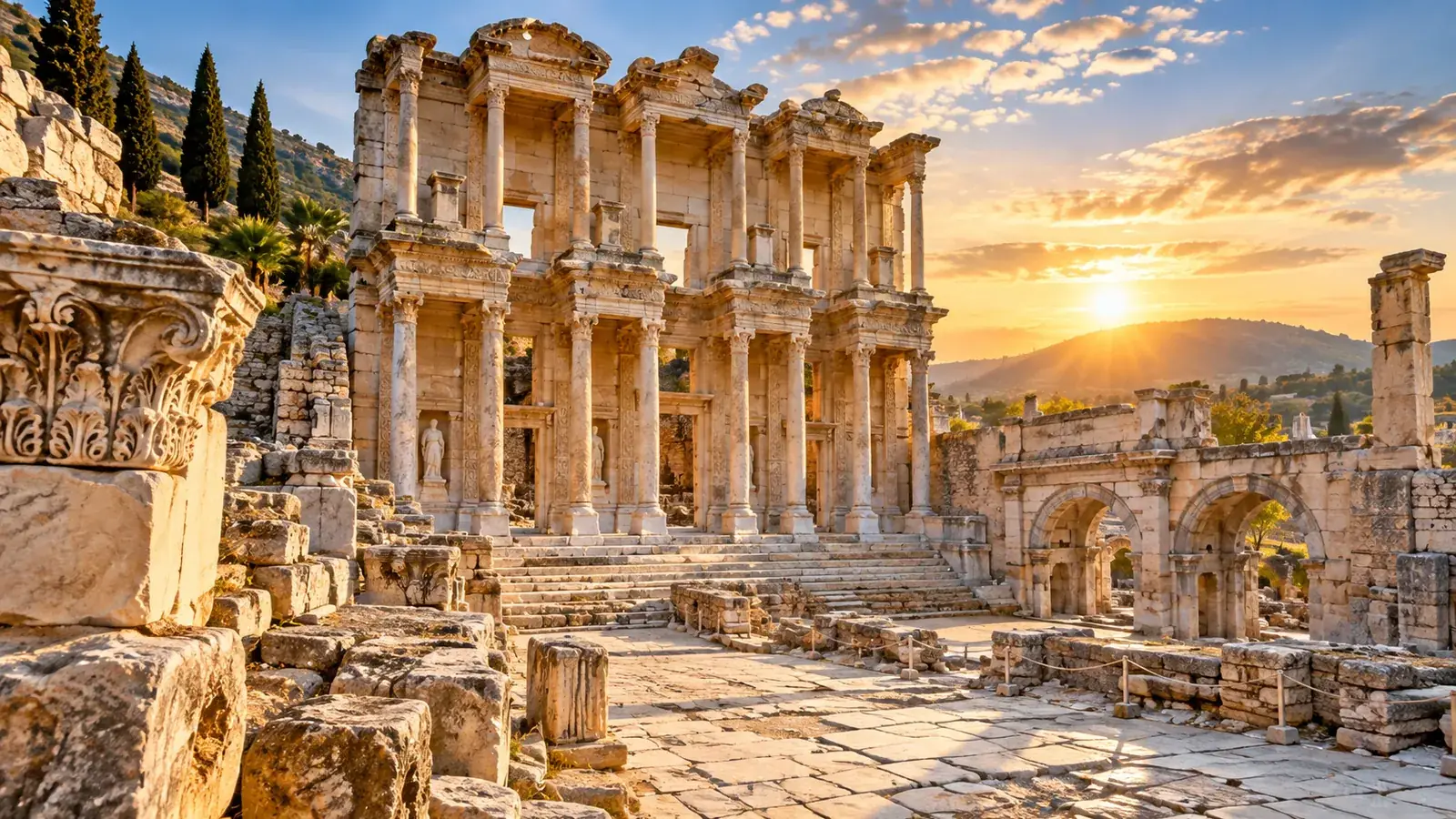
Selcuk itself can be straightforward for food and accommodation, but Ephesus is a major paid sightseeing day. The official ticket price for Ephesus and its Experience Museum was EUR 40 when checked on 28 September 2026. Add transport, a guide or extra site sections and the day can become one of the more expensive cultural days of the trip.
Pamukkale: usually a short stay, but the main attraction is not a low-cost visit
The official Pamukkale/Hierapolis ticket was EUR 30 when checked in late September 2026. Many travellers visit for one night or on a transfer route, so the total destination cost may still be manageable, but the sightseeing day itself is not especially cheap.
Bodrum, Marmaris, Fethiye and Antalya: summer is the expensive part
The coast can offer very good value in spring and autumn, particularly when hotels are not full. In July and August, popular beach locations can be much more expensive. Boat trips, beach clubs, paragliding and private transfers can also change the daily total quickly.
Which parts of a Turkey trip should you budget most carefully?
These are the categories most likely to move your total up or down.
Accommodation: often the largest repeating cost
Hotel prices vary too much by date and location for one national average to be useful. A simple room outside the busiest district can be good value, while a Bosphorus-view room, premium cave suite or beachfront resort can be expensive. Compare your exact dates before setting the rest of your budget.
Food: one of the easiest costs to control
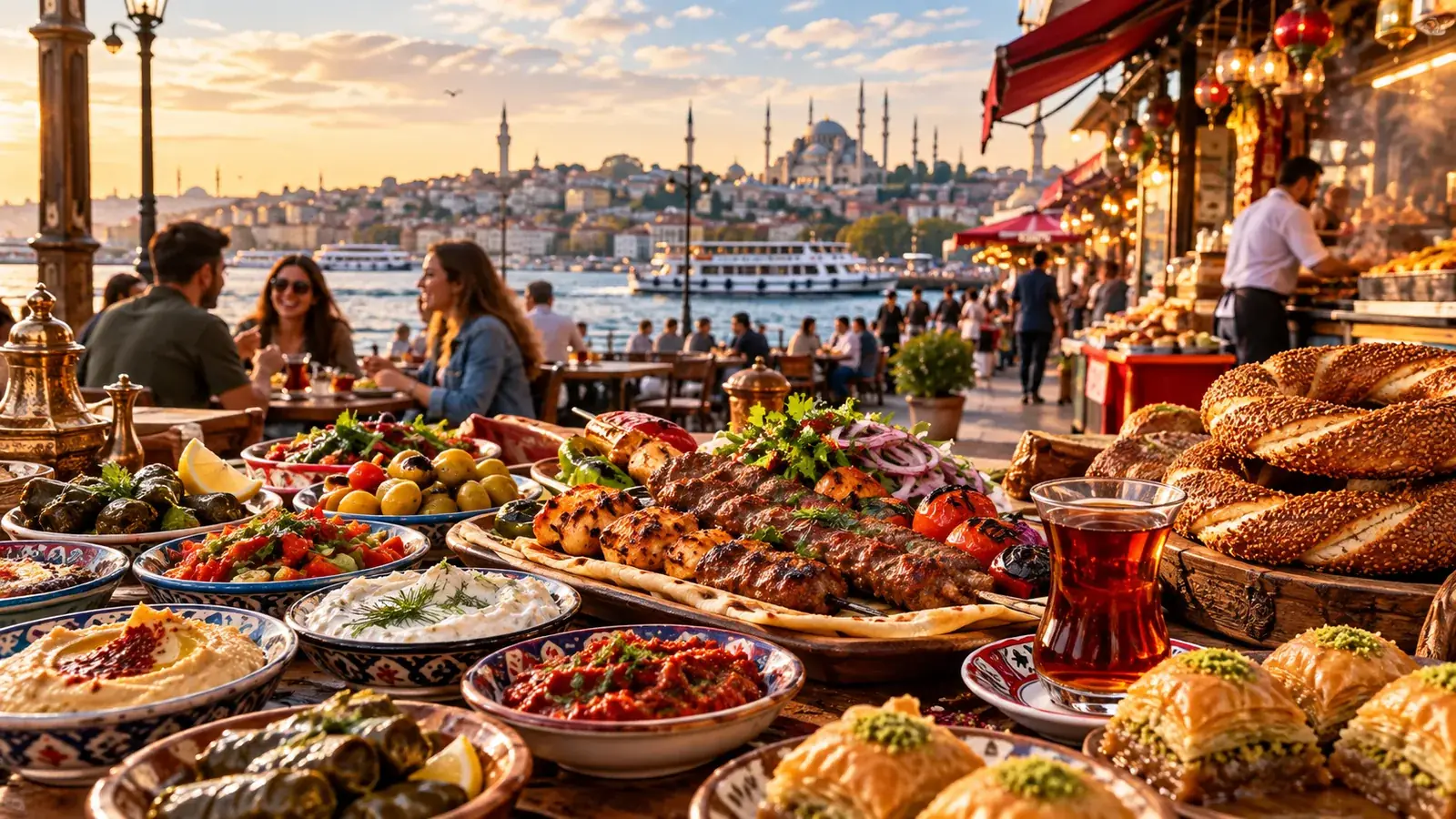
Food is where visitors have the most choice. Current Istanbul guides in September 2026 put a local esnaf lokantasi meal around TRY 250–500 and a typical mid-range sit-down meal around TRY 500–1,500 per person before drinks. Famous views, seafood, alcohol and high-profile restaurants can take the bill much higher.
You do not need to eat cheaply at every meal. A practical approach is a simple breakfast or lunch, then spend more on the dinners that matter to you.
Transport: public transport is usually the easy saving
Istanbul's public transport is one of the strongest-value parts of a city visit. Domestic flights, airport transfers and long private transfers are different: they need their own trip line. If your route changes cities every two nights, transport can become much more expensive even when each destination looks affordable on its own.
Attractions: check official prices, not old screenshots
Major museum and archaeological prices can be a meaningful part of the trip. Decide which paid sights are genuinely important to you, then mix them with neighbourhood walks, bazaars, parks, waterfront areas, beaches and viewpoints that cost little or nothing.
Tours and activities: optional, but easy to overspend on
Balloon flights, private tours, boat trips, hammams, paragliding and dinner cruises can be memorable, but you do not need one expensive activity every day. Choose the experiences that are difficult to recreate independently and keep the rest of the itinerary simpler.
Which travellers are most likely to find Turkey expensive?
Your travel habits can matter more than the country average.
- Travellers booking late in peak season. Hotel choice becomes smaller and the remaining rooms can be expensive.
- Visitors staying only in the most famous tourist districts. Prime location often comes with higher hotel and restaurant prices.
- Travellers changing destination constantly. More airports, transfers and travel days increase the total quickly.
- People doing a premium activity every day. Several tours, a balloon, hammam, cruise and private guide can overwhelm the normal daily budget.
- Solo travellers who want private rooms. Couples can split one room; solo travellers carry the full accommodation cost themselves.
- Families booking larger rooms and private transfers. Per-person costs can be reasonable, but the total family bill naturally looks much larger.
If you are trying to decide what daily amount fits your style, see our Turkey travel budget per day 2026. For a complete holiday total, use the 10-day Turkey trip cost guide.
How to make Turkey better value without turning the trip into a budget exercise
- Spend on location where it saves transport. A hotel near the tram, metro or ferry can be better value than a cheaper room requiring taxis.
- Choose your expensive experiences before you arrive. Decide whether the balloon, paragliding, private tour or premium hammam is a priority.
- Mix local meals with special meals. You can eat well without paying tourist-district prices three times a day.
- Use public transport in Istanbul. It keeps one of the world's largest cities surprisingly manageable day to day.
- Travel in shoulder season when possible. Spring and early autumn can reduce hotel pressure while still offering good sightseeing weather in many regions.
- Stay longer in fewer places. Cutting one unnecessary destination can remove a domestic flight or long transfer.
- Check official attraction prices close to travel. Do not build a 2026 budget from a 2023 or 2024 ticket price.
- Keep a 10–15% buffer. Prices and exchange rates move, and a small cushion makes the trip easier.
For the practical payment side of that budget, see how much cash to carry in Turkey, including card use, ATMs and cash-only situations.
Mistakes that make Turkey feel more expensive than it needs to
Most are planning problems rather than unavoidable costs.
- Using old prices. Turkey's prices have changed too much for old screenshots and old forum totals to be reliable.
- Comparing a balloon day with a normal day. The balloon is an expensive one-off, not a normal daily cost.
- Eating every meal beside a major attraction. Move away from the busiest visitor streets for better choice and value.
- Taking taxis when useful public transport exists. Istanbul is the clearest example.
- Booking the coast at the last minute in midsummer. High demand can remove the good-value hotel options first.
- Trying to visit too many regions. Long-distance transport becomes a hidden part of the budget.
- Assuming “Turkey is cheap” means you do not need a budget. High-cost attractions and experiences can still create a surprisingly large total.
Is Turkey expensive? Common traveller questions
Short answers using current 2026 planning context.
Is Turkey cheap for tourists in 2026?
Not across the board. Public transport and local food can still be good value, but major attractions, central hotels, premium tours and famous experiences can be expensive. Plan by category rather than assuming the whole country is cheap.
Is Istanbul expensive for tourists?
Istanbul can be expensive if you stay in prime tourist areas, visit several paid attractions and use taxis frequently. It can also be good value because public transport is inexpensive and many neighbourhoods, markets and waterfront areas can be explored cheaply.
Is Cappadocia expensive?
Cappadocia becomes expensive mainly when you add a hot-air balloon flight, premium cave hotel and organised tours. An ordinary day without the balloon can cost much less.
Is food expensive in Turkey?
Food prices vary enormously. Local restaurants and simple meals can be reasonably priced, while rooftop restaurants, seafood, alcohol and famous tourist locations can be much more expensive.
Are tourist attractions expensive in Turkey?
Some major sites are. In late September 2026, the official price for Ephesus with its Experience Museum was EUR 40 and Pamukkale/Hierapolis was EUR 30. Mix major paid sights with free neighbourhoods and landscapes when planning your budget.
Is Turkey expensive for couples?
Couples can often get better value per person because they share one hotel room and some transfer costs. Food, attraction and activity tickets still apply per person.
Is Turkey expensive for families?
The total bill can be high because several people need flights, meals and tickets, but shared rooms and private transfers can sometimes work well per person. Family room availability is important, especially in peak season.
How much should I budget per day in Turkey?
As a broad 2026 planning range, around EUR 60–100 per person can suit budget travel and EUR 110–180 can suit many mid-range trips, including accommodation. Expensive activities and long-distance transfers should be added separately.
Turn “expensive or not?” into a budget that fits your trip.
Use these guides to set your daily allowance, total trip cost and route.