How Much Cash Should I Take to Turkey?
A practical 2026 guide to cash, cards, ATMs, Turkish lira, markets, taxis, tipping and how much physical money you really need to carry.
Most travellers do not need to carry their whole Turkey budget in cash.
For most visitors, carrying the equivalent of about EUR 50–100 per adult in Turkish lira is a sensible everyday cash buffer. Cards are widely accepted in cities and tourist areas, so use cash mainly for small shops, markets, some taxis, tips and places where a foreign card does not work.
If you are travelling as a couple, a shared cash reserve of roughly EUR 100–150 equivalent in TRY is usually enough for normal city days. Carry more only when you know you will be spending time in small towns, local markets, rural areas or on a road trip where card acceptance can be less predictable.
The best approach is simple: carry a moderate amount of Turkish lira, keep two cards separately, and withdraw more from a bank ATM when needed. Do not carry your full 7, 10 or 14-day holiday budget in cash.
How much physical cash should you carry in Turkey?
These are working cash amounts, not total travel budgets.
| Travel situation | Sensible cash to have available | Why |
|---|---|---|
| Istanbul city day | EUR 40–80 equivalent in TRY | Small food purchases, markets, tips, taxi backup |
| Cappadocia sightseeing day | EUR 50–100 equivalent in TRY | Small shops, tips, local purchases, card backup |
| Couple travelling together | EUR 100–150 equivalent in TRY shared | Enough for normal cash-only needs without carrying too much |
| Small-town / rural day | EUR 100–150 equivalent in TRY | More businesses may prefer cash |
| Road trip day | EUR 100–150 equivalent in TRY plus cards | Parking, small stops, local cafes and unexpected cash-only payments |
| Family | EUR 100–200 equivalent split between adults | More small purchases, meals and transport needs |
These figures are deliberately shown as euro-equivalent planning amounts because the Turkish lira exchange rate can move quickly. When you travel, convert the amount into TRY using the current rate rather than relying on an old lira figure from a blog or screenshot.
If you know most of your hotels, tours and major tickets are prepaid, you may need less cash. If you enjoy markets, local restaurants, taxis and small independent businesses, carry a little more.
Where should you use cash, and where is a card usually easier?
Turkey is not a cash-only destination, but a completely cashless trip can still be inconvenient.
Cards are usually easiest for hotels, larger restaurants and major shops
In Istanbul, Antalya, Bodrum, Fethiye, Cappadocia and other major visitor areas, credit and debit cards are widely used. Hotels, larger restaurants, supermarkets, shopping centres and organised tourism businesses commonly accept cards.
Australian Government Smartraveller guidance for Türkiye says most services accept credit cards and that EFTPOS and ATMs are widely available. It also notes that some taxis may not accept foreign credit cards, which is a good example of why a small cash reserve still matters.
Cash is useful for markets, small purchases and backup
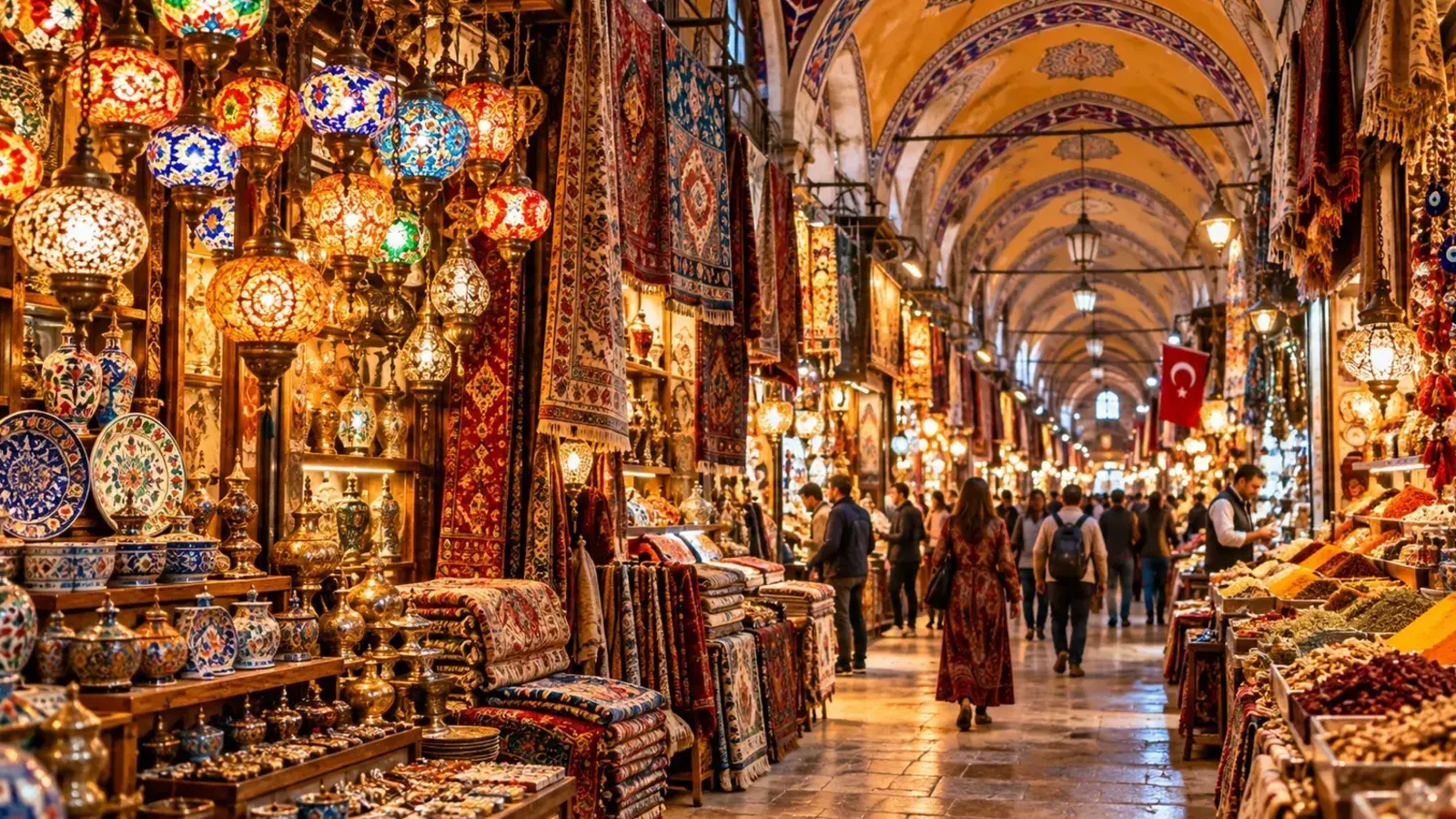
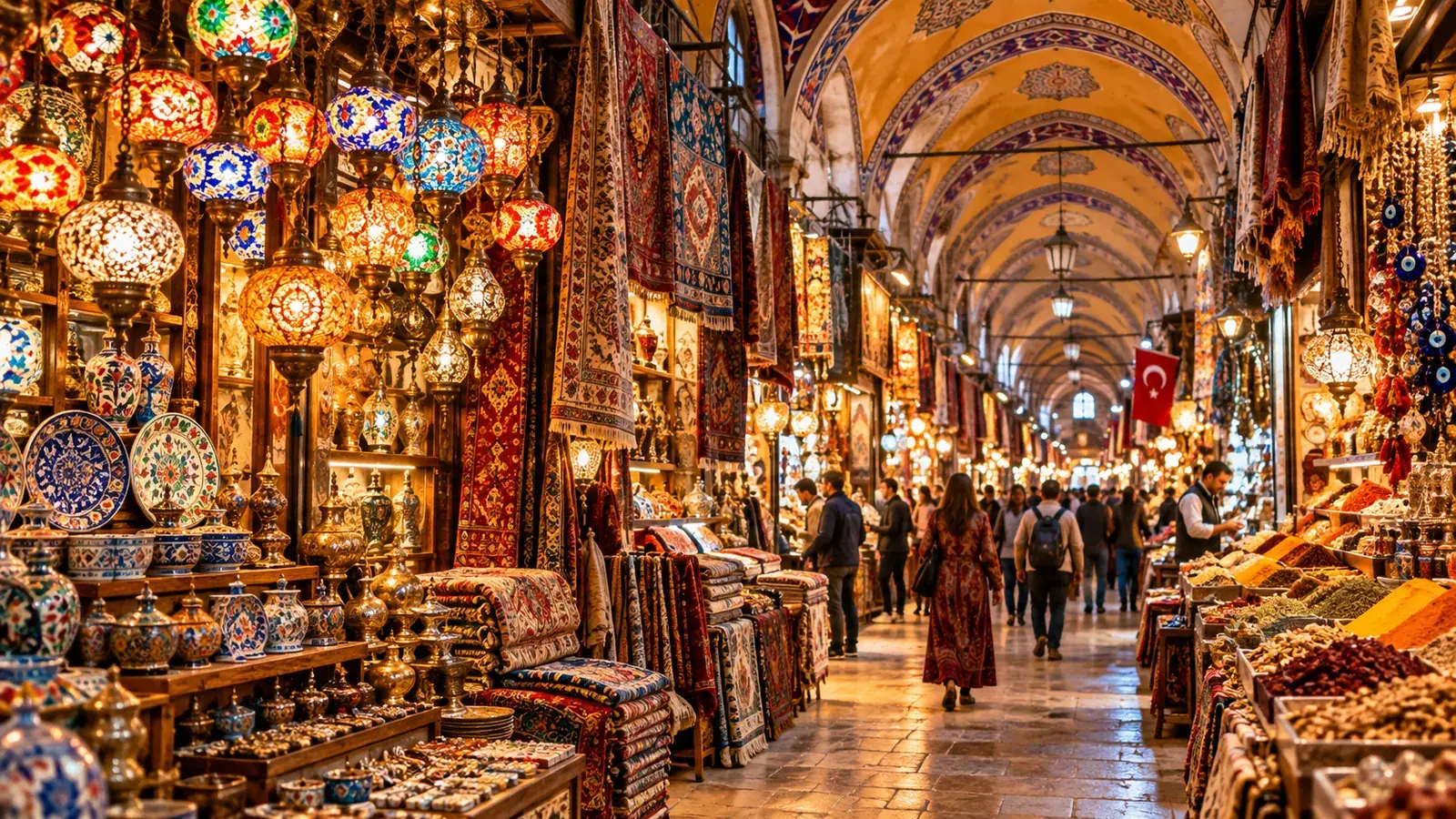
Cash becomes more useful at local markets, small family businesses, street-food stops, tea houses, small kiosks and some taxis. The U.S. State Department also notes that cash may be preferred in places such as Istanbul's Grand Bazaar even though cards are widely used across the country.
Keep cash for tips even when the main bill goes on your card
For restaurants, hotel staff, guides, drivers and other service situations, a small cash tip can be easier and more direct than trying to add a tip to a card transaction. You do not need to carry large notes for this; a useful mix of smaller Turkish lira notes is more practical.
Use three layers: card, cash and backup card.
Your main card handles most hotel, restaurant and shopping payments. A modest amount of Turkish lira handles small or cash-only spending. A second card, stored separately, protects you if the first card is lost, blocked or rejected.
- Main payment
- Card
- Everyday backup
- TRY cash
- Emergency backup
- Second card
- Avoid
- Carrying full trip budget
How much cash do you need in Istanbul, Cappadocia and the coast?
Card acceptance is strong in tourist areas, but your cash needs still change by destination.
Istanbul: cards work well, but keep cash for markets and taxi backup
Istanbul is the easiest place to rely mainly on cards. Hotels, larger restaurants, chain stores, shopping centres and many attractions accept card payments. You can keep your physical cash reserve smaller if most of your day is in central neighbourhoods.
Carry cash if you plan to shop in bazaars, buy small snacks, use independent stalls, leave tips or take taxis. If you are moving around the city by public transport, keep your transport payment method separate from your general spending cash so you do not accidentally spend it.

Cappadocia: take a little more cash than you would in central Istanbul
Goreme, Uchisar and Urgup are very tourism-oriented, so hotels, restaurants and larger activity companies normally accept cards. However, small shops, local purchases, tips and some transport situations can still be easier with cash.
If your balloon flight, airport transfer or day tour is already paid online, you do not need to carry the value of those activities in cash. Keep your cash reserve for the smaller parts of the day instead.

Selcuk, Ephesus and Pamukkale: separate official tickets from local spending
Major attraction tickets and larger tourism businesses may accept cards, but small cafes, local transport and minor purchases around Selcuk or Pamukkale can still be easier with lira. A moderate cash reserve is enough; you do not need to carry your complete sightseeing budget in notes.
Bodrum, Marmaris, Fethiye and Antalya: card-friendly in resorts, less predictable away from centres
Main resort zones are generally card-friendly. If you hire a car, visit smaller beaches, stop in villages or spend time away from the main tourist centre, increase your cash reserve for parking, small cafes, local markets and unexpected cash-only transactions.
Should you take Turkish lira, euros or US dollars?
Use Turkish lira for normal everyday spending.
The official currency is the Turkish lira (TRY). Some tourism businesses may quote prices in euros or another foreign currency, especially for hotels, tours or activities, but that does not mean you should carry your whole trip budget in euros.
A practical approach is to use TRY for everyday purchases and keep your home-currency card account as the main source of funds. If you already carry a small amount of euros or US dollars as emergency backup, keep it separate and treat it as backup rather than daily spending money.
Do not convert your whole holiday budget before you leave
Because exchange rates move, converting a large amount in advance can leave you carrying unnecessary cash and expose you to loss or theft. Most travellers are better served by arriving with a modest amount of lira or withdrawing a modest amount after arrival, then topping up only when needed.
How should you withdraw cash in Turkey?
Use established bank ATMs and read the currency screen carefully.
Choose Turkish lira, not your home currency
Türkiye İş Bankası's guidance for international visitors says its ATMs accept major international card networks and advises foreign-card users to choose to be charged in Turkish lira when the machine offers a home-currency conversion. This avoids the ATM's dynamic currency conversion rate and lets your card issuer handle the exchange instead.
Check both the ATM fee and your own bank's fee
Your home bank may charge a foreign transaction or cash-withdrawal fee, and an ATM operator may also show a fee before you confirm. Read the screen before accepting the withdrawal. If the fee looks unreasonable, cancel and try another bank ATM.
Withdraw enough for a few days, not your whole trip
If your bank charges a fixed fee per withdrawal, taking slightly larger amounts less often can reduce repeated fees. But there is no need to take out your entire 10-day budget. A few days of cash is easier to protect and easier to replace if something goes wrong.
Use ATMs attached to banks or in busy locations
A bank branch ATM or a machine in a busy shopping or transport area is easier to deal with if your card is retained or the transaction fails. Always shield your PIN and put the cash away before walking off.
Keep a separate small-note wallet for tips and everyday cash spending.
Large notes are not always convenient for a small tip or inexpensive purchase. When you withdraw or receive change, keep some smaller Turkish lira notes separate for cafes, local shops, hotel staff, guides and taxi rounding.
For sit-down restaurants and tourism services, tipping is voluntary and should reflect the service you receive. In many situations, cash is the simplest way to tip because it can be handed directly to the person who helped you.
If you are paying a restaurant bill by card, you can still leave a small cash tip separately. This is another reason a traveller who uses cards for almost everything may still want a modest cash reserve.
How much cash should you take for 10 days in Turkey?
You still do not need 10 days of spending money in your wallet.
For a typical 10-day trip covering places such as Istanbul, Cappadocia and Ephesus, most travellers can use cards for the majority of major spending. Carry roughly EUR 50–100 equivalent per adult in TRY, then top up only when your cash reserve gets low.
A couple could start with or carry around EUR 100–150 equivalent in TRY between them, especially if hotels and tours are prepaid. If several days involve markets, road travel or smaller towns, increase the reserve. If the trip is almost entirely central Istanbul with card-paid hotels and restaurants, you may need less.
For the complete holiday total rather than just physical cash, use our 10-day Turkey trip cost guide. For normal day-to-day spending, see the Turkey travel budget per day 2026.
Money mistakes to avoid in Turkey
Most problems come from carrying too much, relying on only one payment method or accepting poor conversion options.
- Carrying the entire holiday budget in cash. It is unnecessary in most tourist areas and creates a bigger loss risk.
- Travelling with one bank card only. A second card stored separately is one of the simplest forms of backup.
- Accepting ATM conversion into your home currency. When offered the choice, use TRY and let your card issuer handle the conversion.
- Having only large notes. Keep some smaller notes for tips and small purchases.
- Assuming every taxi accepts your foreign card. Keep enough cash to cover a taxi if card payment fails.
- Using old lira amounts from travel blogs. Exchange rates and prices change quickly, so use current rates close to your travel date.
- Keeping all cash and cards in the same wallet. Split them so one loss does not remove every way to pay.
Cash and cards in Turkey: common traveller questions
Simple answers for planning your money before you go.
How much cash should I carry per day in Turkey?
You do not need to carry a full day's total budget in cash. For most travellers, having around EUR 50–100 equivalent in Turkish lira available per adult is enough as a working cash reserve because many larger purchases can be paid by card.
Can I travel around Turkey using only a card?
You can pay by card for much of a city-based trip, but going completely cashless is not ideal. Small businesses, markets, some taxis, tips and occasional local transport or rural stops can still require or prefer cash.
Should I take euros or Turkish lira to Turkey?
Turkish lira is the official currency and is the most practical cash for everyday spending. Some tourism businesses quote in euros, but you do not need to carry your whole travel budget in euros.
Should I withdraw Turkish lira from an ATM?
ATMs are widely available and can be a practical way to obtain lira. Use an established bank ATM, check the fee before confirming and choose to be charged in TRY rather than accepting a home-currency conversion.
Do taxis in Turkey take cards?
Many do, especially in larger cities, but not every taxi reliably accepts a foreign card. Keep enough Turkish lira to cover a taxi ride if card payment is unavailable.
Do I need cash in Cappadocia?
Yes, a small amount is useful. Hotels, restaurants and established tour companies commonly accept cards, while cash is handy for small shops, tips, local purchases and payment backup.
How much cash should a couple carry in Turkey?
For normal city and tourist-area travel, around EUR 100–150 equivalent in Turkish lira shared between two adults is a sensible working reserve. Carry more on rural, market-heavy or road-trip days.
Is it better to exchange money or use an ATM in Turkey?
Both can work. The best choice depends on your bank's foreign transaction and withdrawal fees and the exchange office rate available to you. If using an ATM, check all fees and choose TRY rather than home-currency conversion.
Build the rest of your Turkey money plan.
Physical cash is only one part of the budget. Use these guides for daily spending, total trip cost and overall value.